MLB · transaction
Arizona Pivots to Littell After Nationals Cut Ties; Bullpen Depth Play Signals Midseason Tweaks
The Diamondbacks signed veteran right-hander Zack Littell days after Washington released him, a low-cost gamble that reshapes late-inning leverage in a pennant race.
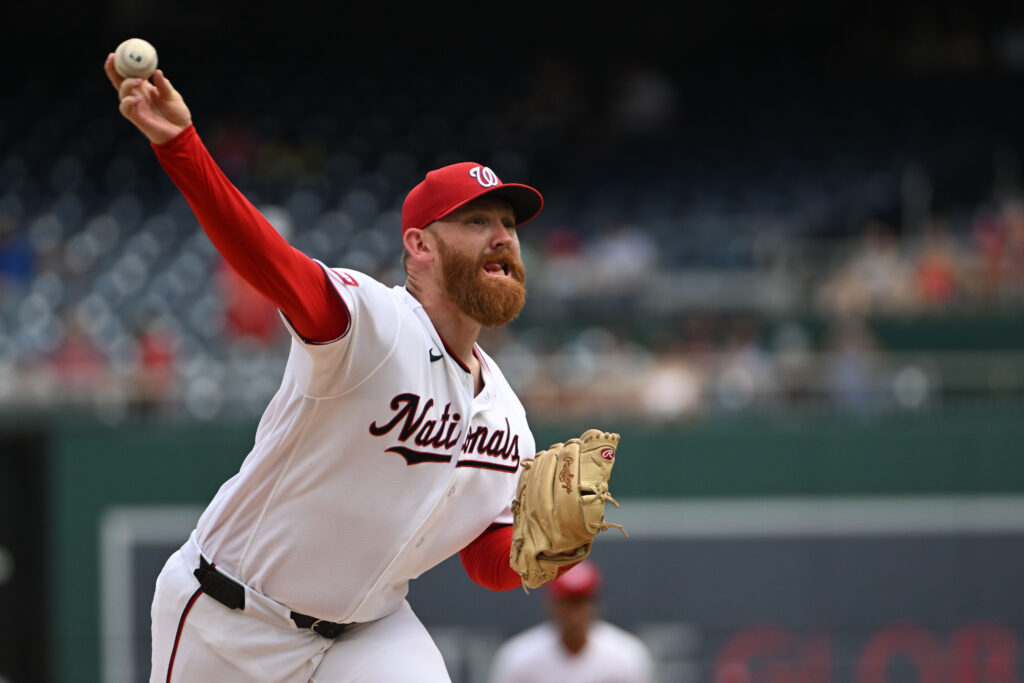
The Diamondbacks agreed to terms with right-hander Zack Littell on August 7, just two days after the Nationals released him from a one-year, $7 million contract. The move costs Arizona minimal immediate capital—Littell's deal with Washington had been structured as $3 million base with a $4 million buyout of a $12 million mutual option, so his market reset comes with no salary commitment from his new team. For a franchise in contention, the timing and mechanics matter: Littell becomes depth, not a savior, but depth available mid-August is a luxury most clubs don't pursue unless they see an opening.
Littell's release from Washington suggests the Nationals weighed his on-field output against the contract's remainder and chose to eat the buyout. That's a negative signal—teams don't jettison mid-market relievers without cause—but it also means Arizona is buying low on volatility. In 2026, Littell has appeared in 38 games for the Nationals with a 4.26 ERA and 8.1 K/9, solid but unspectacular middle-relief work. His strikeout rate has dipped from his career arc (he peaked at 10.2 K/9 in 2023), a sign of either declining stuff or misuse. The Diamondbacks front office, however, may view his acquisition as a depth restock ahead of September callups and October leverage—a hedge against injury or inefficiency in their established bullpen roles.
The signing also reflects Arizona's assessment of the National League West race as wide open enough to justify mid-season roster churning. If the Diamondbacks were sellers or mathematically eliminated, they'd have no reason to add bodies with uncertain health or form. Instead, they're treating August 7 as a moment to add optionality. Littell's $12 million mutual option in Washington indicates he was once valued as a core setup piece; the Nationals' decision to release him doesn't erase that pedigree entirely, only questions whether he's performed to it recently.
From a prop-betting standpoint, Littell's arrival is a minor interference rather than a signal flip. He will eat innings in middle relief and lower-leverage spots, competing for usage with Arizona's existing bullpen hierarchy. The Diamondbacks' bullpen ERA, win probability-added per appearance, and late-inning team totals are already priced into current lines; Littell's addition at the margins won't materially shift those curves unless he pitches dramatically better for Arizona than he did in Washington, and he has fewer than 50 games to prove it before October. Monitor whether he gains high-leverage work (saves or hold situations) in his first week; if he does, his strikeout prop could offer value if the market hasn't adjusted his usage upward. If he remains a mop-up reliever, his K line carries too much variance to warrant play.
MLB Intelligence — Baseball intelligence beyond the box score. Open MLB Intelligence →