MLB · injury
Soroka Returns to Anchor D-Backs Rotation as Closer Sewald Exits
Arizona swaps its closer for two pitching reinforcements, trading volatility in high-leverage innings for rotation depth ahead of the playoff push.
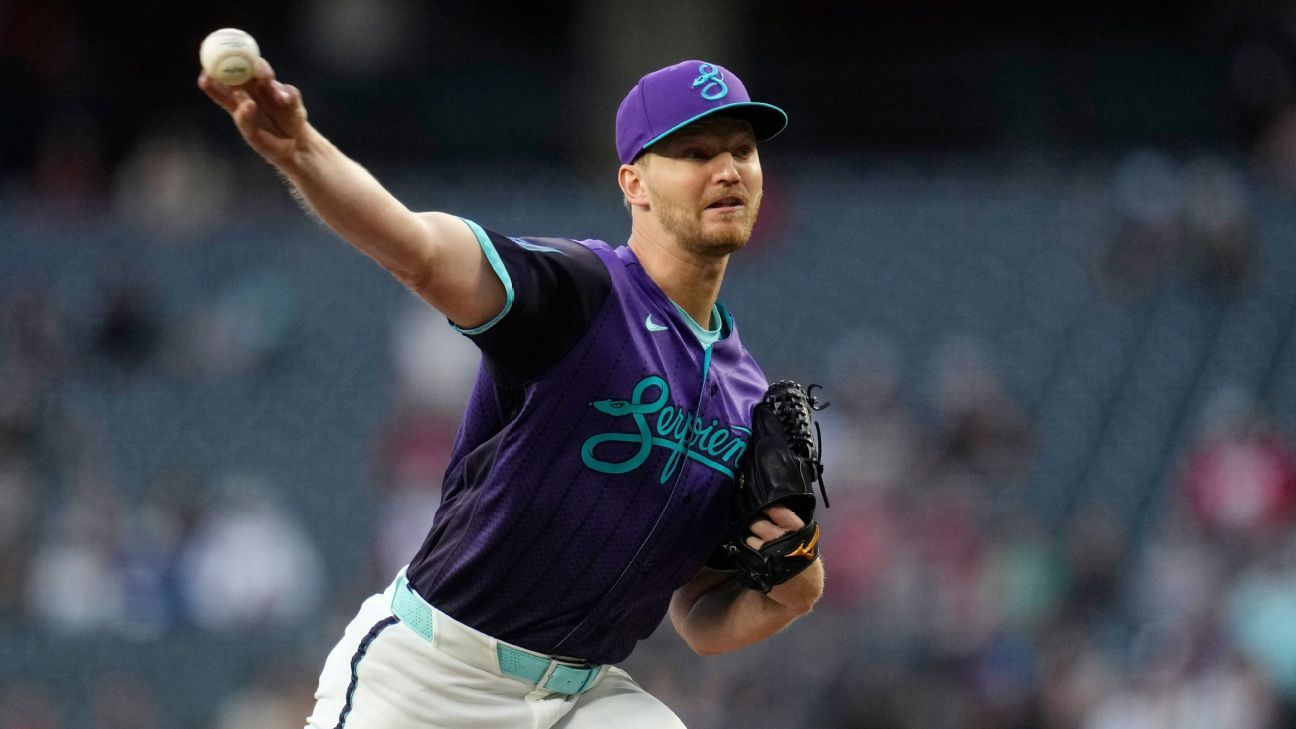
The Arizona Diamondbacks made a quiet but consequential move Monday, activating Michael Soroka from the injured list and signing Zack Littell to a one-year deal while designated Paul Sewald for assignment and demoting Kade Strowd. The shift signals a tactical recalibration: Arizona is choosing to deepen its rotation at the expense of closer stability as the team positions for the final stretch.
Soroka, sidelined nearly two months with left hip discomfort, brings immediate credibility back to the rotation. Before the injury, the 29-year-old right-hander posted an 8-3 record with a 3.07 ERA—among the team's most reliable arms. He was scheduled to start Monday against Colorado, meaning Arizona gets an instant high-quality starter back into the mix. Littell, released by Washington last week after posting a 7-8 record and 4.97 ERA across 23 appearances, will slot into relief. The 36-year-old veteran has been around; Arizona sees enough residual value to gamble on him as a depth option.
Sewald's removal is the real tell. The 36-year-old closer had been serviceable for much of the season with 24 saves, but his recent form was untenable: 11 earned runs in 4⅔ innings over his last seven appearances, including two blown saves. A 6.23 ERA in the final month of August, when every save matters, is a luxury a contender cannot carry into October. Rather than ride out a struggling closer, Arizona chose to bail out and reallocate that high-leverage slot.
From a betting lens, this restructuring has two immediate implications. First, Soroka's return to the mound lowers Arizona's ERA trajectory in the near term—his 3.07 mark before injury sits comfortably below the team's seasonal average. Expect team total unders to see modest support if Soroka stabilizes the backend of the rotation; a competent starter eating 6-7 innings reduces bullpen exposure and total-inning volatility. Second, the departure of Sewald removes a late-inning liability that had been inflating final scores through inherited runners and extra pitches. If Arizona replaces that closer role with a more stable arm, game totals should compress slightly over the next 10-14 days as the market digests the roster shift and bullpen performance normalizes.
The closing role now falls to whomever Arizona designates as the ninth-inning option—likely an internal candidate whose track record is cleaner than Sewald's recent carnage. That transition period typically produces line movement as books repriced late-inning risk. Monitor Arizona totals closely for the next two weeks; the initial opening numbers may not yet reflect the bullpen composition change.
MLB Intelligence — Baseball intelligence beyond the box score. Open MLB Intelligence →