Nationals-Pirates Over 10 Finds Real Teeth in Back-to-Back Run Surges
By Ty Whitney ·
Both teams have scored at least six runs in three consecutive games, and Friday's 14-run opening contest sets the table for renewed offensive momentum in a holiday matchup.
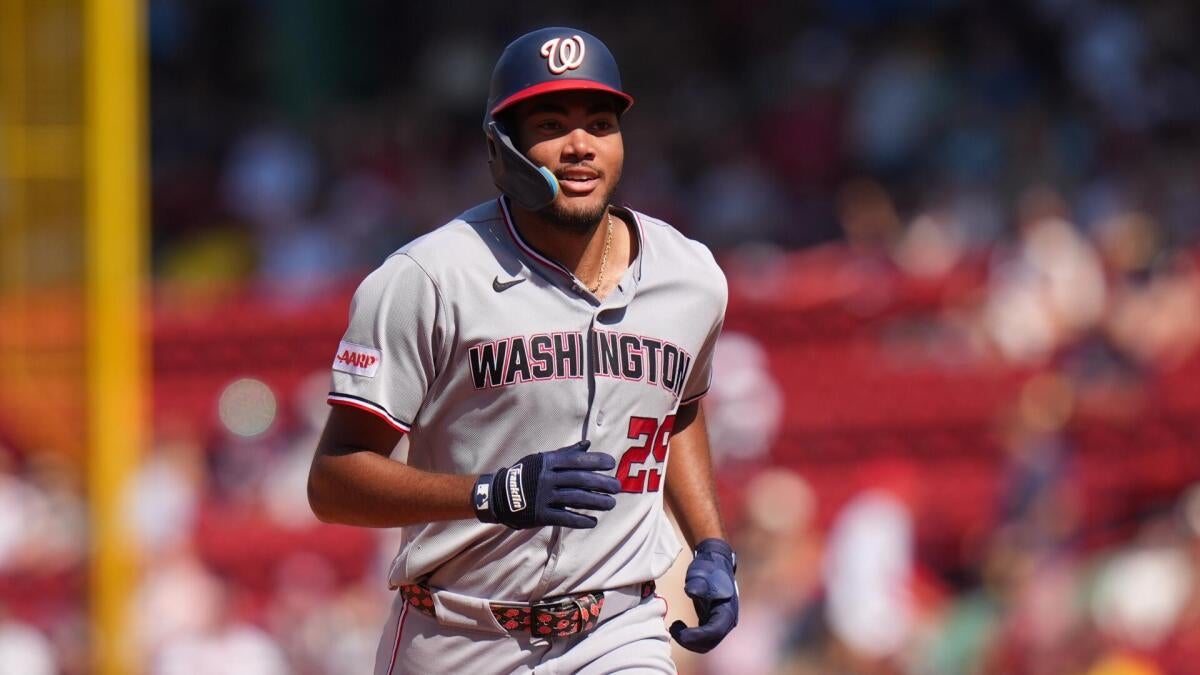
The Washington Nationals and Pittsburgh Pirates square off on Independence Day with both clubs sitting at exactly .500 in the wild-card hunt—Pittsburgh at 44-45, Washington at 46-43—and an over/under line that looks vulnerable to high-volume scoring patterns neither team has abandoned. The matchup features Braxton Ashcraft (8-3, 3.33 ERA) for Pittsburgh against Zack Littell (7-6, 5.29 ERA) for Washington, and the opening frame Friday already produced 14 combined runs, a signal that both lineups are operating in rhythm.
The underlying mechanics suggest the books may have underpriced the total at 10 runs. Washington's offense has cleared eight runs in three straight games—a sustained offensive window, not a single outlier. Pittsburgh has matched the pace on the other end, posting six or more in its last three games as well. When both teams operate simultaneously in above-baseline run-scoring modes, the sum tends to compress upward. Littell's 5.29 ERA and Ashcraft's league-average stuff (8.3 K/9, 3.33 ERA) offer limited ceiling on run prevention; neither profile as dominant shutdown options in a game where both bats are live.
The 10-run line assumes regression to a mean that both organizations have moved away from over the last week. Washington's three-game scoring floor of eight runs sits 1.5 games above the team's season average per game. Pittsburgh's six-run baseline sits closer to its 4.8-run seasonal mean, but the consecutive nature of both streaks—rather than isolated spikes—suggests operational momentum. The model's 10.6-run projection accounts for this calibration and positions the over as the value target.
From a betting architecture perspective, the over at 10 sits approximately 60 basis points below the model's central estimate, creating a durable edge that doesn't rely on single-game variance or a Friday blowout hangover. If both teams sustain even 70 percent of their recent scoring pace—not a stretch given how hot both lineups remain—the total clears comfortably. The matchup structure (early first pitch, holiday context, bullpen fatigue across baseball at this point in July) introduces additional friction on run prevention; neither team can count on fresh relievers digging them out of offensive deficits. The Nationals' recent offensive consistency and the Pirates' willingness to score repeatedly in succession create a two-way supply line for runs that the current pricing doesn't fully acknowledge.