MLB · transaction
Red Sox Swap Minor League Depth for Harris as Infield Depth Calculus Shifts
Boston trades organizational lottery ticket to acquire a proven utility bat just as the division race tightens in July.
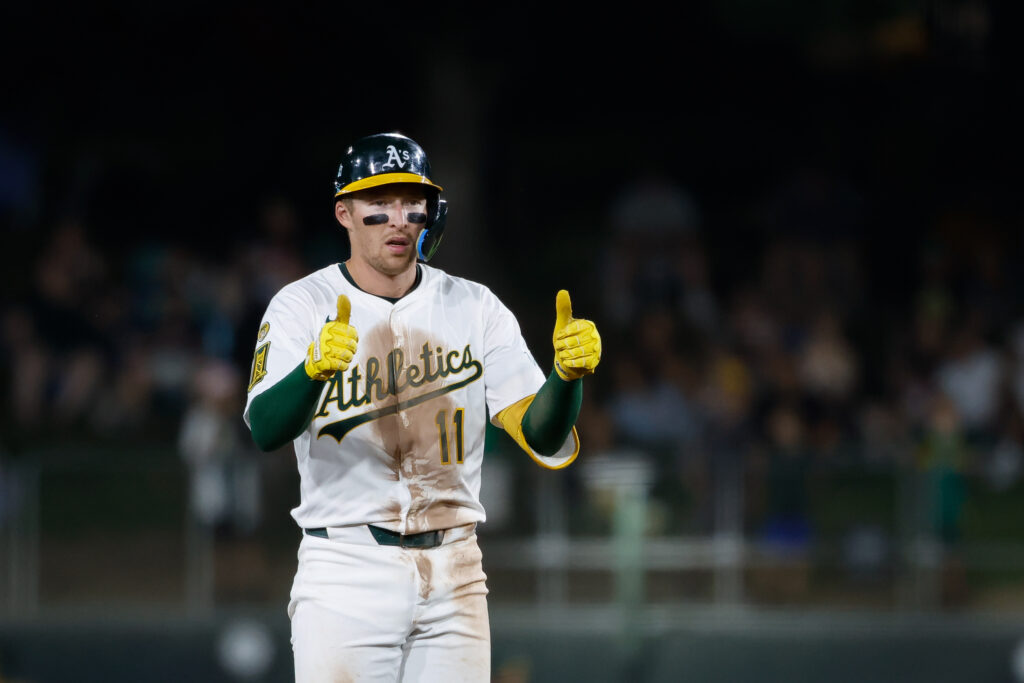
The Red Sox have acquired infielder Brett Harris from the Athletics in exchange for minor league right-hander Ben Hansen, per MassLive. Harris was designated for assignment by Oakland over the weekend after the A's brought in reliever Hayden Juenger from Toronto. The move signals Boston's willingness to spend organizational capital on roster depth as the AL East race enters its second half with playoff positioning still unsettled.
Harris represents a specific organizational bet: a utility infielder with enough major league service time and track record to provide emergency flexibility without requiring a prospect of consequence. The Red Sox are not betting on a breakout; they're insuring against injury. In a division where every lineup slot matters and bench depth determines series outcomes, Harris gives Boston a second defensive option at multiple infield positions rather than relying on organizational depth that may not be major-league ready. The A's, meanwhile, were in cost-cutting mode and saw no path to Harris's at-bats in their rotation, making the designation and subsequent trade a clean separation.
Ben Hansen, the return piece, carries the kind of lottery-ticket profile that rebuilding franchises value more than playoff contenders do. A minor league pitcher with upside but no guaranteed timeline to impact, Hansen likely never factored into Boston's 2026 rotation calculus. Oakland's infrastructure rebuilds through volume in the farm system; another young arm fits that profile better than a depth utility guy does.
From a betting lens, Harris's arrival has minimal direct impact on Red Sox game totals or individual player prop lines—he is not a volume bet driver. However, his presence modestly strengthens Boston's bench construction, which can show up in aggregate team offensive variance. Teams with better utility depth tend to maintain more consistent run production across lineup injuries and platoon situations. If Harris enters the lineup with any frequency, he does so in lower-leverage spots; the Red Sox are not expecting him to carry games, only to stabilize them. That marginal stabilization—fewer days where the offense drains to organizational minimum rather than adequate baseline—can shade team totals slightly over the course of a month. The effect is small enough that current lines already incorporate general bench quality, but it's worth tracking whether Boston's bench-dependent games (multiple starters out) show improved efficiency over the next 4-6 weeks as Harris acclimates. Oddsmakers have already priced team totals based on earlier-season Red Sox performance; Harris doesn't move that calculation materially unless injury cascades force him into everyday duty.