MLB
Red Sox-A's Trade Signals Roster Desperation, Not Depth
Boston swaps a minor-league pitcher for a sub-replacement infielder at a critical juncture in a crowded AL East race.
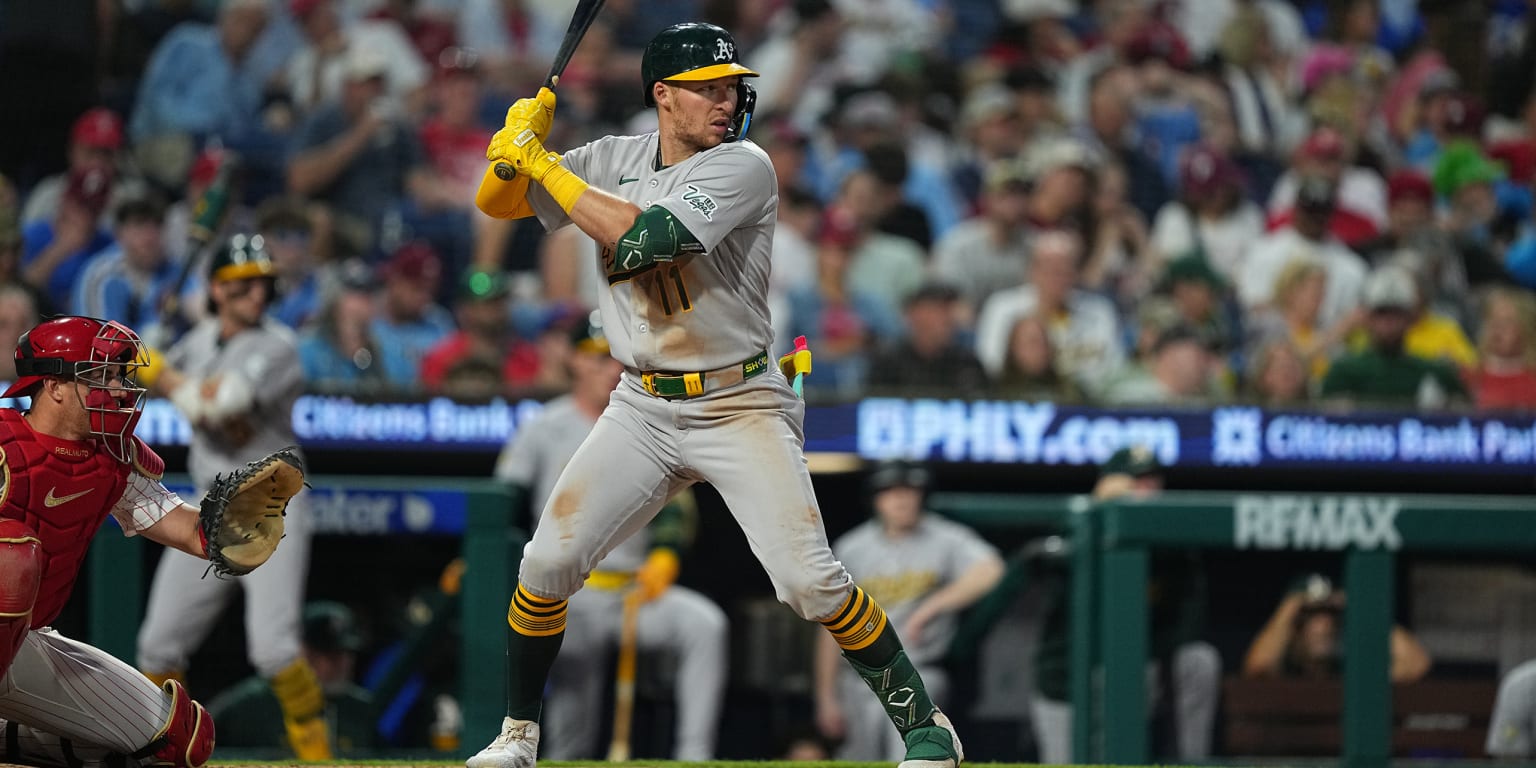
The Red Sox and A's completed a minor trade on Tuesday, with Boston acquiring infielder Brett Harris in exchange for right-handed pitcher Ben Hansen. Harris, designated for assignment by Oakland last Saturday, arrives in Boston as a career .194/.307/.289 hitter with three home runs across 73 games. It's the kind of transaction that typically signals organizational search mode rather than deliberate roster construction.
Harris has cycled through Oakland's system since his 2021 seventh-round draft selection from Gonzaga, appearing in parts of the last three seasons without establishing himself as an everyday option. At 28, his proximity to service-time eligibility but distance from productive performance suggests the A's viewed him as organizational deadweight. For Boston, acquiring a light-hitting utilityman in early July—with the trade deadline just over a month away—reflects either faith that Harris fits a specific tactical need or, more likely, roster flexibility for future moves. Hansen, the Red Sox's 2024 20th-round pick out of BYU, departs with a 5.63 ERA in 102 1/3 minor-league innings, making him expendable depth.
The Red Sox sit in a competitive AL East with the Yankees and Orioles, yet they're trading for a player whose offensive profile poses no threat to league-average production and buying low on a pitcher who has not yet demonstrated professional-level command. This is roster rebalancing by subtraction—clearing a roster spot or AA depth slot without surrendering meaningful prospect capital. The trade itself carries minimal impact on Boston's immediate playoff positioning or any major-league lineup decisions.
From a prop-betting perspective, Harris's arrival does not materially shift any Red Sox team totals, run lines, or individual hitter props. Boston's offense carries no dependence on a backup infielder with a career on-base percentage below .310. Hansen's departure from the system removes a statistical afterthought in minor-league pitching. Any lineup adjustments to accommodate Harris would likely push him into a reserve role against same-handed pitching, a usage profile that generates single-digit PA and proposition availability too sparse for meaningful edge. The market has already priced Boston's full-roster offensive capacity; marginal bench depth does not adjust those lines.
Watch instead for whether Boston uses the freed roster spot to acquire or call up a hitter with actual impact potential before August 3. This trade is housekeeping, not positioning.