MLB · injury
Giants' 14-Man IL Crunch Signals Deeper Depth Crisis Than a Waiver Claim Solves
San Francisco traded roster flexibility for injury relief, leaving the infield vulnerable when games matter most.
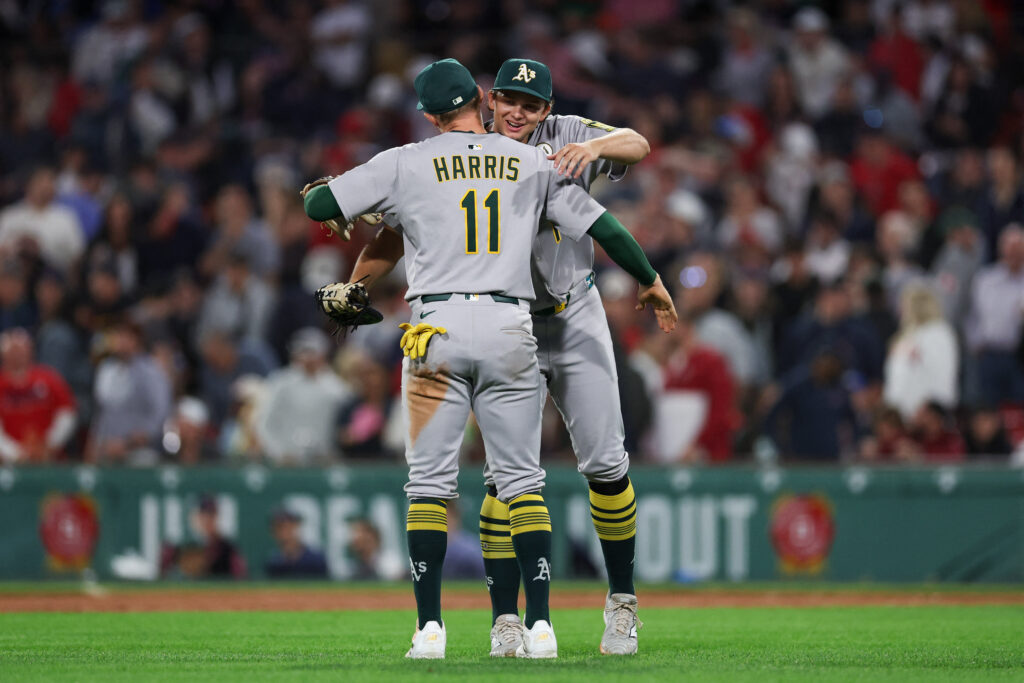
The Giants claimed infielder Brett Harris off waivers from Boston on Wednesday and immediately optioned him to Triple-A—a move that, on its face, looks like roster housekeeping. Harris cleared the path for righty Jedixson Paez's addition to the active roster after Boston designated him for assignment two days prior. But the real story isn't Harris. It's Keaton Winn's shift to the 60-day injured list, which pushed San Francisco's IL count to 14 bodies and exposed how thin the rotation has become with September closing in.
Winn's placement marks a threshold moment for the Giants' season. A starting pitcher forced to miss the final month in a potential postseason chase signals either a grave health setback or a strategic surrender of the stretch run. Either way, the organization is admitting it cannot rely on him, and a 14-man IL roster isn't an outlier—it's a structural problem. The club had 40-man roster space available; they didn't need to waive Harris to make room. They moved Winn because his absence became permanent enough to justify the 60-day designation, freeing up a slot for Paez without sacrificing depth. That the Giants could execute this maneuver cleanly says less about roster genius and more about how much damage has already been absorbed.
For betting purposes, this move carries both immediate and secondary implications. Paez's promotion suggests the Giants view him as rotation-critical for the next four-to-five weeks, the window that determines wild-card positioning. If Paez falters or gets injured, the rotation thins again—suddenly San Francisco's starting pitcher pool becomes a liability in totals and moneyline decisions. More pressingly, Harris's optioning to Triple-A means the Giants aren't replacing Winn's absence with depth; they're kicking the problem down. The infield now operates with less redundancy. If a position player goes down—shortstop, second base, third—San Francisco's bench gets thinner and the team's ability to absorb injury narrows further.
The IL saturation also affects how aggressively the Giants can play down the stretch. Teams carrying 14 injured players tend to be cautious with remaining healthy contributors, reducing late-inning win-probability decisions and limiting aggressive baserunning. The roster composition shifts from elastic to brittle. That's a subtle but measurable shift in game texture. Giants team totals should reflect this—not as an overnight collapse signal, but as a durability discount. A team running on fumes plays tighter, more conservative baseball, and tight baseball tends to produce lower-scoring outcomes. The margin for error shrinks.
With four weeks remaining, any further injury to the rotation or position player core could force San Francisco into deadline-style desperation. The Harris waiver claim and Winn IL move are rational in isolation but read as triage when examined together. The Giants are managing scarcity, not abundance, and that posture historically correlates with unders gaining value as the season contracts.