MLB · transaction
Red Sox Bet on Tracy and Breslow's Four-Year Partnership to End Postseason Drought
Boston locks up its manager and front-office chief through 2030, signaling conviction in a roster built to contend now and beyond.
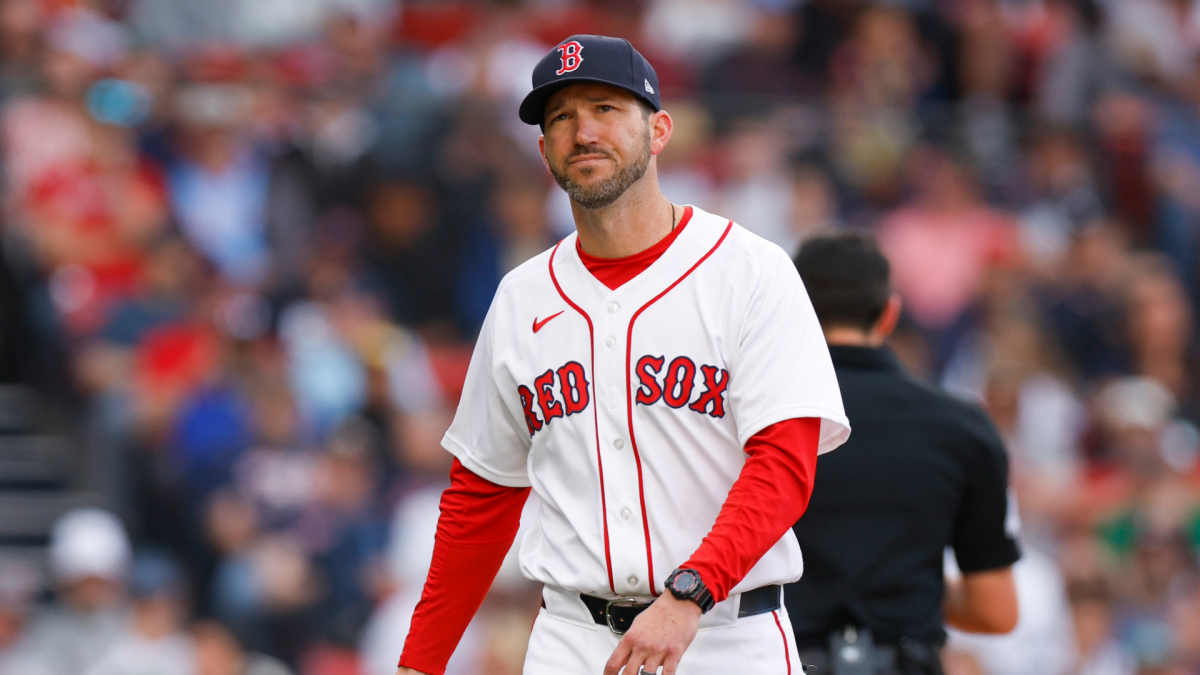
The Boston Red Sox removed the interim tag from Chad Tracy on Tuesday and handed him a three-year contract through 2029, with a club option in 2030. In the same breath, the organization exercised its 2029 and 2030 options on chief baseball officer Craig Breslow. The timing—two days after clinching a postseason berth—amounts to a public statement: this front-office duo has earned the trust to chart the next four years of Red Sox baseball.
Tracey inherits a franchise that looked broken at the All-Star break. When he took over in April after Alex Cora's dismissal, Boston was 10-17. The team has won 74 of its last 92 games, the second-best pace in the American League. More tellingly, Breslow's fingerprints are all over the roster that produced that turnaround. Willson Contreras and Sonny Gray, both midseason acquisitions, are lock votes for MVP and Cy Young consideration. Payton Tolle, the organization's second draft pick under Breslow's watch, has been a revelation at the back end of the rotation. Crochet was pulled in via trade last season and extended; Anthony locked up for the future. This is not a one-year rental constructed by an interim regime—it is a coherent build, and the Red Sox are betting it can sustain.
The contract architecture matters. Tracy gets three guaranteed years; Breslow gets four. That 12-month gap—through 2030—mirrors the industry standard for keeping front office and field manager aligned through at least one full turnover cycle. Ownership is not hedging. The Red Sox are 84-72 and will face the Yankees in the Wild Card Series for the second straight year; they lost that series last October in three games at Yankee Stadium. A deeper October run this year would validate the Breslow-Tracy continuity bet. A failure would make the long-term deals look premature. But Boston's willingness to lock both men in simultaneously—before the postseason even begins—tells you the organization sees something durable in the roster construction, not just a lucky month.
For bettors, the framing matters less than the signal. When front offices make long-term commitments to both roster-building (Breslow) and in-game execution (Tracy) without waiting for a playoff outcome, they are typically operating with conviction about competitive window. That conviction translates to offseason spending habits, deadline aggression, and risk tolerance in player development. The Red Sox just declared their 2026-2030 window open. Expect them to trade with urgency if they fall short this October, not retreat. That behavior—mid-market aggression in a competitive season—tends to push team totals and win totals higher than books initially price. Boston's over on next season's win total (assuming they make the postseason this year) will be a market-beater play; the organization's commitment to continued spending and roster tinkering will outpace public expectations for decline.
Tracey, 41, earned this through years inside the Boston organization, first as a minor-league manager at the Triple-A level since 2022. He was not an external hire forced into a rebuild. He was the internal asset promoted when crisis demanded it, then validated by results. That stability in leadership—no surprises, no ego clashes—is the unsexy ingredient that compounds roster strength. Breslow had to answer for his job security at 10-17 in April. He stayed, the roster corrected, and now both men are tied to the outcome through 2030. The bet is not on this year's Wild Card Series. It is on Boston's commitment to contention, which just got a lot more expensive to reverse.