Oakland's Pitching Gamble: Juenger Trade Signals Desperation Over Depth
By Ty Whitney ·
The Athletics' acquisition of a DFA'd reliever exposes a rotation already stretched thin and lacking internal options.
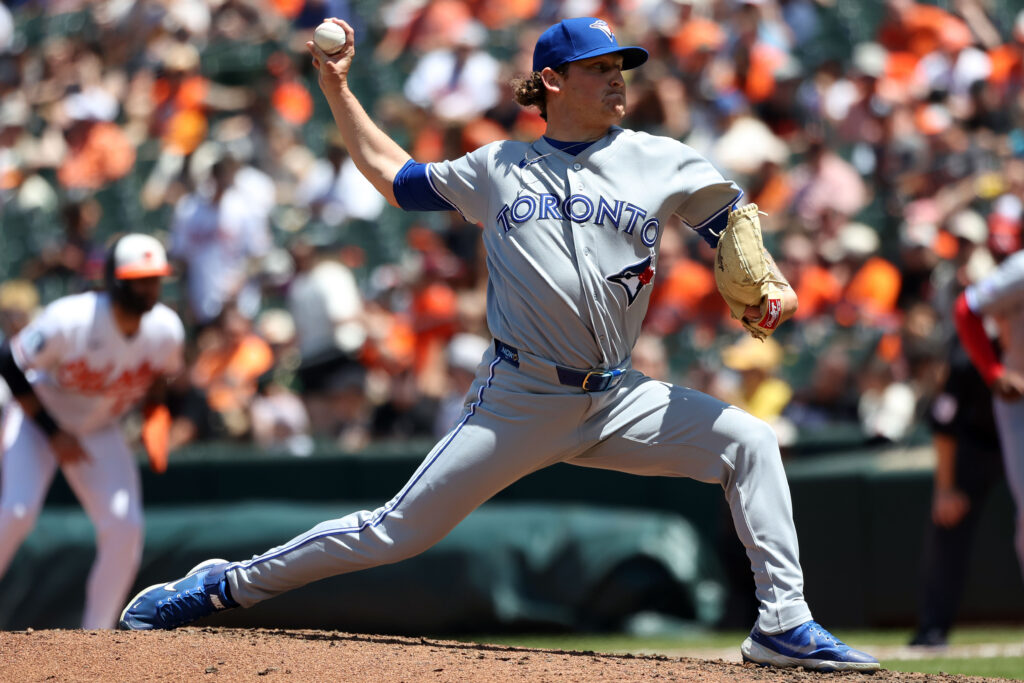
The Athletics acquired right-hander Hayden Juenger from Toronto on Saturday, sending minor league catcher Owen Carapellotti the other direction. Oakland designated infielder Brett Harris for assignment to open a 40-man roster spot, a move that underscores just how constrained the club's pitching depth has become.
Juenger arrived in Oakland fresh off a designation for assignment by the Blue Jays when Shane Bieber returned from injury. That context matters: Toronto, a contender in the AL East, chose to cut him loose rather than option him. The move tells you something unflattering about Juenger's current market value—he wasn't wanted by a team that can afford to carry redundancy. Oakland is now banking on internal development or a redemption arc from a pitcher already deemed marginal by his previous organization.
The real story here is what the trade reveals about Oakland's roster construction. The Athletics are in the early innings of a rebuild, yet they're scrounging for depth pitching instead of developing it internally or acquiring it at reasonable cost. That's a sign the farm system isn't producing enough MLB-ready arms, and the big-league pen is either injured, ineffective, or already allocated to the rotation. When a team trades for a DFA'd reliever—not a prospect, not a cost-controlled starter, but a pitcher another club already gave up on—it typically means the cupboard is bare.
For bettors tracking Oakland's pitching health, this trade is a yellow flag on any game-to-game reliability. The presence of Juenger on the roster suggests the Athletics lack confidence in their depth relievers to handle high-leverage spots. That usually manifests in bullpen usage that leans heavily on a smaller pool of trusted arms, which creates fatigue and volatility in game outcomes. If Oakland's closer or primary setup man is overworked by the All-Star break, their ability to hold leads tightens considerably—a direct lever on totals and spreads in July and August.
The flip side: desperation moves sometimes unlock value. If Juenger pitches well in low-leverage situations and gains trust, he could eat innings cheaply and stabilize the pen. But history suggests that's the exception. Most DFA'd pitchers end up in the minors or off rosters entirely within weeks. The bet here isn't on Juenger—it's on Oakland's bullpen volatility widening as the season deepens and injuries inevitably compound.