NHL · transaction
Spence on the Block: Ottawa's Defensive Math Forces Hard Choices Before RFA Deadline
The Senators have one month to decide whether Jordan Spence fits their cap future, and early trade feelers suggest they're already weighing his exit.
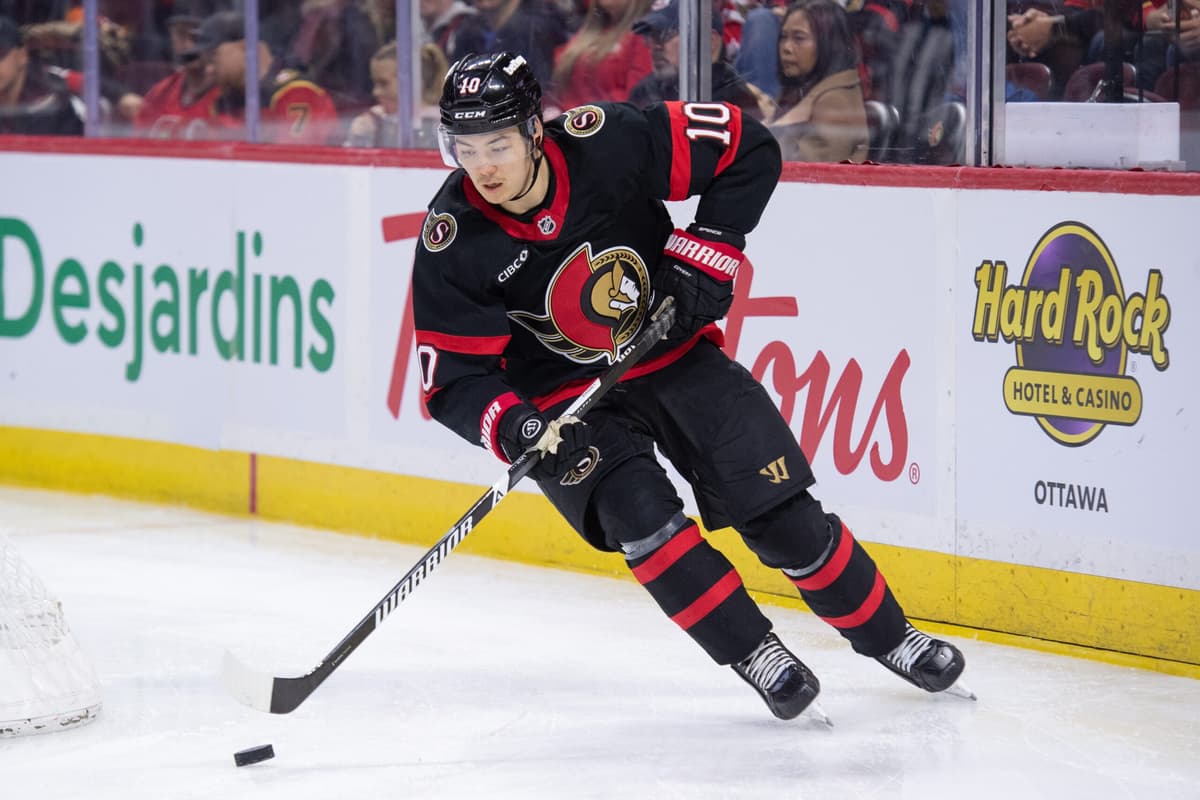
The Ottawa Senators are quietly testing the market on defenseman Jordan Spence ahead of the July 1 RFA deadline, per reporting from Bruce Garrioch of the Ottawa Citizen. Steve Staios, the team's president of hockey operations and general manager, has begun gauging league interest in the 25-year-old right-shot blueliner—a move that signals the organization views him as tradeable despite his solid first season in Canada's capital.
Spence arrived in Ottawa last summer as a mid-tier acquisition from Los Angeles (the Senators gave up a third-round 2025 pick and a sixth-round 2026 pick), and he delivered the kind of floor-raising defensive contribution the franchise needed. Playing 18:44 per game across 75 appearances, he registered 31 points while establishing himself as a dependable penalty-killer and third-pair anchor. That production doesn't move markets, but it represents the kind of depth-piece consistency teams pay for at the deadline. The problem isn't what Spence delivered—it's what Ottawa already has, and what's coming.
The right side of Ottawa's blue line is congested. Artem Zub remains the team's established top-four cornerstone (though he enters the final year of his deal, complicating long-term planning), and prospect Carter Yakemchuk is poised to graduate from junior elite status to full-time NHLer imminently. With $16.9 million in cap space and a roster needing reinforcement up the middle and on the wings, Spence represents moveable salary—not expendable talent, but a piece Staios can monetize. The RFA process compounds the timing: if Ottawa qualifies him, they're committing to an arbitration dance that could spike his cost beyond market value. Trading him now, before that valve opens, lets Staios convert depth into either picks or a rental depth forward.
From a betting perspective, this uncertainty doesn't move Spence's individual-game props materially—he's not a high-volume shooter (he won't anchor any shot or goal lines). But it does signal a deeper roster volatility heading into next season. Teams in transition—especially those selling defensemen to shore up forwards—tend to see their power-play efficiency dip during the adjustment period. If Spence exits, Ottawa loses a reliable penalty-killer, which historically inflates team goals-against. A defensive roster still gelling around Yakemchuk's arrival and potential departures elsewhere suggests that Ottawa's team totals and puck-line pricing may be underpricing volatility early in the 2026-27 season, before the market reprices a new-look blue line. The Senators' offensive ceiling remains intact, but the goalie workload—and shot volume allowed per contest—could expand if the back end reshuffles mid-summer.