NHL · callup
Martone's Early Surge Sets Calder Ceiling, But Sustainability Questions Cloud the Path
A sixth overall pick delivering 10 points in 9 games and a playoff series-clincher has Philadelphia believing in a Calder Trophy run—but seasonal prop markets need to price in regression risk and the organizational discipline to manage rookie expectations.
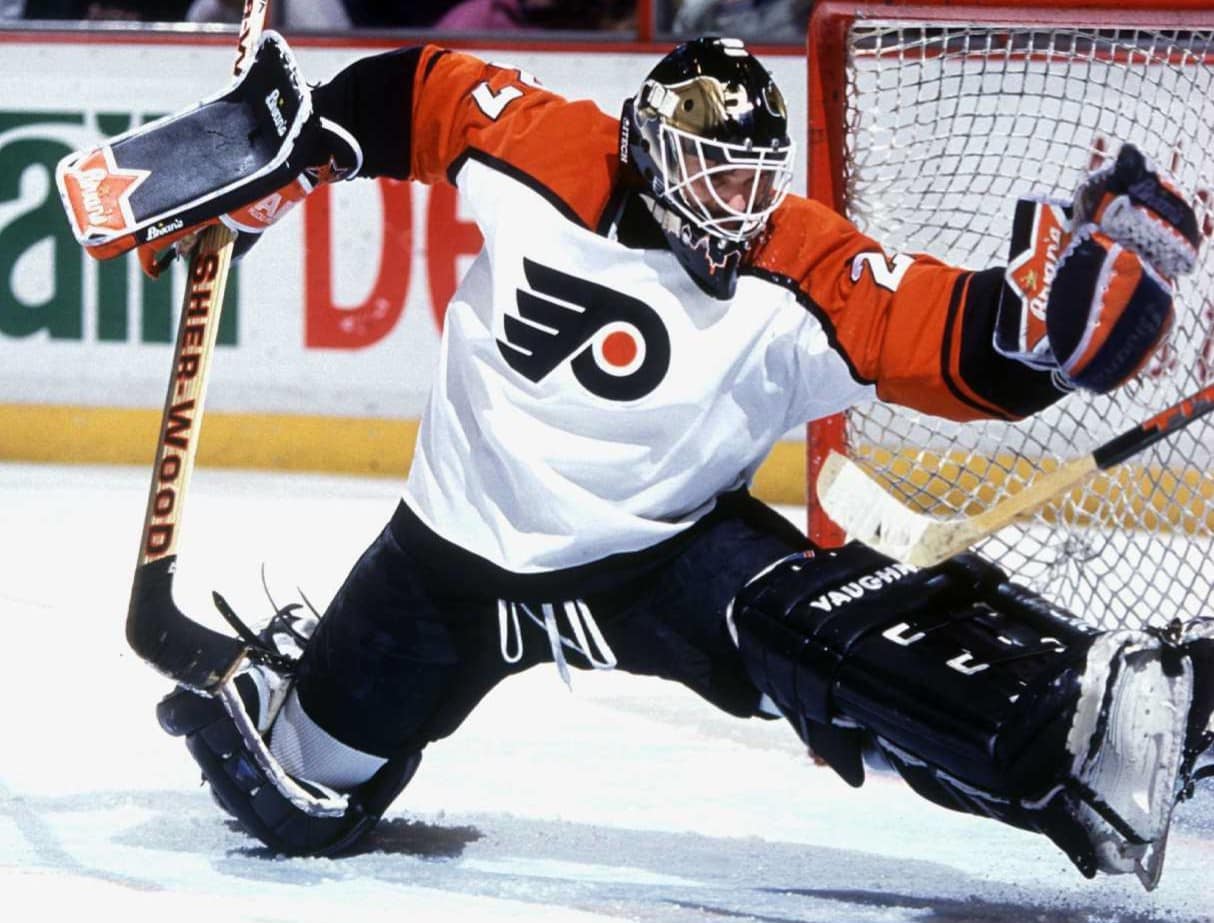
Porter Martone arrived at his NHL debut with the kind of entrance that shortens careers or builds franchises. Ten points in nine regular-season games. An overtime winner in his first goal. A primary assist on the clinching play in Philadelphia's postseason-punch ticket. Then five points in ten playoff games, including game-winners in consecutive first-round contests against Pittsburgh. At a 93-point annual pace, Martone is performing like a franchise cornerstone in his first month. The Flyers, long denied a Calder Trophy winner despite 58 seasons of operation, are beginning to entertain the possibility that the sixth overall pick from 2025 might be the one to finally break that seal.
But here's where the organizational pressure calculus becomes relevant to player prop construction. Martone doesn't need to maintain a point-per-game pace to win the Calder—the award accounts for scoring environment, ice time allocation, and the natural variance of a rookie campaign. The real precedent in Philadelphia history comes from Shayne Gostisbehere's 2015-16 season, when a defenseman finished second in voting after delivering 17 goals (sixth among blueliners), four overtime winners, and five game-winning goals during an improbable playoff push. Gostisbehere's impact was magnified by clutch positioning and narrative weight, yet he still fell short to Artemi Panarin. Simon Gagné and Brian Boucher both cracked the top six in Calder voting from 1999-2000—a season notable not just for regular-season performance but for translating that form into playoff execution, where Boucher matched his .918 save percentage over 18 games.
The betting market will price Martone's Calder odds based on extrapolated point totals and comparative rookie class strength. His current trajectory—if sustained—would land him in the 75–85 point range over a full season, a threshold that historically competes for the award. But the mechanism worth interrogating is whether his early deployment reflects actual sustainable usage or a small-sample surge that will regress once opponents film and adjust. Six of his ten points came in nine games; five came in ten playoff games against a single opponent. Playoff sample sizes are noise for seasonal projection—they're high-leverage situations with smaller defensive sample pools. The nine-game regular-season window is real, but it's also the period when opposing coaching staffs have zero tape on Martone's tendencies.
For prop bettors, the angle centers on whether Martone's assists total or points total reflects true offseason market adjustment or whether the line was set before this opening volley. If his Calder odds have already shifted from 40-to-1 to 8-to-1 or tighter, the early-burst pricing has already moved. His anytime goal prop for individual games will likely see modest line inflation (perhaps +120 to -120 from what would have been -160 if he'd been a late-round pickup). The sustainable edge, if one exists, lies in identifying whether the Flyers' coaching staff intends to maintain his current ice time and leverage spot—questions only answerable through line deployment in the next 5–10 games. If Martone averages sub-16 minutes per night going forward, his point totals will compress toward the 60–70 range, and anyone who bet his full-season props at open should expect a modest fade. If he sustains 18–20 minutes nightly, the original line was a value spot for points and Calder odds.
The organizational reality is that Martone's pressure is now asymmetric. Calder voters reward consistency and narrative closure; a sophomore slump after this opening act would be devastating to his trajectory but wouldn't erase what he's already accomplished. The market, however, will price his October and November performance as predictive of April totals. Bettors holding early positions should monitor usage trends closely—ice time stability matters far more than point pace for projecting season-long totals.