NHL · transaction
The Tkachuk Reckoning: Four Years of Silent Mutiny, and What It Means for Deadline Player Value
A bombshell report reveals Brady Tkachuk told his Senators teammates four years ago he wouldn't re-sign—and the locker room didn't push back, reshaping how teams should price star rentals.
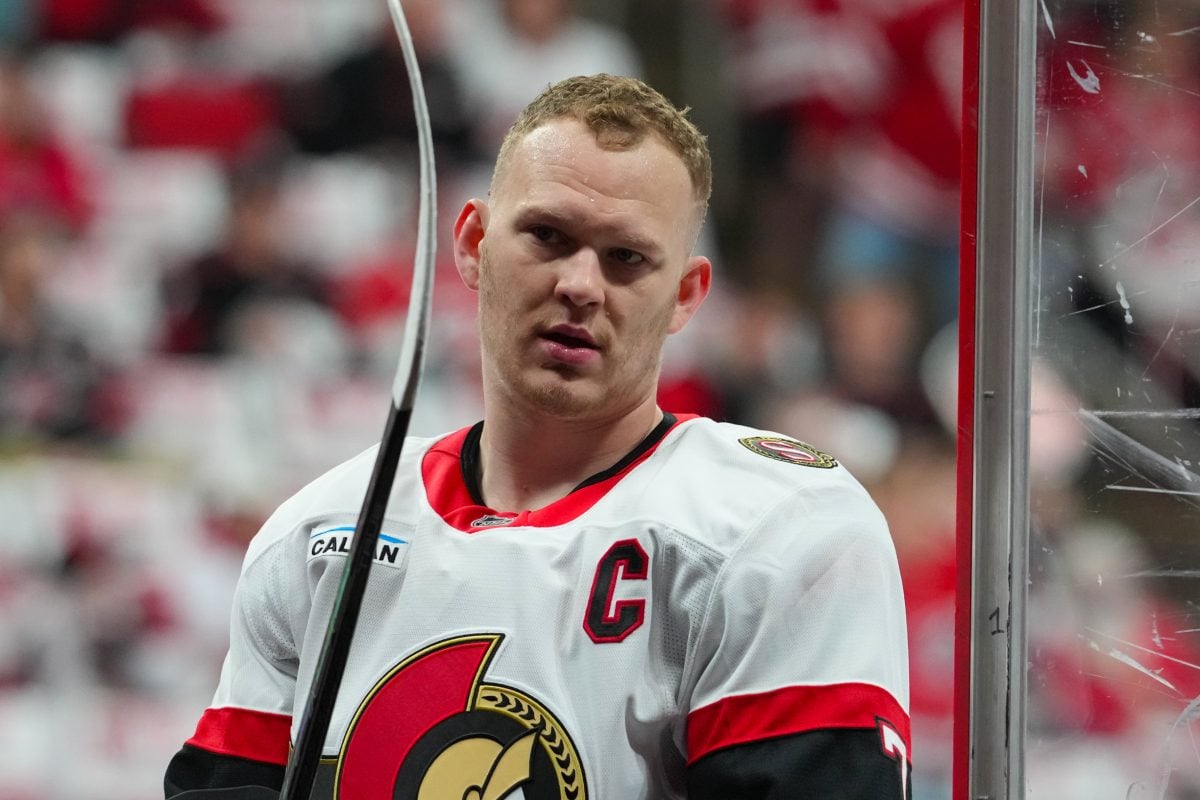
The Brady Tkachuk trade to St. Louis in June 2026 wasn't a sudden implosion. According to reporting from Postmedia's Bruce Garrioch, the Senators captain had been telling his teammates for the past four years—stretching back to approximately June 2022—that he had no intention of signing an extension in Ottawa. That's not a negotiating stance or leverage play. That's a four-year declaration of intent to leave, broadcast to the dressing room by the player designated as the team's emotional anchor.
What amplifies the damage: the dressing room didn't fight for him. TVA Sports' Renaud Lavioe reported that sources indicated the locker room was not pushing for Tkachuk to stay. When a 25-year-old franchise forward signals departure and his own teammates absorb it as inevitable rather than aberration, the organizational culture has already fractured. Tkachuk's final season with Ottawa—one where the team made the playoffs—saw him perform visibly below his standard. Steve Staios, the Senators president, made clear the issue transcended the thumb injury Tkachuk had cited; something deeper had corroded his engagement.
The Kings, meanwhile, are holding pattern on Drew Doughty. GM Ken Holland announced Friday that extension negotiations with the 37-year-old defenseman will wait until next offseason. Holland and Doughty both want the Hall of Famer to finish his career in Los Angeles, but Doughty's production arc through 2026-27 will determine what conversations look like in summer 2027. At 18 seasons with the franchise, Doughty's role and salary may have to flex downward as age compounds. Holland's patience here is a statement: we're not forcing the narrative or the numbers; we're watching what he delivers on ice.
For prop bettors, the Tkachuk precedent carries teeth. Star players on expiring deals—particularly ones signaling non-extension to teammates—often show measurable statistical fade in their final season before trade. Tkachuk's ice time, shot volume, and assist rates in 2025-26 should be compared against his career averages to establish whether depreciation is priced into his next-team projections. The Cardinals are betting on a reset effect; bettors should verify whether that reset is real or recency-driven. Doughty's situation is opposite—the Kings are explicitly rejecting urgency, which typically means they project declining production at his age; his 2026-27 games-played total and plus-minus carry inverse risk depending on whether Holland's faith in a graceful decline proves accurate or optimistic.