Panthers' Brady Tkachuk Trade Leaves Goaltending Cupboard Bare
By Justin Erickson ·
Florida just mortgaged its future draft capital for forward depth—and now has five days to solve a crumbling goaltending position before free agency opens.
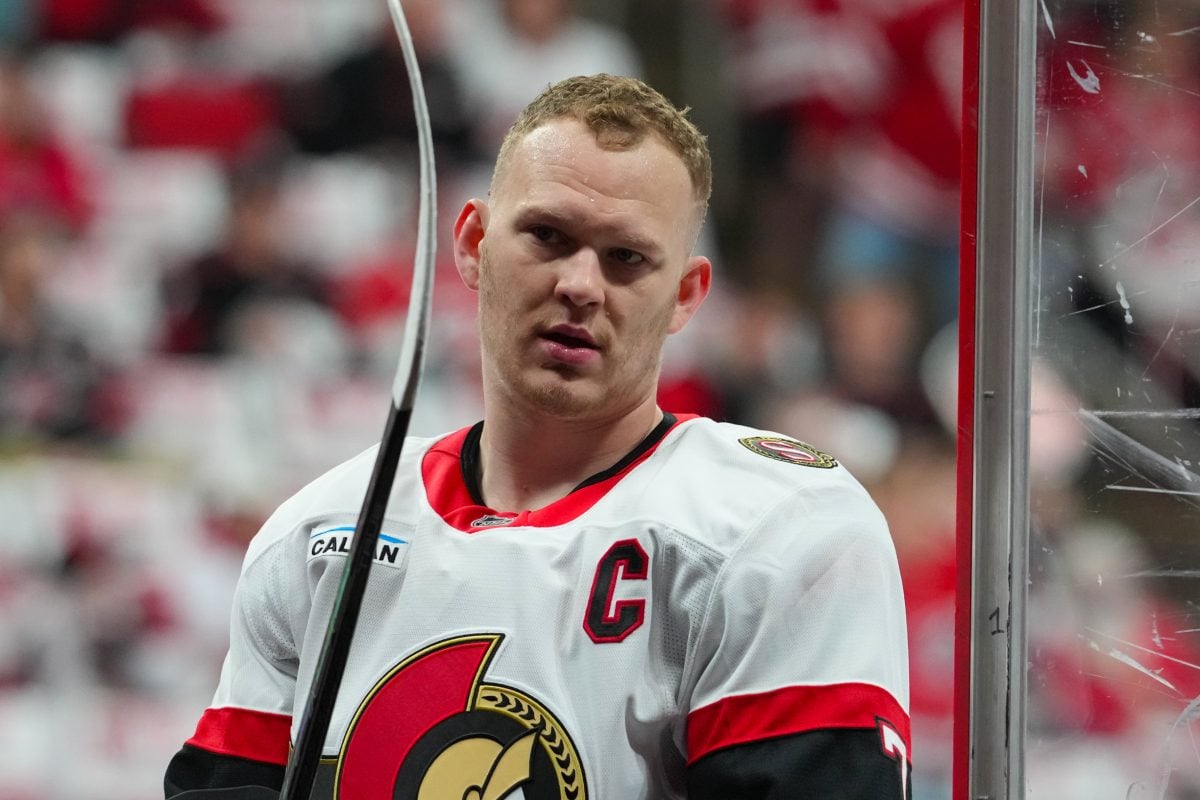
The Florida Panthers acquired Brady Tkachuk on June 23, 2026—three days ago—by surrendering two first-round picks, a top-ten protected 2029 first, and a 2027 second-rounder to Ottawa. The move addresses a critical need: elite forward depth to complement Matthew Tkachuk and contend for a third Cup in four seasons. But the math reveals a trap. Both Sergei Bobrovsky and Daniil Tarasov are set to hit free agency on July 1—five days from now—with no clear internal successor. The Tkachuk deal has left general manager Bill Zito with roughly $5.8 million in cap space and a roster suddenly devoid of draft ammunition.
The goaltending market for Florida has narrowed to splinters. Connor Hellebuyck, the Winnipeg Jets' ace, has requested a trade and listed South Florida as a preferred destination. But Zito no longer has first-round picks to entice Kevin Cheveldayoff. The Jets can afford to wait—other suitors with deeper asset pools will emerge. Jordan Binnington, the St. Louis Blues' alternative, carries a $6 million annual cap hit on a six-year deal; acquiring him requires salary retention, a conversation that becomes harder when you're negotiating from weakness. The Panthers' window to act is now measured in hours, not weeks.
This constraint forces an awkward cascade. If Zito can't land a proven free-agent goalie—and the math suggests he can't without surrendering current-year roster pieces—he must either draft a goaltender this weekend or gamble on a prospect development curve that typically requires 2-3 years. Brady Knowling and Dimitri Borichev are both names on his board, but neither is guaranteed to reach the Panthers' remaining draft slots (40th and 48th overall). Trading back into the first round to grab a goalie prospect burns the late-round picks that might otherwise fund future deadline flexibility.
The Hathaway acquisition (June 19, 2026) now reads as a potential package-building move rather than a simple roster depth play. The Flyers retained 50% of his salary, freeing up $1.5 million in real cap relief. That suggests Zito is laying groundwork for a trade proposal—but to whom, and with what collateral? The clock is merciless. By July 1, Bobrovsky and Tarasov will be free to sign elsewhere, and the Panthers will enter the season with either a band-aid goaltending solution (a third-stringer on a prove-it deal, likely sub-league-average save percentage talent) or a developmental prospect who has never faced an NHL regular season.
For bettors, this creates a clear operational signal: the Panthers' defensive posture will degrade from 2025–26 levels. Bobrovsky posted a .923 save percentage last season; any replacement recruited in the next 72 hours will likely underperform that mark by 20–40 basis points. Tarasov, younger and less proven, generated .909 last year. A net downgrade in goaltending talent, measured in volume, translates directly to higher goals-against rates and elevated volatility on team-total unders. Florida's offense (led by the Tkachuk brothers) remains elite, but goaltending instability pushes their total-goals exposure higher. The Panthers are now a classic sell on team totals and moneyline props until their goaltending void is filled—and any emergency hire in the next five days will carry execution risk well into October.