NHL
Maple Leafs Fire Craig Berube: Coaching Turnover Signals Tactical Reset—and Line Movement Risk
Toronto's midseason dismissal of Berube, with two years remaining on his contract, marks an organizational pivot that will reshape team structure, goaltending workload, and offensive system dependencies through the playoffs.
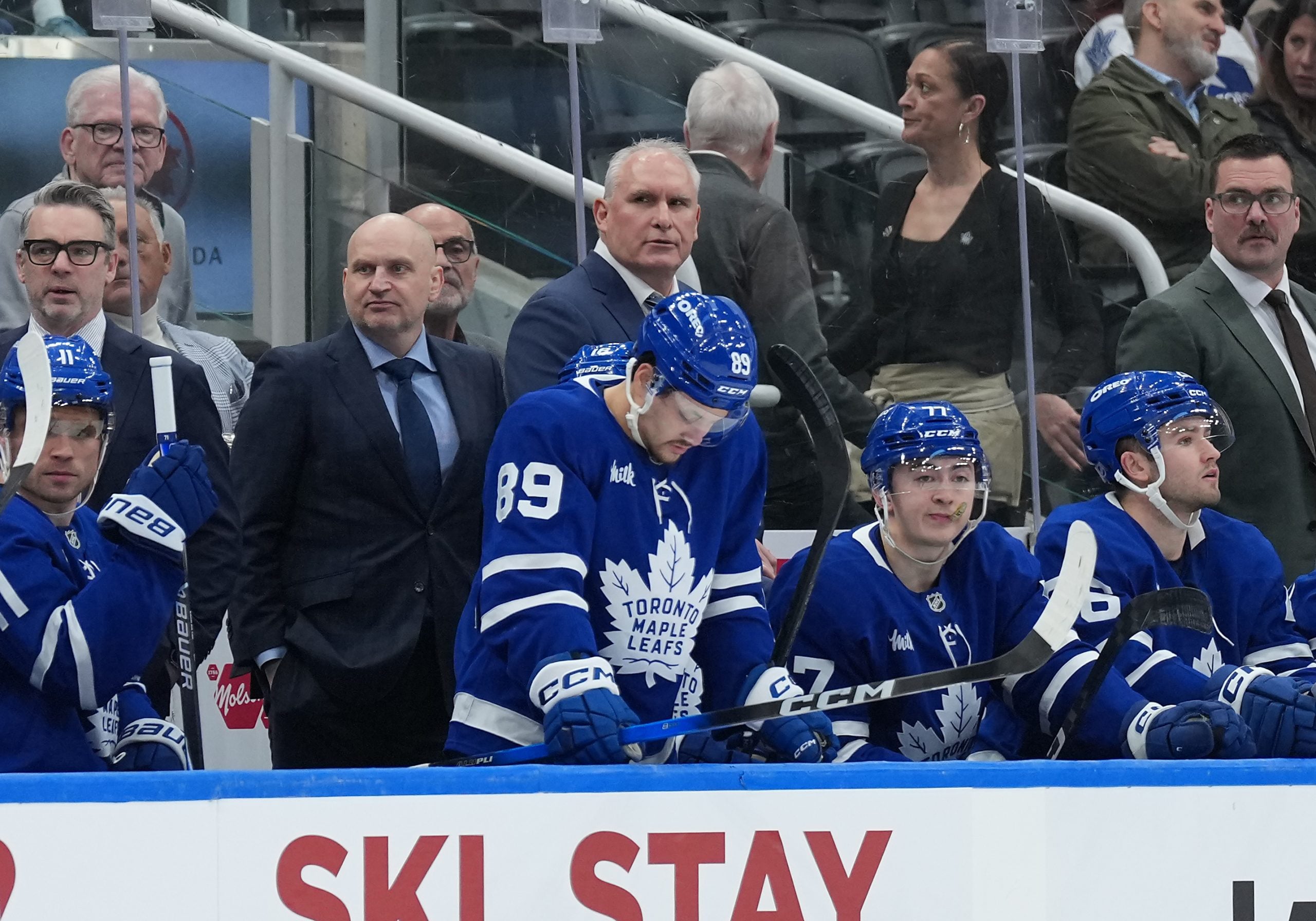
The Toronto Maple Leafs have fired head coach Craig Berube effective immediately, General Manager John Chayka announced on May 13, 2026. Berube departs with two years and $4.5 million remaining on his deal—a significant sunk cost that signals the new front office views a tactical overhaul as more urgent than financial prudence. The decision comes after Chayka and advisor Mats Sundin met with Berube and concluded the organization needed to move in a different direction.
Characterizing this as a reflection of "organizational shift" rather than performance critique is the league's standard euphemism, but the timing and structure matter. Berube's tenure left systems in place—defensive structures, goaltender deployment patterns, power-play architecture—that the new regime apparently views as incompatible with their vision. Those systems directly influence individual player prop lines. Auston Matthews' production profile under a Berube system (forechecking emphasis, slot-dependent scoring) may not transfer cleanly to whatever tactical framework arrives next. Joe Woll's workload (if healthy) and the backup goaltender rotation will almost certainly shift depending on the incoming coach's philosophy on rest and injury management.
Chayka will interview candidates to shape what comes next, and the interim period—before a permanent hire—creates volatility in team totals, goalie save rates, and shot volume baselines. Coaching changes at this juncture of the calendar (mid-May, post-season) mean the new coach takes over without preseason practice time; installation of new systems happens on the fly, which historically increases variance in team offensive efficiency for 4-8 weeks. Assist numbers typically spike in the first 10 games under a new coach (more loose passing, less structured motion) before settling into a new baseline. Team totals registered today or tomorrow assume Berube's system persists; they don't. Adjust accordingly.
For prop purposes, the edge lies in FADING established baselines on Toronto depth forwards and team-level assists for the next two weeks. Matthews and William Nylander's individual assist and point totals priced on Berube-system efficiency will likely overstate early-season production under a new system that hasn't been installed. Conversely, goaltender save percentage lines should be treated with caution—a new coach may deploy the starter (Woll or whoever assumes primary duty) differently than expected, inflating saves or lowering them depending on whether the new system emphasizes perimeter defense or slot-collapse schemes. The replacement coach's deployment history is the critical research input; obtain it before taking any goalie props involving Toronto.
Chayka's statement that the rest of the coaching staff's future depends on the new hire's preferences means assistant coaching turnover is probable—another signal of systemic change rather than mid-season tweaking. This is not a lateral adjustment. It's a reset that will touch every efficiency metric Leafs players produce over the next month.
NHL Intelligence — Hockey intelligence beyond the scoreboard. Open NHL Intelligence →