NHL
Home Opener Chaos: Larkin Booed, Carlo's Kneeing Call Divides, Bobrovsky Breaks Rookie Tradition
Detroit's opening night collapse and St. Louis's discipline gamble underscore how early-season volatility reshapes playoff positioning.
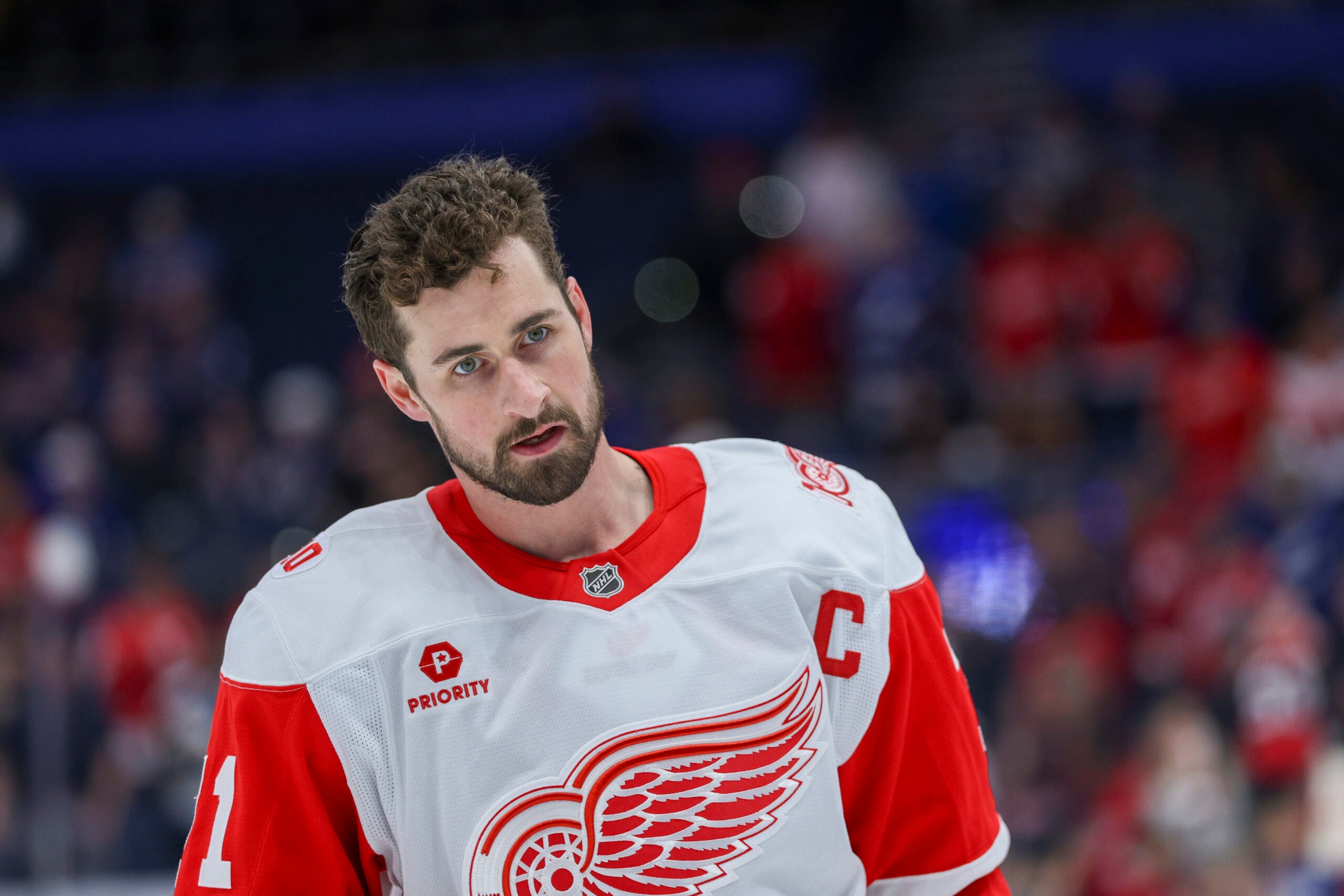
The NHL's opening week delivered three separate reminders that team control—whether over narrative, discipline, or tradition—collapses under pressure. At Detroit's home opener, Dylan Larkin, absent due to injury, was introduced alongside scratched players and received a sustained chorus of boos, prompting a "sell the team" chant five minutes into a 2-0 loss to the Rangers. In Dallas, Brandon Carlo drew a five-minute major and game misconduct for kneeing Roope Hintz on his St. Louis debut, a call that fractured opinion along intent versus contact lines. And in Toronto, Sergei Bobrovsky took the ice before Gavin McKenna could claim his rookie lap—a breach of tradition that Bobrovsky later acknowledged, though he denied superstition drove the decision.
The Larkin situation carries the most roster consequence. A captain requesting a trade over the offseason, paired with the firing of the general manager and a failed defenseman extension, left Detroit's front office with only one reset lever: winning. Instead, the Red Wings were out-shot 6-0 inside five minutes and lost at home. Larkin's absence is medical—injury-related—but his introduction to a hostile crowd at the opener weaponizes that absence into a narrative liability. The decision to present him alongside reserves during player introductions, whether protocol or public pressure, turned an unavoidable scratch into a spectacle. For betting purposes, Detroit's opening-night dysfunction signals early-season volatility; a 2-0 home loss with that level of shot suppression suggests both goaltending and transition play are fragile. Expect Red Wings team totals to compress until a win stabilizes confidence.
Carlo's kneeing call is more granular. Contact occurred at the knee—there is no dispute—but the triggering mechanism reveals an officiating pattern worth tracking. Hintz, attempting to evade the hit, left his leg exposed; Carlo's body position (legs unextended, shoulder lowered) suggested a legal check before the dodge. The five-minute major and misconduct, without supplementary discipline, suggests the on-ice official treated it as reckless positioning rather than predatory intent. Over a season, this sets a threshold: defenders executing clean checks who absorb contact from dodging forwards occupy a gray zone. If that zone expands (more majors, more misconducts for similar contact), defensive players will compress their hitting windows, reducing finish-play scoring. Blues defenseman shot totals and assists should be monitored for the next 3-5 games; a major penalty in game one sometimes triggers coaching caution that depresses individual offensive contribution.
Bobrovsky's breach of McKenna's rookie lap is a low-impact cultural note, but it signals something about goaltender autonomy and media expectation management. Bobrovsky denied superstition, claiming it was unintentional—a statement that matters only if the media narrative forces it to matter. For bettors, the takeaway is indirect: Bobrovsky and McKenna now share a public narrative around the moment, which can either bond a team or introduce friction depending on how the Leafs' season unfolds. If Toronto struggles, this becomes Bobrovsky's failure to defer; if they win, it becomes a non-story. In the short term, monitor Bobrovsky's save percentage over the next two weeks. A goaltender distracted by public criticism typically allows a goal or two that should be stopped, suppressing SV% by 1-2 percentage points.
NHL Intelligence — Hockey intelligence beyond the scoreboard. Open NHL Intelligence →