NHL
Fantasy Hockey's First-Round Hierarchy: What the Draft Board Reveals About 2026-27 Value
ESPN's consensus top-20 framework exposes which NHL stars the projection market is overweighting—and where sharp drafters can find inefficiency.
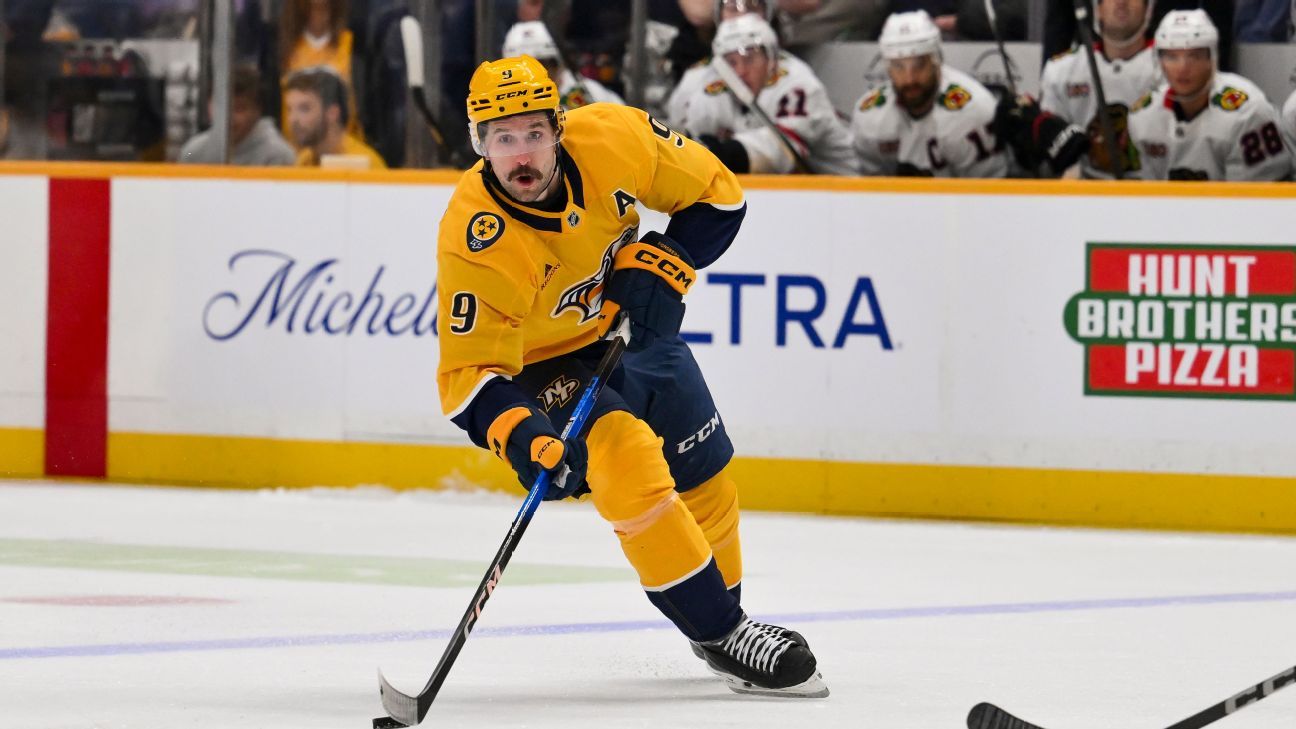
Fantasy hockey rankings exist in a strange tension: they're built on cold math (goal projections, historical usage rates, team cap structure) but deployed by humans playing hunches. ESPN's 2026-27 draft board, released as the season approaches, represents the default consensus—the floor price that most recreational leagues will anchor on. That consensus matters not because it's always right, but because it's predictably wrong in specific ways.
The framework ESPN uses is transparent: 2 points per goal, 1 per assist, 0.1 per shot and hit, 0.5 for blocks and special-teams points. For goalies, wins are 4 points, shutouts 3, OT losses 1, and saves 0.2. That weighting structure loads value onto goal scorers and elite goaltenders, which naturally inflates first-round demand for high-usage forwards and Vezina-caliber tenders. The math isn't wrong—it's just mechanical. It doesn't account for variance in linemate stability, injury risk pricing, or which players are actually on pace for career-high touch rates heading into camp.
The real edge in early-round drafting emerges when you disaggregate the consensus tiers. Players ranked in slots 5-10 often carry higher injury-risk premiums than their per-game upside warrants, particularly forwards coming off offseason procedures or defensive players who missed summer conditioning. Conversely, second-line centers and power-play specialists—the kinds of players who float into round two—frequently project better on a per-game basis than their aggregate ranking suggests, because the board weights league-wide scarcity ahead of individual ceiling. When you know your league's scoring system well enough to recalculate a player's point-per-game expectation and then multiply by Games Played probability, you can often find +2 to +3 ADP value on players falling out of the first twenty.
From a prop perspective, early-season player performance—particularly in October—often tracks the inverse of draft consensus. The players being overdrafted tend to see slower starts (higher ownership means higher ceiling expectations, which feel like underperformance relative to projection). The second-round steals tend to pop because they come in with zero hype burden and hit their projection faster. If you're betting player props in the first 10 games of the season, fade the top-5 consensus picks on volume lines (shots, assists) for the first two weeks; the market will have inflated those lines based on draft-day enthusiasm rather than early-season role stability. Lean into the round-two names on their first three games against bottom-five defenses—they'll post numbers that look like breakouts but are actually just meeting quiet expectations.