NFL
Harrison Jr.'s Role Collapse Signals Deeper Cardinals Receiver Problem
A fourth-overall pick deployed as a decoy on 44% of his routes—Arizona's offensive architecture is wasting talent and creating false prop values.
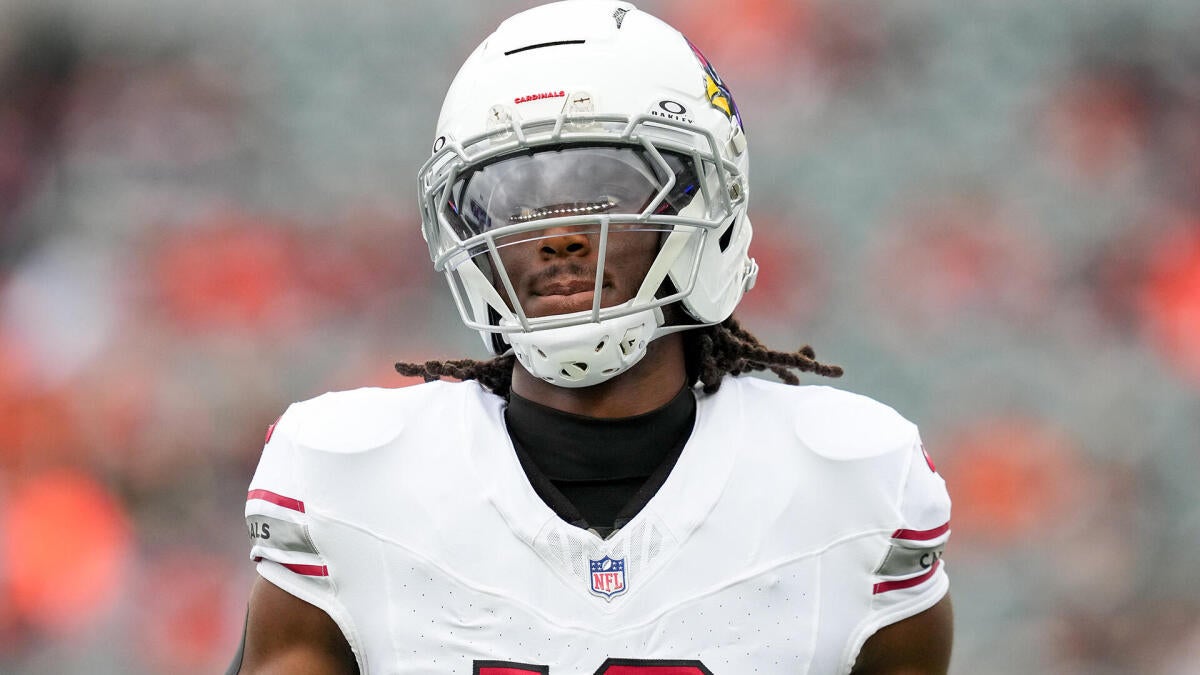
Marvin Harrison Jr. has caught one pass in two games. That's not the lede that matters. What matters is why: the Cardinals are running him as a sacrificial deep threat, lining him up to run opposing cornerbacks away from coverage rather than attack underneath zones where he might actually generate targets. Through Week 2, Harrison has run 62 routes with an average depth of 12.83 yards—the deepest route-break rate among all 103 receivers with 25-plus routes this season. Go routes consume 30.6% of his snap diet. Posts another 12.9%. He's been targeted once across those 27 combined deep/intermediate looks. That's not variance. That's system deployment.
The usage pattern raises a hard question about offensive design. Does Cardinals coordinator Thomas Canough lack confidence in Harrison's ability to win at the line? Or does Arizona's scheme—built around Kendrick Bourne's quick-game role and Trey McBride's intermediate positioning—simply have no room for a No. 4 overall receiver to operate in his actual skill zone? Bourne (11 targets, 10 catches) is the team's real slot weapon. McBride will eat underneath. And Harrison keeps getting sent 12-plus yards downfield to clear space for others. The film work confirms the problem: a Twitter video from Rookie Watch shows Harrison running at half-effort on multiple reps from Week 1, lacking the separation sharpness that made him a prospect darling at Ohio State. One drop already. Route discipline spotty. When a player with elite bloodline credentials and premium draft capital starts disappearing from the offense, coaching philosophy and individual performance are always entangled—but the route architecture here is the primary culprit.
For bettors, this creates a specific edge on Cardinals pass volume. Jacoby Brissett will continue to have safer, shorter targets available than Harrison. The offense's philosophy—leverage Harrison's speed to create intermediate space, throw to guys running option routes underneath—depresses targets for the top receiver. Harrison's 4-target output over 62 routes works out to 6.5% target rate, which ranks 100th among qualified receivers and puts him in territory with camp invitees and journeymen. His 0.52 yards per route run ranks 92nd. These aren't fluky penalties; they're the mechanical output of being frozen out by system design.
The prop market hasn't fully absorbed this yet. Books opened Harrison at 5.5+ receiving yards this week, a number that assumes more balanced utilization than the Cardinals are actually providing. If Arizona continues running 30%+ go routes and 13%+ post routes, Harrison's yards-per-reception will trend toward 10-12 yards when he does get targeted—the long ball rather than the underneath accumulation. A 5.5-yard line on a deep receiver who needs to hit pay dirt to cash is close to a fade. The edge isn't durable past three weeks (either Brissett adjusts, or the Cardinals' coaching staff makes a philosophical shift), but early season before adjustment, the Harrison receiving-yards under has value against books pricing him as a normal slot option rather than a structural decoy.