NBA · transaction
The LeBron Wait Game Is Freezing the Market—And Creating a Prop Blind Spot
Three weeks after the draft, LeBron James' free-agency decision is holding six contenders in stasis, leaving massive roster holes and uncertain salary structures that will reshape team-total props once his choice lands.
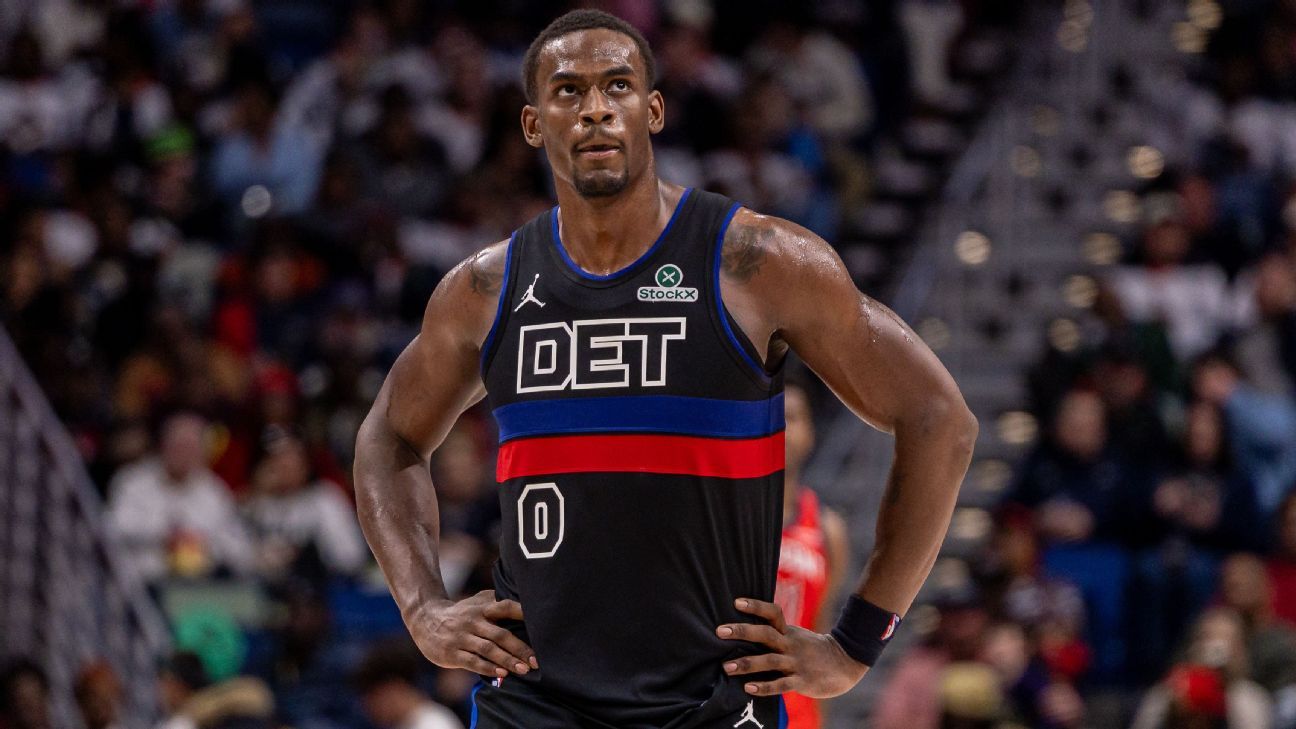
The 2026 offseason has seen seismic movement: Giannis Antetokounmpo, Jaylen Brown, and LaMelo Ball have all been traded, the lottery class is settled, and most franchises have begun their roster construction. But the machinery has jammed at a single bottleneck—LeBron James' decision on his next team. Per ESPN's reporting, six teams—Cleveland, Denver, Golden State, Miami, Minnesota, and Philadelphia—are sitting with two or more open roster spots, waiting to see if James lands there before committing significant capital elsewhere.
The financial arithmetic reveals why this delay matters. Denver and Golden State combined have eight open roster spots and roughly $39 million in cap space below the second apron, enough to sign James at the $3.9 million veterans minimum if they move fast. Miami can offer $6 million of its non-tax midlevel exception. Philadelphia, Minnesota, and Denver all have the veterans minimum available. The practical constraint: if James chooses Golden State or Cleveland, Draymond Green and James Harden—both expected to re-sign with their current teams—would need to take minimum deals to make room. That financial hostage situation is what's freezing the market. Teams can't fill their gaps until they know whether James is coming, and James' agent Rich Paul has signaled that money isn't the lever—happiness is.
What's invisible in the headlines is the cascading effect on roster construction and playing time. The six teams in the hold pattern aren't just waiting idle; they're operating with incomplete rosters and uncertain role assignments. Golden State, for instance, has eight open spots—that's a near-complete rebuild of their bench and role-player mix depending on whether they're adding a 39-year-old LeBron or filling the gaps with mid-tier free agents. Same pressure hits Cleveland, Denver, and Philadelphia. Once James decides, those teams will scramble to sign available talent in what remains of the free-agent pool, which will be substantially depleted. The signing class for role players and bench contributors will bifurcate sharply: early movers who signed before James' decision will get market rate; late-stage signings will chase scraps at minimum or near-minimum salaries.
For prop bettors, this creates a temporary but meaningful information advantage window. Team totals for the six interested franchises will initially be priced on pre-James-decision roster projections. Once he commits—whether to Denver (adding a secondary scoring source that could depress Jokic's usage), Cleveland (changing the 76ers' composition if he goes there instead), or elsewhere—those totals will need sharp repricing. A team like Denver that signs James won't have the same bench scoring depth it would have acquired with eight months of cap flexibility; their over/unders will compress and shift. Conversely, the team James leaves will suddenly have full cap access and will swarm the market, potentially adding shooting or perimeter defense that changes their pace and defensive efficiency. The market for those repriced totals won't adjust instantly—sharp bettors typically wait 48-72 hours after major roster moves before placing team-total wagers, but the initial numbers posted after James' decision will reflect panic pricing, not settled value. The edge lives in that gap between the announcement and the recalibration.