NBA · transaction
Curry's Contract Limbo Won't Shake Warriors' Opening Push—But Cap Flexibility Will Define Their Season
Stephen Curry's delayed extension decision forces Golden State into a high-wire act: championship ambition now versus roster construction later.
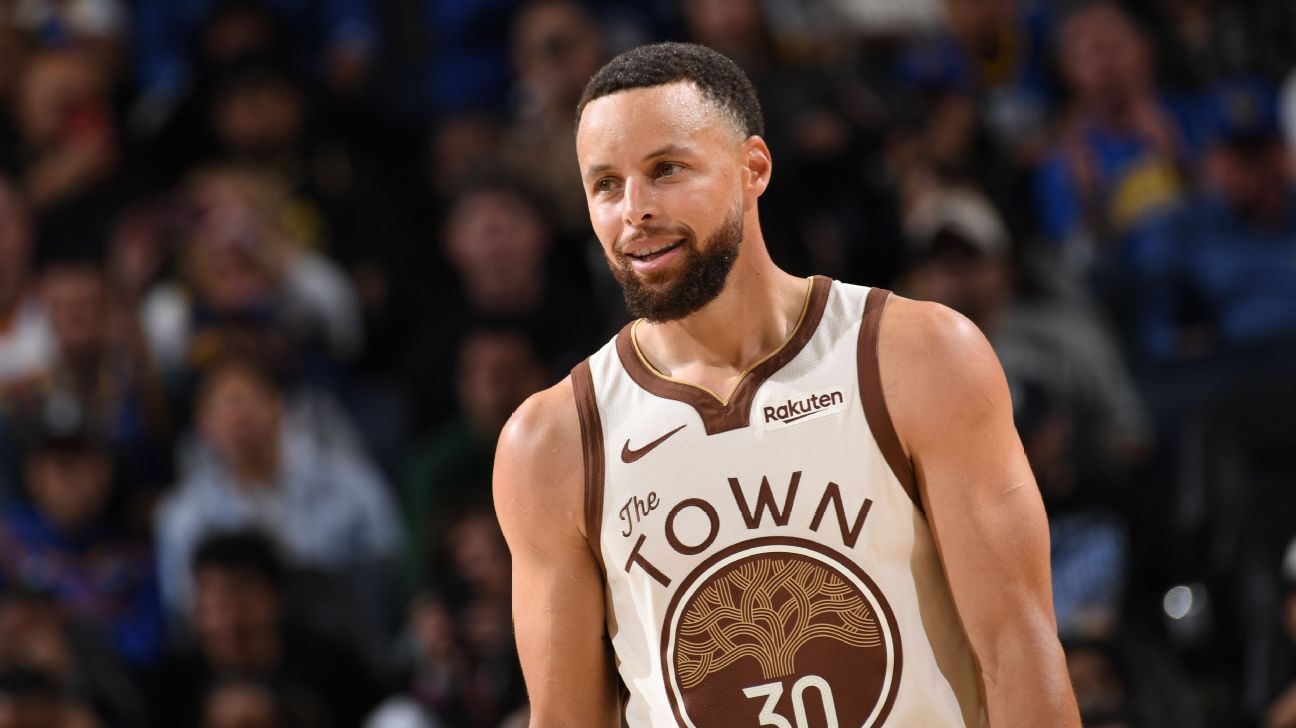
Stephen Curry has sat on the Warriors' contract extension offer for nearly a month, and he's making clear that won't change. As of this week, the two-time MVP remains uncommitted to any of the options Golden State tabled on August 29—max money, scaled-back deals, or the ability to defer the decision and let the front office operate with full flexibility. Training camp opens in Hawaii next week. The regular season tips off October 21 against the Lakers. Curry says it doesn't matter. "If I don't sign, it won't affect me in terms of my play or carrying that weight," he told ESPN on Wednesday. That's credible. Curry isn't signaling distress or leverage-testing; he's explicitly rejected the free-agency narrative and reaffirmed his obvious goal to retire as a Warrior. What he's really wrestling with is architecture—and the Warriors should be sweating it.
The math is unforgiving. Curry's current deal expires at $62.6 million. A max extension of two years and $136.7 million would leave Golden State with roughly $45 million in projected cap space next summer—enough for mid-tier rotation depth but not for a secondary star or a consolidating trade. If he takes less or waits, the Warriors retain more than $100 million in flexibility. That's the difference between pivoting mid-season if depth fails and being locked into their current core. Curry understands this, and so does the front office. The conversation isn't adversarial; it's structural. The team has offered him the menu. He's asking: what do we build if I leave money on the table?
From a roster standpoint, this is the Warriors' real preseason story. Curry's individual performance—his scoring, assists, and spacing—will be lockstep with his four-year average. The open question is whether the bench has enough wings and playmakers to survive a fourth quarter without him. If the supporting cast underperforms early, Curry's incentive to sign for full value rises; the team can't pivot, so secure the bag. If the bench holds, he might defer. This dynamic will ripple through their first 20 games.
For bettors, the immediate takeaway is straightforward: don't lean into narratives about "drama" affecting Curry's output or the Warriors' opening-month cohesion. Curry's scoring line, assist line, and three-point volume will track his season norms. The real angle lives on the team-total and spread side. If the Warriors' bench struggles early and Curry feels pressure to lock in max money before midseason, the front office's flexibility erodes faster. Unders on Warriors team totals in November could gain value as the team tightens rotation minutes and plays conservatively rather than chasing wins. Conversely, if the reserves hold up, the team stays looser, and overs hold their case. The contract fog doesn't move Curry's per-game lines—it moves the team's offensive ceiling.