NBA · transaction
Steve Kerr Signs Two-Year Extension With Warriors: What It Means for Steph, the Roster, and Your Bets
When the highest-paid coach in the NBA decides to stay, the ripple effects reach well beyond the sideline — and straight into next season's player prop market.
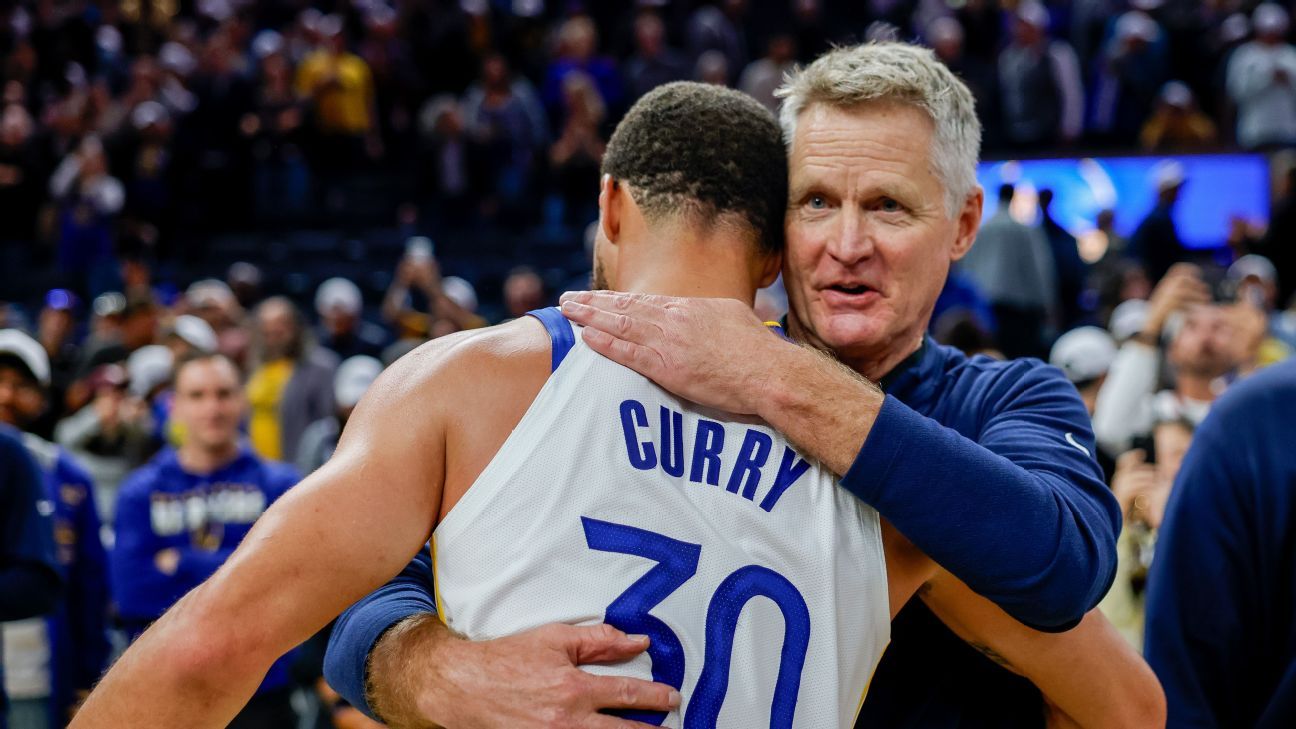
Steve Kerr is staying in San Francisco. As ESPN reported, the Golden State Warriors and their four-time championship coach have agreed to a new two-year deal that runs through the 2027-28 season, ending three weeks of genuine franchise uncertainty and keeping Kerr — who earns a league-high $17.5 million annually — as the face of the Warriors' bench well into the next chapter.
The decision wasn't automatic. Kerr, 60, spent real time weighing his options after Golden State finished 37-45 and exited via the play-in tournament, dropping to the Phoenix Suns 111-96. He met with owner Joe Lacob and GM Mike Dunleavy, took a beat, went on a golf trip, and came back ready to compete. The pull of ground-level NBA competition won out over the softer landing of a media career. That tells you something about who Kerr is — and, more importantly, about the kind of system Stephen Curry and Draymond Green will be running inside of next season.
Here's the structural reality the Warriors are walking into: Jimmy Butler and Moses Moody are both rehabbing serious knee injuries expected to sideline them well into the new year, leaving the roster thin at the wing positions that define Golden State's defensive identity. The front office holds the 11th pick in Sunday's draft lottery with a 9.4% shot at jumping into the top four. Whether they land that pick or stay put, roster reconstruction is the offseason priority — and Kerr's retention signals the front office isn't blowing the whole thing up around Curry and Green.
For prop bettors, continuity at head coach is a meaningful variable — and in Golden State's case, it cuts both ways. Kerr's system is historically one of the most ball-movement-heavy in the league, which keeps assist totals elevated for playmakers and suppresses individual scoring volume relative to usage. With Butler and Moody out early, Curry figures to absorb more offensive gravity than at any point since the Klay Thompson era ended. Watch for early-season Curry points and threes_made lines to be set conservatively by books that are slow to adjust for the depth hole. Draymond Green's assists and PRA lines also warrant attention — in a short-handed rotation, his playmaking workload typically climbs, and Kerr will lean on him to hold the offense together before reinforcements arrive.
The broader team-total picture for Golden State skews cautious for the first two months of the season. A thin wing rotation, an aging core, and a new-look supporting cast trying to learn Kerr's system on the fly historically produces slower, lower-scoring games in November and December. Under-leaning on Warriors team totals in the early going — particularly in road games and back-to-backs — is a framework worth building into your model before lines are posted. The Kerr era isn't over, but this next chapter starts with real structural disadvantage, and the market will take time to price it correctly.