NBA · transaction
Giannis Trade Demand Creates Mid-Season Chaos; Milwaukee Holds the Leverage
The Bucks superstar wants Miami, but the front office is exploring other options—and the uncertainty is about to reshape betting assumptions around both franchises.
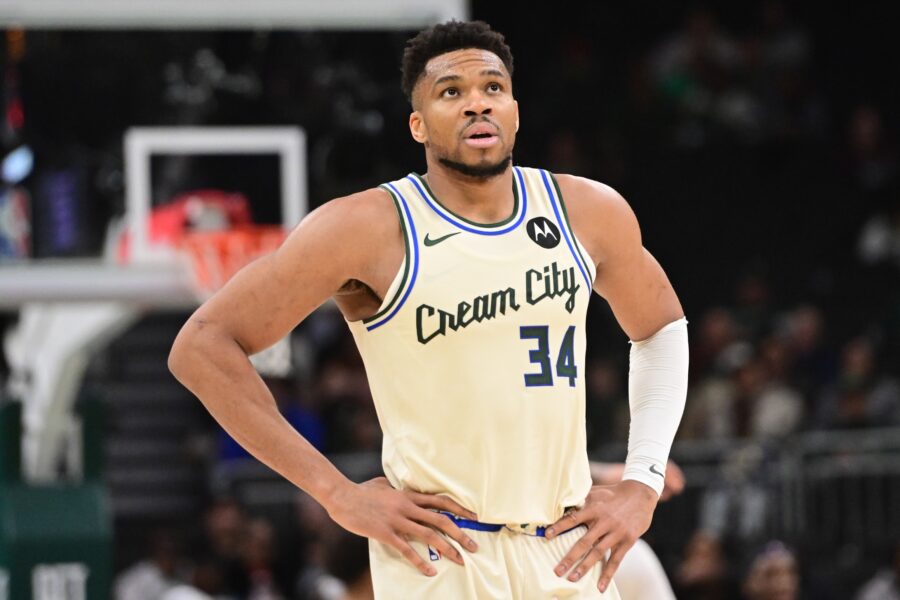
Giannis Antetokounmpo is pushing hard for a trade to the Miami Heat, but the Milwaukee Bucks aren't interested in what the Heat have offered so far. Per ESPN's Brian Windhorst, the two-time MVP has made his preference clear while trade talks between the franchises have intensified over the past week. The complication: Milwaukee believes it can get more value elsewhere, and until another team sweetens its bid or Miami restructures its offer, any deal remains in limbo.
This is classic mid-season leverage asymmetry. Giannis is signaling his preferred destination publicly, which typically empowers the receiving team in negotiations—but the Bucks own the asset and have no deadline pressure. They can wait for Portland, Golden State, or any other contender to pile assets on the table. The Heat's offer, apparently, doesn't move the needle enough for a front office that just invested franchise capital in Damian Lillard. Milwaukee isn't panicking into a bad deal because their star wants out; they're positioning themselves to extract maximum return.
For betting purposes, this uncertainty creates a distinct operational problem: neither franchise knows its playoff rotation in two weeks. If Giannis stays in Milwaukee, his scoring load and shot volume remain baseline-healthy. If he lands in Miami, his touches normalize downward in an offense built around three-level spacing and ball movement—exactly the system that historically reduces individual usage rates for wings and bigs. If he goes elsewhere, all bets reset. The market has likely already priced in some volatility (Bucks moneyline odds are already widened), but the precise team destination fundamentally changes player prop calculus for both involved franchises.
For the Heat specifically, an Antetokounmpo acquisition would flatten their offensive variance in the short term. Miami's current system rewards mid-range jumpers and cutters; Antetokounmpo is a downhill scorer who generates 2-3 offensive fouls per 36 minutes near the basket. That creates either a shooting efficiency cliff or a coaching adjustment period of 3–5 games before Jimmy Butler and Bam Adebayo's role distributions settle. Early prop windows on Heat games in that window should be avoided entirely—the baseline models won't hold.
Meanwhile, the Bucks' current role players (Damian Lillard, Khris Middleton) are already pricing in Giannis's presence. If he departs, their scoring lines should see modest upticks while team totals likely decline unless Milwaukee acquires a replacement scorer in the same deal. The safest tactical move: monitor the exact moment a trade is announced, then wait 36–48 hours for the market to overreact to the headlines before building any durable prop exposure on either franchise.