Herro's Homecoming Reshapes Bucks Offensive Identity—and Betting Edges
By Erik Schwartz ·
Tyler Herro joins Milwaukee in a seismic trade that swaps him for Giannis; his shooting and secondary playmaking could unlock new attack vectors against switching defenses.
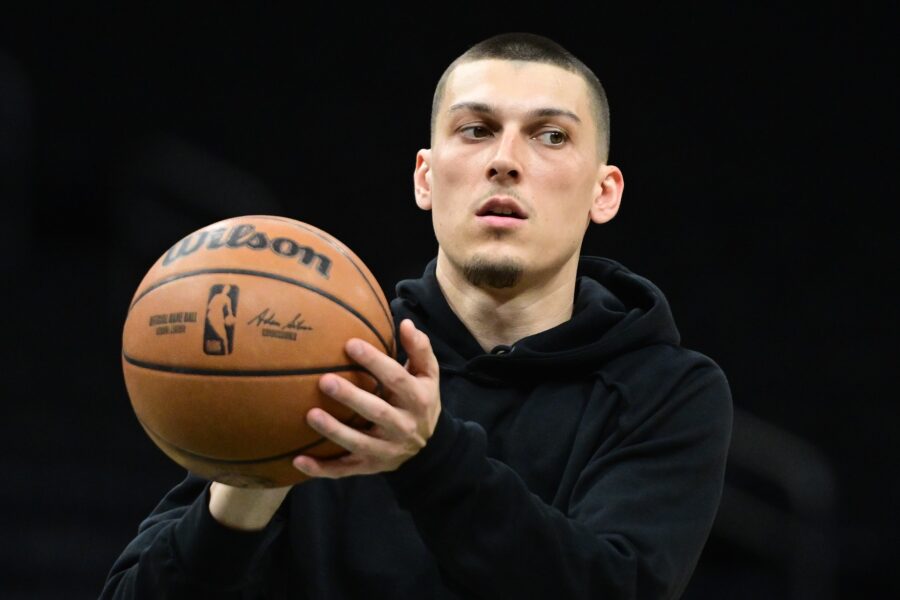
Tyler Herro is officially a Buck. The 26-year-old one-time All-Star arrived in Milwaukee as part of the blockbuster deal that sent Giannis Antetokounmpo to Miami, per reporting from The Athletic. Herro told Eric Nehm he's thrilled about the move—calling it a "fresh start" for both himself and the organization—and signaled confidence that he'll stay put despite being on an expiring $33 million contract headed into potential 2027 free agency.
The mechanics of this swap matter enormously for how Milwaukee constructs offense. Herro is fundamentally a different kind of secondary creator than Giannis. Where Giannis operates as a gravity hub—defenses collapse on drives, leaving shooters open—Herro operates as a motion engine. He can generate his own three-point looks, operate pick-and-roll from the wing, and run off-ball actions at high frequency. For a Bucks team that lost its most dominant interior player, Herro provides an alternative offensive philosophy: spreading the floor horizontally rather than attacking vertically.
What's more, Herro's contract expiration date is functionally a non-factor for next season. He's locked in at $33 million through 2026-27, giving Milwaukee a full year to develop continuity. The organization has signaled it wants him long-term—Herro said he's "hoping" to stay—which means we should price in offensive role stability, not a rental mentality. A player on his way out plays a different style than one with organizational buy-in.
For prop bettors, the practical edge sits in three-point volume and assist totals for Milwaukee's secondary ball-handlers. Herro historically takes 6.2 threes per game for his career (40.2% conversion). In a Bucks system that will require more perimeter shot creation without Giannis, expect that volume to climb toward 7-8 attempts per game. That floor-spacing demand also opens gaps for role players in pick-and-roll: if defenses can't collapse on the paint anymore, penetrating guards get clearer passing lanes. Damian Lillard's assist totals could contract slightly (more self-creation demanded), but secondary Bucks guards should see upticks in both scoring and facilitation opportunities. The market hasn't yet priced Herro's higher three-point rate because preseason hasn't started; early October numbers will likely be soft on his 3PM lines before adjusting upward by mid-November once the pattern crystallizes.