MLB
Wild Card Heroics Reset the Postseason Narrative—Here's What the Markets Missed
Three sweeps compressed the first round into 72 hours, but individual performances in decisive moments already reshape expectations for the Division Series.
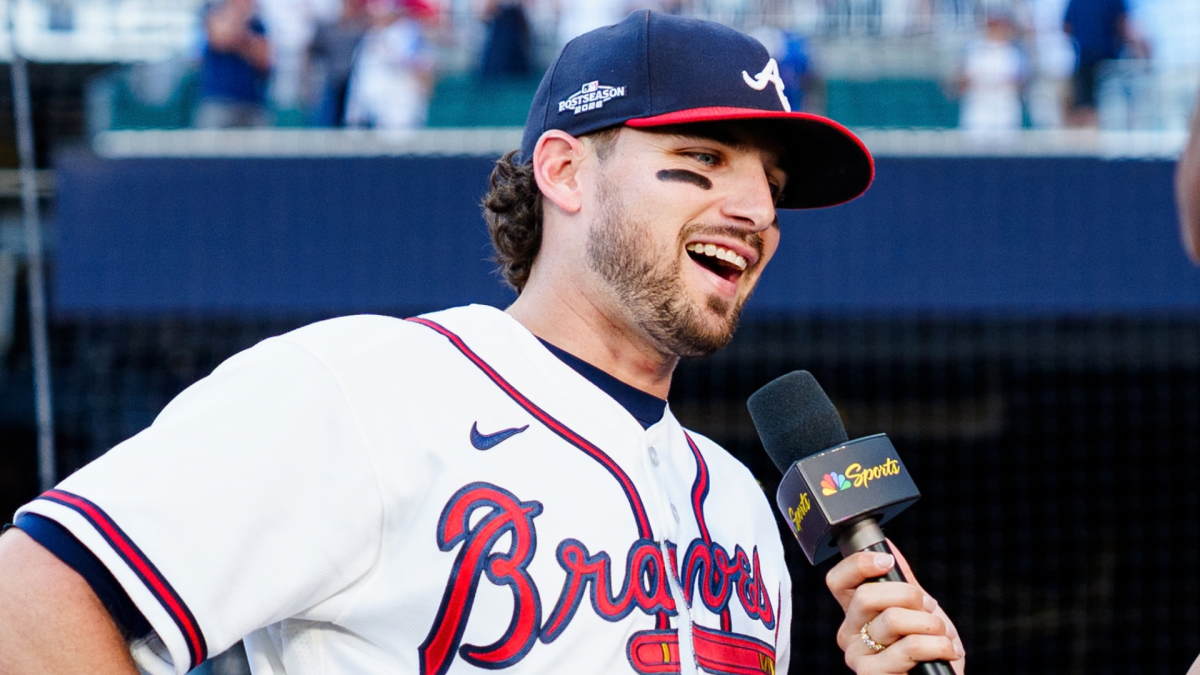
The 2026 Wild Card Series ended as abruptly as it began. Three of four matchups went to sweep, with no lead changes across the board—a statistical anomaly that obscures the real story: single players carrying their teams past thresholds the regular season could not predict. Baseball's official postseason hardware stops at the World Series and Championship Series MVPs, leaving Wild Card dominance unrecognized. But recognizing it matters, because those performances telegraph division-series depth and leverage.
Austin Riley's three-run homer in Game 1 of the Braves-Phillies series added 3.97 percentage points to Atlanta's World Series win probability—the largest swing any single hit has produced all season. Riley entered October batting .211 against 99-mph fastballs with a one-third swing-and-miss rate, a profile that should have made him a liability against elite velocity. Instead, he turned on Jhoan Duran's 99.9-mph fastball for the go-ahead blow, inverting the script he'd written all summer. That kind of adjustment—targeted, sudden, and irreversible in a best-of-three—signals a hitter who compartmentalizes regular-season mechanics and activates a simpler, more aggressive postseason approach. The Braves advance on one swing, but more importantly for the upcoming NLDS against the Dodgers, Atlanta's pitching depth now carries the burden of the favorite role after a sweep.
On the pitching side, Grant Taylor's seven-inning, 54-pitch outing in the Astros-White Sox Wild Card clincher rewrote the usage expectation for marginal-tier relievers. Taylor's previous season high sat 14 pitches below that Game 1 total, yet White Sox manager Will Venable emptied the tank with him because the pitching corps had already burned through four arms. That kind of forced leverage—where a fourth-tier reliever becomes a closer in disguise—produces two betting signals: first, the White Sox are thinner in the bullpen than the standing record suggests, and second, Taylor's arm has absorbed stress beyond his typical load. The Astros sweep cleanly, but Houston's offense did not have to carry the team through Game 3, meaning their run-production profile in the ALDS against the Guardians remains untested under genuine playoff pressure.
These performances are not regressions waiting to happen; they are adjustments under extreme constraint. Riley's homer works because his postseason mentality differs from his September mechanics—a persistent trait, not a blip. Taylor's workload spike is a one-time event that exhausts a finite resource, making the White Sox bullpen a liability when the best-of-five format kicks in. For the division series beginning Saturday, the Braves represent a team that has solved a regular-season weakness with a single postseason decision, while the White Sox pitch the remainder of their series with a pen that has already given its most reliable body extended usage. The Padres-Brewers matchup looms as the division-series proxy for the two best teams in baseball right now, but the Braves' inventory of confidence and the White Sox's inventory of arms have both shifted materially in ways that regular-season records do not capture.
MLB Intelligence — Baseball intelligence beyond the box score. Open MLB Intelligence →