MLB · lineup
The Yankees' Rotation Dominance Sets the Pitching Tier in October; Market Hasn't Fully Repriced Starter Leverage
As twelve teams enter the playoffs, the quality disparity among rotations creates exploitable edges in strikeout volume and bullpen usage patterns.
The 2026 MLB postseason opens Tuesday with the Wild Card Series, bringing eight teams into immediate elimination rounds before the final four advance to divisional play. Twelve clubs remain, and the pitching staffs they field range from ace-anchored powerhouses to rotation disasters masking strong bullpens. This disparity matters deeply for prop bettors because the playoffs reorganize role usage in ways the regular season doesn't signal cleanly.
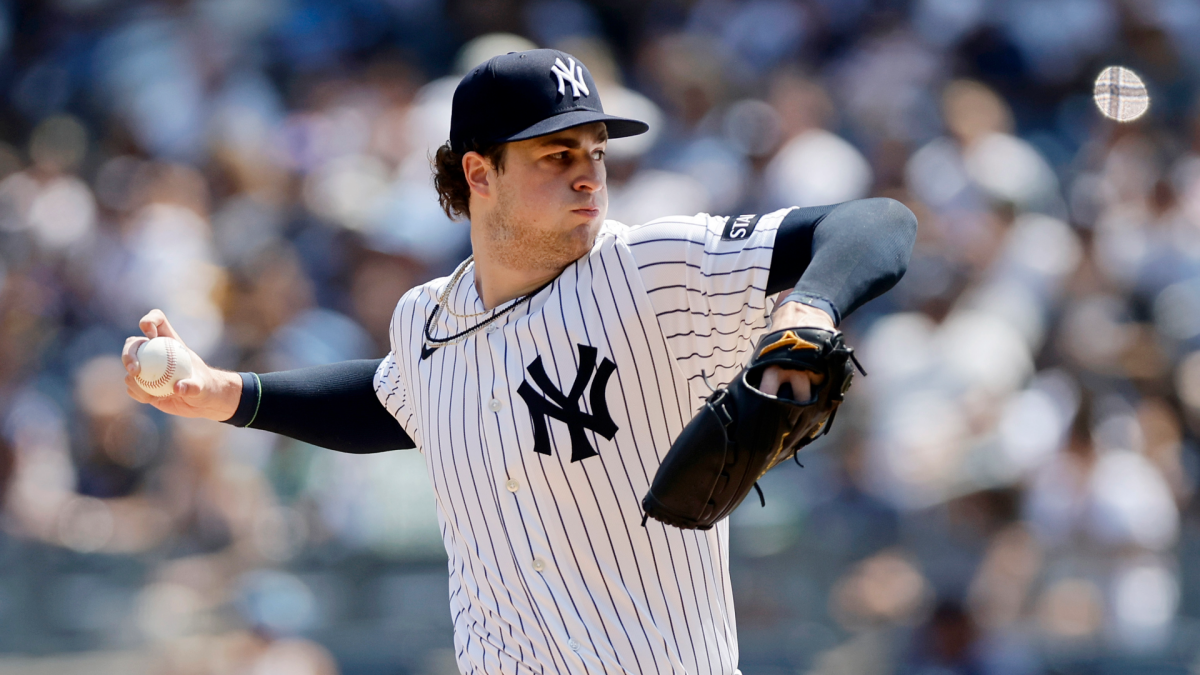
The Yankees' rotation sits atop the field—a tier unto itself. Christopher Sánchez, Jesús Luzardo, Zack Wheeler, and Aaron Nola form the skeleton of what looks unbeatable on paper, yet context clouds the picture. Luzardo carries injury concern. Sánchez posted a 5.12 ERA in September. Wheeler's splits tell the real story: a 4.43 ERA since the All-Star break indicates August fatigue tracking into October. Nola was roughed up in consecutive starts, including a short-rest outing on Saturday that left him vulnerable. The Phillies' back-end bullpen houses Jhoan Duran and José Alvarado—power arms that can carry a series—but the rotation's down-moment risk is material. Even "elite" staffs in October are one bad start from game-management panic and bullpen overuse.
Cleveland ranked eighth in team ERA during the regular season, a respectable floor that masks structural fragility. Parker Messick projects as a possible playoff ace but carries zero October experience. Gavin Williams strikes out hitters at an elite rate yet remains wildly inconsistent. Tanner Bibee anchors the middle, and Foster Griffin—acquired at the deadline—has been terrible since arrival. The Guardians' All-Star closer Cade Smith is a stud, but the bridge to the ninth inning sits far less sturdy than in previous seasons. Houston's rotation craters after Hunter Brown; Peter Lambert and Hayden Wesneski behind him is a thin margin for error. The Astros ranked 24th in team ERA at 4.45—well below playoff standard.
Where the prop market misprice this: starter strikeout volume will spike in early-round games because opposing teams will face thinner rotations and will have to send weaker starters into crucial spots. A team like Philadelphia, despite Nola's recent struggles, will still see its third or fourth starter face a Wild Card opponent with less rotation depth. Expect higher K-prop totals for ace-caliber arms facing teams with rotation depth issues. The Astros' Hunter Brown should see elevated strikeout lines because he'll face lineups tilted toward aggression against Lambert and Wesneski in later innings. Similarly, Cleveland's Gavin Williams will draw inflated K props when he takes the mound, since opposing teams will know the Guardians' rotation thins out fast. These aren't long-season patterns; they're October role concentration. Markets open these lines based on season-long rates, not postseason pressure or opponent-specific rotation construction. The edge is real but narrow—expect it to fade within 48 hours as sharps move line, so the angle lives on EARLY numbers before public volume floods in.
The inverse matters too: bullpen usage props become treacherous early. Teams with thin rotations (Houston, Cleveland, White Sox) will burn relievers heavily in Game 1 and 2, which means later-series games may feature depleted bullpens facing deeper opponents. Fade high-leverage bullpen props for teams ranked below tenth in pitching depth in Game 3 or 4 of any series, unless their offense is blowing teams out—which resets usage mathematics.
MLB Intelligence — Baseball intelligence beyond the box score. Open MLB Intelligence →