MLB
Riley's Clutch Eighth Reframes the Braves' October After Six Months of Regular-Season Futility
Austin Riley's three-run homer off the Phillies' closer in Game 1 of the Wild Card Series erases months of underperformance and puts Atlanta in command of a best-of-three where the 1-0 advantage has converted to a series win 88% of the time.
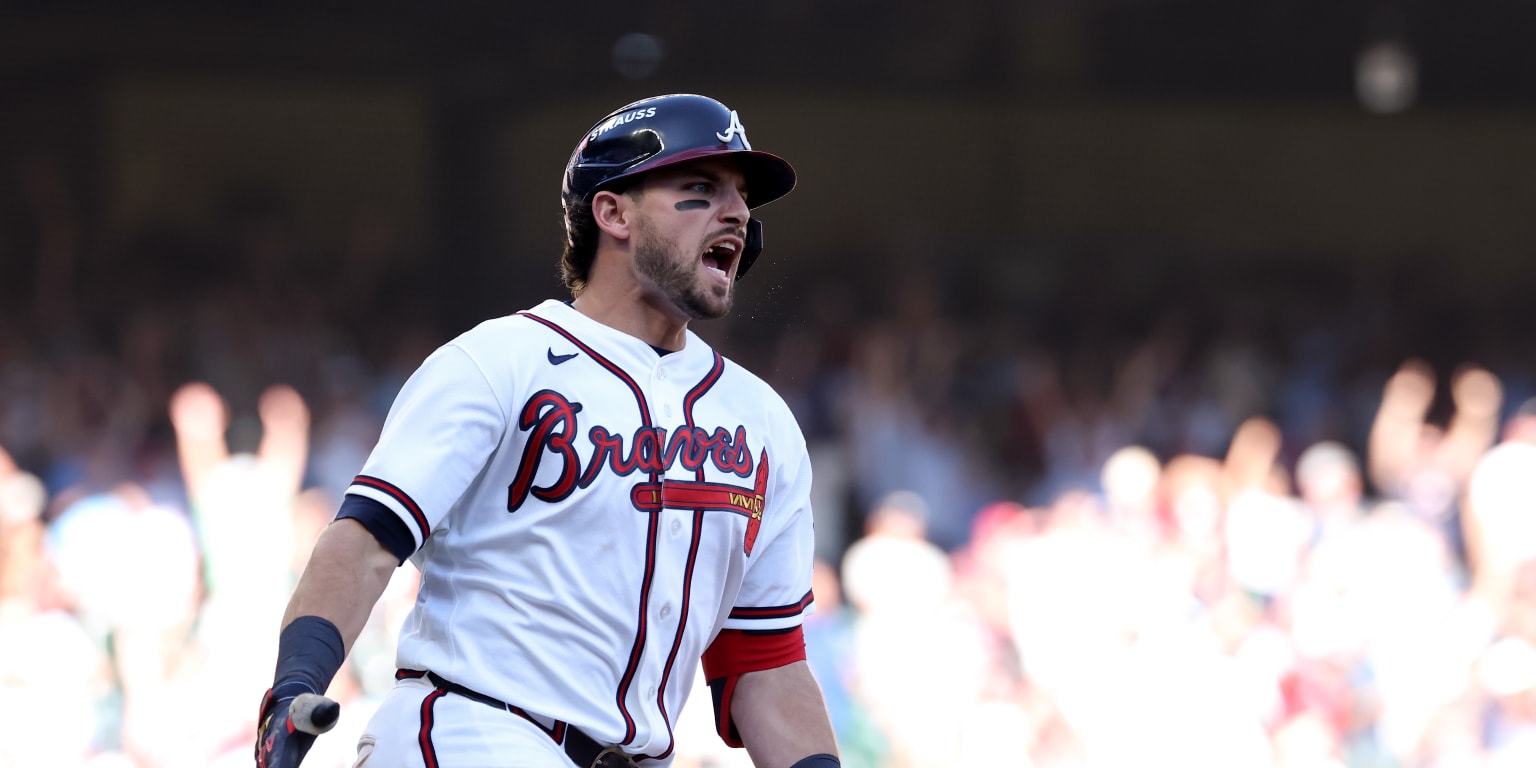
Austin Riley stepped into an eighth-inning fastball from Jhoan Duran on Tuesday and sent it opposite-field for a three-run homer that lifted the Braves past the Phillies 5-3 in Game 1 of the National League Wild Card Series at Truist Park. The swing handed Atlanta a 1-0 series lead in a format where teams holding that edge have advanced in 21 of 24 instances since the best-of-three Wild Card was introduced—an 88% conversion rate that compounds when you account for home-field advantage; the Braves are 1-0 at home in a best-of-three where sweeping the next two games at Truist would eliminate their division rival.
Riley's October moment carries weight beyond the scoreboard. The third baseman finished the regular season batting .219 with 19 homers and a .654 OPS—a funk that had calcified into a narrative of underperformance across six months of baseball. His go-ahead shot against Philadelphia marks the first time since October 9, 2023, that he has delivered a lead-altering homer in the eighth inning or later of a postseason game; he is now tied with Chipper Jones for the most such clutch blows in Braves history. The precision of the moment—two outs, bases loaded, against a closer brought in specifically to shut the door—suggests this was not a statistical outlier but a performer who has practiced closing sequences for years suddenly executing one that mattered.
Chris Sale's performance in front of Riley's heroics moved the needle in ways that stabilize Atlanta's pitching narrative going forward. The veteran left-hander struck out nine, pitched into the seventh inning for the first time in his postseason career, and allowed only one run through six innings. The Phillies scratched back into the lead in the seventh on a J.T. Realmuto triple off reliever Didier Fuentes, but Sale's outing—nine strikeouts, 95 pitches, extended innings without decay—signals that Atlanta's rotation is not hemorrhaging command or conviction at the October window when it matters most.
For the betting angle: a team trailing after two innings of a Wild Card series faces a 12% historical elimination rate. The Braves are not trailing. Riley's homer rewired the momentum calculus because it was not a solo shot or a tie-breaker; it was a lead-swinger against a closer in a high-leverage situation, which is the exact circumstance where postseason baseball historically inflates the favorite's equity. Game 2 on Wednesday will open with the Braves favored, and that line carries information: bookmakers are pricing in not just the result but the underlying quality gap Riley's bat just revealed. A team down 0-1 at home in a best-of-three must win two straight; the math does not favor that contingency. The over-under on the series duration is likely to settle at 2.5 games, and the Braves' 1-0 lead with the series shifting to the Phillies' park for Games 2-3 (if necessary) makes a Braves series moneyline a liability play for anyone chasing a correction on Atlanta's perceived weakness from the regular season. Riley did not erase the .219 average in one swing, but he did erase the team's deficit in a format where deficits convert to elimination with mechanical regularity.
MLB Intelligence — Baseball intelligence beyond the box score. Open MLB Intelligence →