MLB · milestone
Mattingly's Seventh-Inning Duran Gambit Backfires in Phillies Wild Card Loss
The Phillies manager deployed his elite closer in an unconventional spot to avoid the postseason trap of watching star relievers unused—but one softly hit infield single and a three-run homer unraveled the strategy.
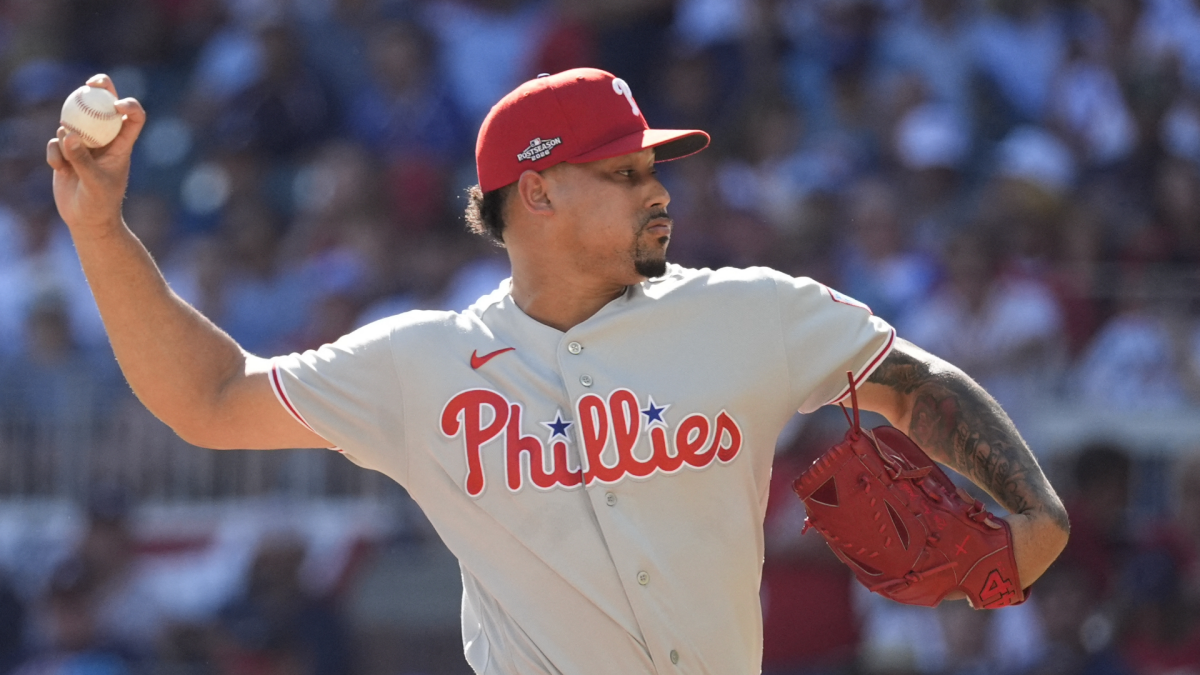
The Phillies fell to the Braves 5-3 in Game 1 of their Wild Card Series on Tuesday, September 24, with the loss turning on a single decision in the middle innings. After J.T. Realmuto's two-RBI triple had given Philadelphia a 3-2 lead in the seventh, Don Mattingly handed the ball to closer Jhoan Duran—a move that screamed unconventional the moment it happened. Duran, one of baseball's most dominant relievers in the regular season, had worked exclusively in the ninth inning all year. He'd never taken the mound in the seventh during the 2026 season, and only twice in all of 2025 (once in the regular season, once in the playoffs) had he worked that inning at all.
Mattingly's logic was defensible. The Braves had their cleanup hitters due up with the top of the order cycling back into play—a situation the Phillies had identified beforehand as a spot to deploy their best stuff. "If we were at the top, we were getting to the top, go seventh, eighth," Mattingly explained after the game. The strategy itself wasn't reckless: get the dominant closer through two innings with a manageable pitch count, then reassess for the ninth. Duran worked efficiently through the seventh, throwing just 11 pitches. But the eighth inning exposed how thin the margin is between bold and broken. After recording two outs, a softly hit ground ball from Michael Harris II—clocked at just 85.5 mph—found a seam in the infield for a single. Duran then hit Ozzie Albies with a pitch, setting up Austin Riley, who connected for a three-run homer that swung the game 5-3 in Atlanta's favor.
The real tension isn't whether Mattingly should have pulled Duran after Harris reached (he was already over 20 pitches at that point, facing the dangerous Riley with two outs), but whether the entire deployment strategy carries a hidden cost in elimination-format baseball. Mattingly acknowledged the counterfactual afterward: if Duran had navigated both innings cleanly and efficiently, he'd have asked the closer to stay in for the ninth. The manager was essentially asking Duran to function as a multi-inning weapon, not a save-situation specialist. This breaks from orthodox closer usage but reflects a specific postseason truth—teams that bench their best reliever in hopes of a save opportunity often watch from the sidelines as games slip away. Britton and Kimbrel became cautionary tales for a reason. Mattingly chose to deploy rather than preserve.
For bettors, this loss crystallizes an edge worth tracking: early-round playoff games involving teams with elite but unconventionally deployed closers carry execution risk that standard season-long metrics don't capture. Duran's regular-season dominance is real, but his pitcher overs on multi-inning outings or save-situation props carry hidden variance because his workload profile changes in October. The Harris single—a 85-mph dribbler that found grass—is the kind of noise that haunts small-sample playoff series, but Duran's unfamiliarity with seventh-inning work and the sudden demand to stay fresh across 25+ pitches in a non-traditional role created a fault line. If Duran pitches again in this series, monitor his pitch count closely. Mattingly is unlikely to back off the multi-inning strategy after this failure; that kind of manager conviction tends to double down, not retreat. Duran save odds, multi-inning exit odds, and pitches-thrown props on his next appearance should reflect that operational change, not just his dominant regular-season surface numbers.
MLB Intelligence — Baseball intelligence beyond the box score. Open MLB Intelligence →