MLB
White Sox Lock in Postseason Roster: Heavy Pitching Investment Signals Bullpen-Heavy Series Strategy vs. Astros
Chicago's 26-player Wild Card roster emphasizes depth on the mound over bench versatility, with seven right-handers and five lefties reshaping how bettors should price both team totals and pitcher strikeout props in today's Game 1.
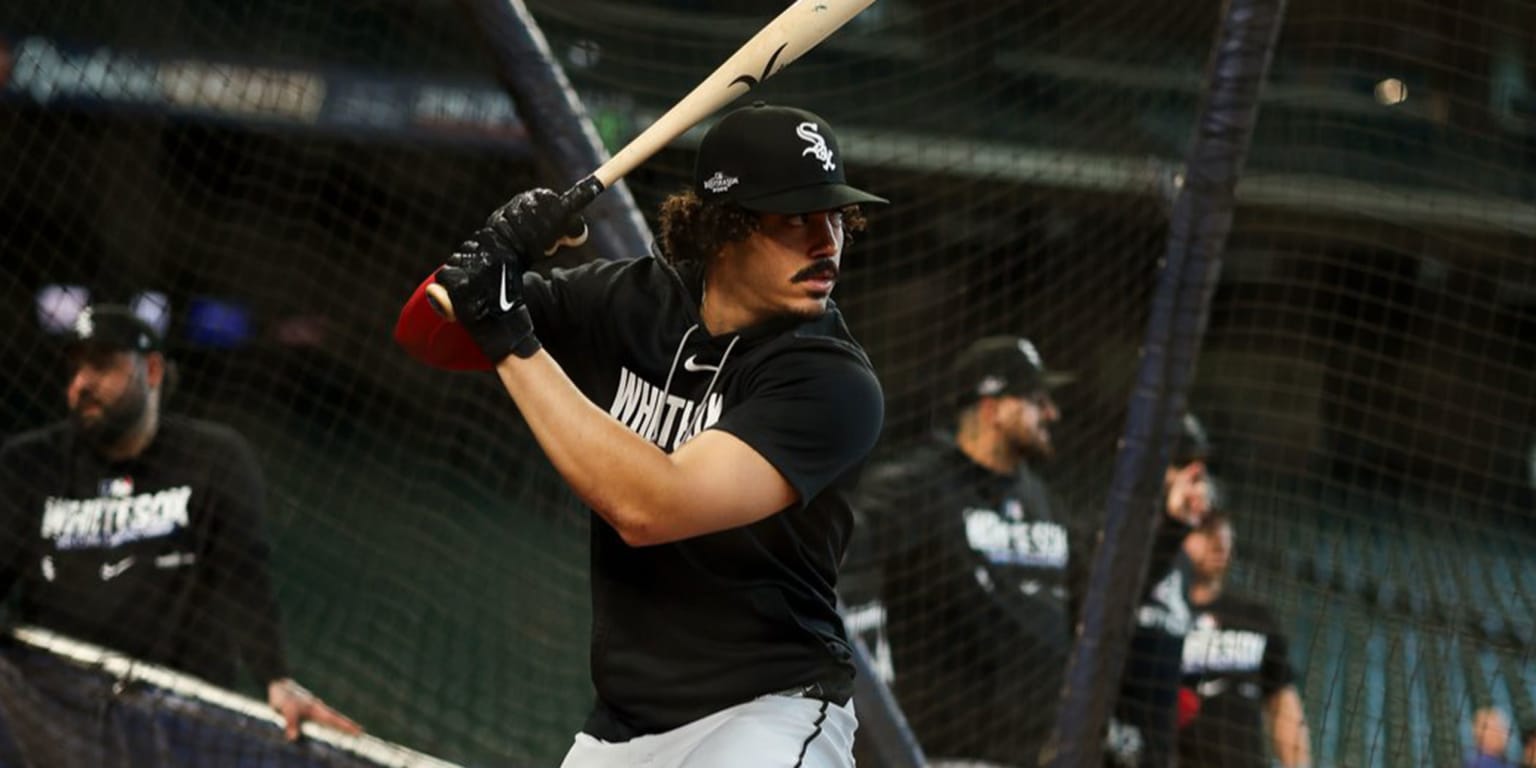
The Chicago White Sox announced their 26-player roster for the American League Wild Card Series against Houston today, prioritizing pitching depth in a format where usage is fluid and matchup leverage compounds across three games. Twelve arms — seven right-handers (Huáscar Brazobán, Sean Burke, Erick Fedde, Jordan Hicks, Davis Martin, David Sandlin, Grant Taylor) and five lefties (Bryan Hudson, Anthony Kay, Sean Newcomb, Noah Schultz, Hagen Smith) — consume 46% of the roster, a structural commitment that reveals Chicago's offensive limitations and reliance on piggy-backing and bullpen bridges.
This is not idle depth. The ratio signals that White Sox brass expects starter workloads to compress and leverage situations to multiply. In a five-game wild card format, teams often burn multiple high-leverage arms in Game 1 and Game 2 if the series breaks wrong, then scramble with usage patterns in Game 3. By front-loading 12 arms, Chicago is pre-committing to a strategy: use Fedde (or another starter) for 4-5 innings, then hammer Houston's lineup with fresh bullpen arms once the heart of the order turns over. That structure directly constrains strikeout prop ceilings for individual relievers (fewer innings pitched per appearance) but elevates the volatility of team strikeout totals depending on which relievers get called.
The position player mix — five infielders (Luisangel Acuña, Chase Meidroth, Colson Montgomery, Munetaka Murakami, Miguel Vargas), seven outfielders (Sam Antonacci, Andrew Benintendi, Brenton Doyle, Randal Grichuk, Braden Montgomery, Tristan Peters, Tommy Pham), and two catchers (Jake Rogers, Kyle Teel) — leans defensive and flexible over offensive punch. Benintendi, Grichuk, and Pham form a thin starting outfield; the depth bench (Antonacci, Doyle, Braden Montgomery, Peters) suggests Chicago expects to rotate aggressively or is banking on matchup flexibility if a reliever-heavy game flows narrow. Vargas, Montgomery (Colson), and Murakami give the lineup some middle-order thump, but the overall composition lacks the star tier (elite designated hitter, proven cleanup slugger) Houston will field.
Bettors should size team totals with caution. Chicago's 26-man construction implies management expects tight, low-run games where pitching depth overmatches offensive firepower — a bullpen-heavy format favors the pitching-deep team in run prevention. If oddsmakers hang White Sox team total at 4.0 or higher for Game 1, the roster construction argues for unders; if the line sits 3.5 or lower, the edge softens because the market has already priced the offensive ceiling. The real angle emerges if Game 1 stretches into extras or a bullpen-heavy affair: White Sox strikeout prop totals (if available as a team stat) will drift higher because Chicago will deploy multiple relief appearances in succession, driving strikeout rates per inning. Individual reliever K props should be faded or sized down because workload compression — a direct consequence of this 12-arm strategy — limits per-appearance strikeout ceiling.
MLB Intelligence — Baseball intelligence beyond the box score. Open MLB Intelligence →