Murakami's First-Inning Blast Reclaims AL Central Lead for White Sox
By Ty Whitney ·
A three-run homer off Framber Valdez in the first inning vaulted Chicago back atop the division with nine games left, but the underlying stat pattern suggests the breakout moment may matter less than what precedes it.
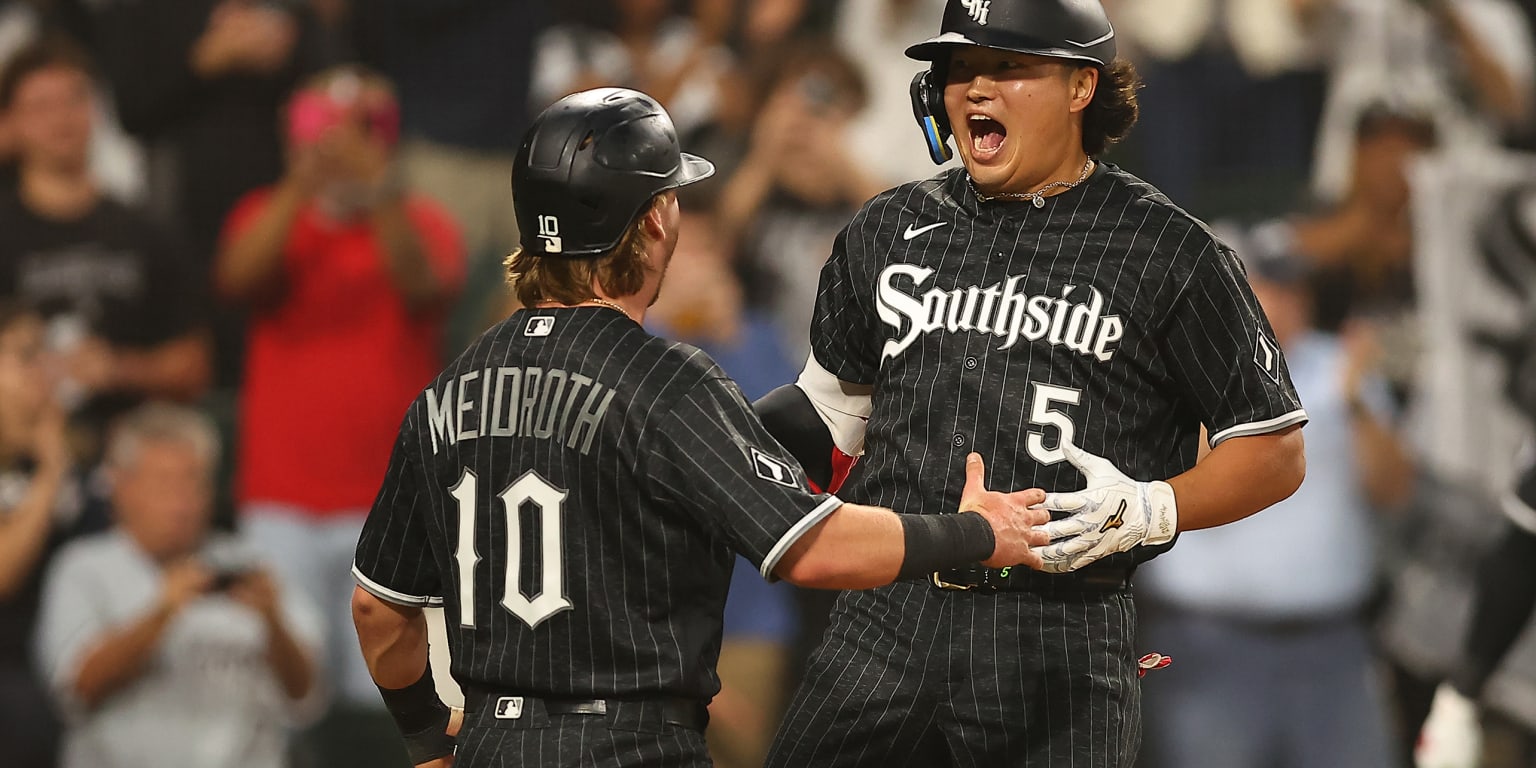
Munetaka Murakami's 423-foot center-field drive in the opening frame was enough. The White Sox beat the Tigers 3-1 Thursday at Rate Field and claimed first place in the AL Central—tied with Cleveland on head-to-head tiebreaker advantage with nine games remaining. It was the kind of narrative beat that animates September baseball: the slump-breaker, the hero's swing when the team needed it most.
But context matters. Murakami had been a problem all month. Since August 1, he was hitting just .130 (20-for-154) with 77 strikeouts and only two homers across 154 plate appearances. In September specifically, he was 5-for-52 with six RBIs—a 96-point drop in batting average from his season mark. His All-Star credentials (32 homers, 68 RBIs) obscure a player caught in a months-long mechanical or pitch-recognition crisis. One three-run homer doesn't erase that.
The White Sox leaned on their pitching staff to survive. Erick Fedde surrendered one run over 4⅔ innings with six strikeouts; Bryan Hudson entered in the fifth with runners in scoring position and struck out Riley Greene to escape. Grant Taylor finished the job in the seventh against Dillon Dingler. The game's outcome tilted on defensive execution—Javier Báez never threw to first on Randal Grichuk's one-out grounder in the first, a breakdown that would have ended the inning before Murakami's at-bat. Detroit's sloppiness handed Chicago the margin.
For prop bettors, the immediate question is whether Murakami's power return signals a sustained shift or a high-variance outlier. The mechanics matter here: he was 20-for-154 with a 50% strikeout rate since August 1. One home run—even a 423-footer—doesn't rewire a two-month pattern of swing-and-miss against fastballs. Monitor his strikeout rate prop (currently around 1.2-1.4 K per game) in his next 3-4 games. If he reverts to the August-September rate of 77 Ks in 154 PA (50%), the homer was a blip, and unders on his strikeout total remain exploitable. If he stabilizes closer to his April-July clip (38-40% K rate), the trend is genuinely shifting. The White Sox are back in first, but Murakami's slump-busting moment is a statement about Chicago's pitching depth and Detroit's mistakes, not yet evidence of an offensive reset.