MLB · roster-move
White Sox Clear Roster Space With Rock's DFA, Activate Rogers Behind Plate
Chicago opens a 40-man spot to claim catcher Jake Rogers off waivers, moving left-hander Joe Rock to the assignment pile.
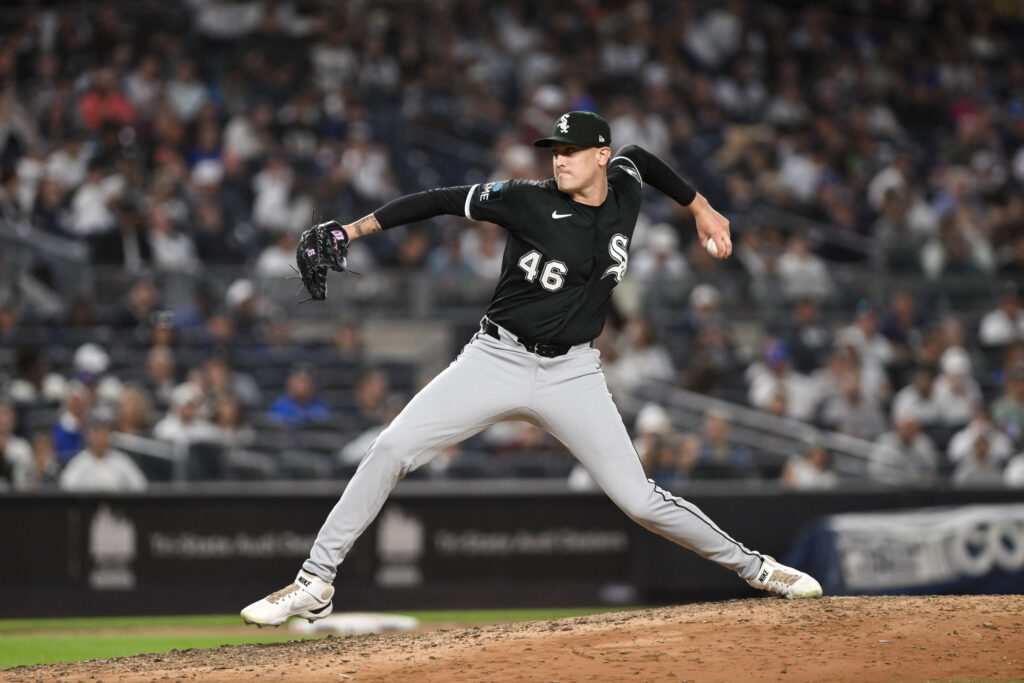
The White Sox designated left-hander Joe Rock for assignment Friday, clearing a 40-man roster spot to activate recently claimed catcher Jake Rogers. The move is organizational triage—Rock, an older relief arm, loses his seat while the front office prioritizes catching depth and roster flexibility heading into the final six weeks of the season.
Rock's DFA signals where Chicago's construction priorities sit. A lefty reliever nearing the back end of his career doesn't command the kind of organizational capital needed to hold a 40-man slot when roster crunch arrives. The decision to waive and claim Rogers instead reflects a calculated bet that catching availability matters more than a long-relief option the team already has redundancy for. When a front office makes that trade-off in August, it's reading the room: the season is what it is, and depth charts are being redrawn with an eye toward playoff rosters or next year's payroll.
Gilbert, another relief arm also in the organization's bullpen ecosystem, apparently survived the cut. That survival tells you something about how Chicago values its relief corps internally—some arms carry more roster priority than others, and Rock didn't make the cut. For bettors, this type of bullpen churn matters less for immediate prop impact than for understanding team construction. Rock wasn't regularly appearing in high-leverage spots; his absence won't shift White Sox bullpen totals meaningfully. But roster moves like this one are breadcrumbs of organizational intent. When a team starts cutting veteran arms and claiming catching depth, it's preparing for multiple futures at once—some involving injury contingency, some involving different personnel philosophy going forward.
The betting takeaway is modest. Rock's DFA doesn't move the needle on White Sox team totals or individual reliever props in any material way. He wasn't a featured arm in Chicago's win probability architecture. However, Rogers' activation could matter for opposing teams' offensive profiles if he catches with notably different framing or game-calling than the catcher he replaces. If Rogers takes on significant playing time against right-handed heavy lineups, teams facing Chicago should monitor whether their strikeout rates shift—a new catcher voice can influence pitcher sequencing and command execution, particularly early in his tenure with a staff. That's the secondary angle: Rogers becomes a variable in Chicago's pitching ecosystem that wasn't there yesterday.
MLB Intelligence — Baseball intelligence beyond the box score. Open MLB Intelligence →