MLB · injury
Rays Trade for Dunn as Williamson Heads to IL; Matz Returns to Bolster Rotation
Tampa Bay swaps prospect depth for immediate infield help while welcoming back a veteran arm, signaling a mid-season reset in pitching usage and lineup construction.
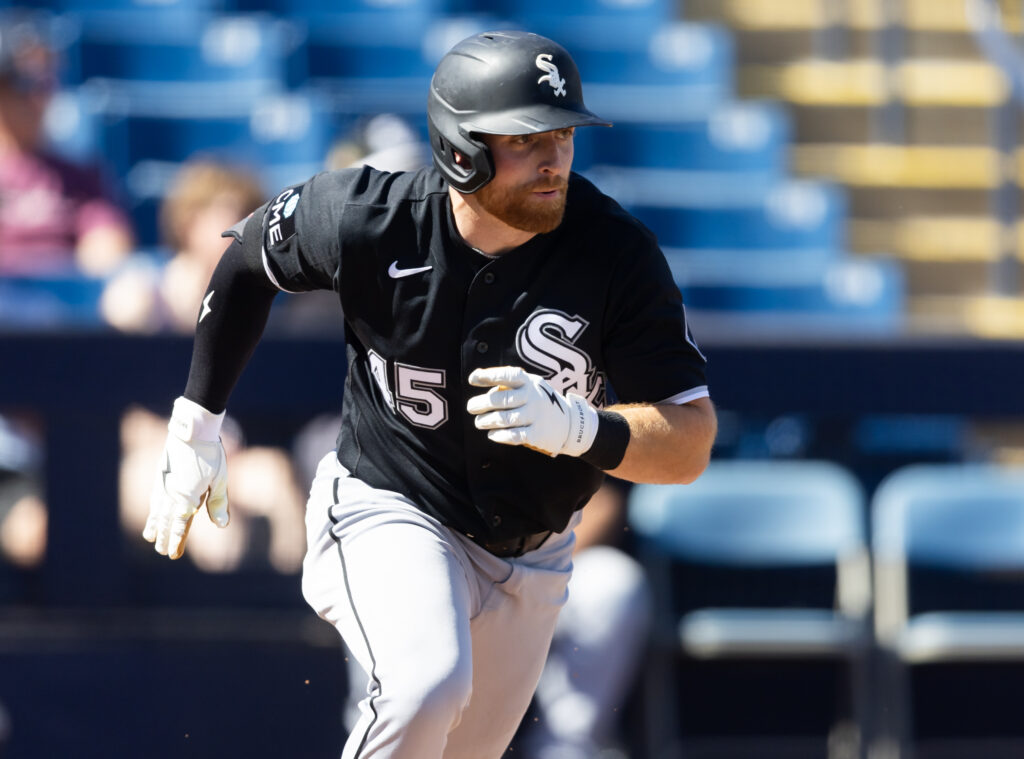
The Rays acquired infielder Oliver Dunn from the White Sox in exchange for left-hander Joe Rock, immediately promoting him from Triple-A Durham to fill the roster spot vacated by Ben Williamson, who landed on the 10-day injured list with a lower back strain. In the same transaction window, Steven Matz returned from the 15-day injured list and will start today, while righty Chase Solesky was optioned down to Durham. The moves represent a calculated triage of roster depth: the Rays traded away controllable pitching youth to gain an established position player with immediate eligibility, while restoring a veteran starter to an overextended rotation.
Dunn's promotion signals Tampa Bay views him as more ready for major-league plate appearances than recent depth options, though the context matters—the White Sox deemed him movable at this moment, which hints at either a crowded organizational depth chart in Chicago or a specific role the Rays identified that suits his profile better. Without seeing Dunn's underlying batted-ball data or plate discipline metrics from his Triple-A stint, the edge here lies in monitoring whether his deployment (pinch-hitting, platoon duty, or everyday reps) correlates with the type of pitcher he'll face. Lower-back strain injuries to position players are notoriously variable in recovery time; Williamson's 10-day absence could extend depending on inflammation and movement patterns, creating short-term roster fragility.
Matz's return is the more concrete roster lever. A veteran left-hander with a track record of durability when healthy, his reinstatement compresses the gap between Tampa Bay's primary rotation and its emergency depth—a bullpen-strain mitigation play. His start today is the first data point; track his pitch velocity relative to his pre-injury average and his fastball location consistency. If he's throwing 92-94 mph and holding his line, the Rays signal confidence in his immediate availability for multiple innings. If velocity sits 1-2 ticks below baseline, expect a short leash and a spike in bullpen workload for the next week.
From a wagering lens, Matz's return shapes today's game total and first-five-innings pricing. A returning starter—especially one recovering from a shoulder or arm injury—typically shows elevated walk rates in his first appearance back. His command edges are less sharp, and opposing hitters often get earlier-count fastballs they can sit on. If Matz is starting and the market hasn't yet priced in a 0.5–1.0 BB elevation on his outing, the over on his walk total represents a persistent edge until he logs 2–3 appearances without an outlier spike. Monitor his pitch mix relative to pre-injury tendencies; if he's abandoning his secondary stuff in favor of fastball-heavy counts, opposing teams will hunt early fastballs, driving the walks line higher still.
Dunn's impact on team total overs is noise-level unless the Rays immediately slot him into a power position in a favorable matchup—a low-probability event mid-roster transaction. His real betting utility is as a watch for spot plays: if Dunn is used in a pinch-hitting or designated-hitter role against a specific pitcher type (e.g., soft-tossing lefty, pitch-to-contact righty), his plate discipline and exit-velo profile against that subset becomes actionable. For now, treat this as a roster stabilization, not an offensive injection. The edge, if it exists, is timing Matz's command regression in his first week back and fading overs on his strikeout and earned-run totals until his mechanics re-establish baseline efficiency.
MLB Intelligence — Baseball intelligence beyond the box score. Open MLB Intelligence →