MLB · injury
Detroit Calls Up Rainey as Bullpen Depth Play; Late-Season Roster Churn Signals Injury Risk
The Tigers promoted 33-year-old right-hander Tanner Rainey from their minor league system, a move that exposes Detroit's thin relief depth as August winds down.
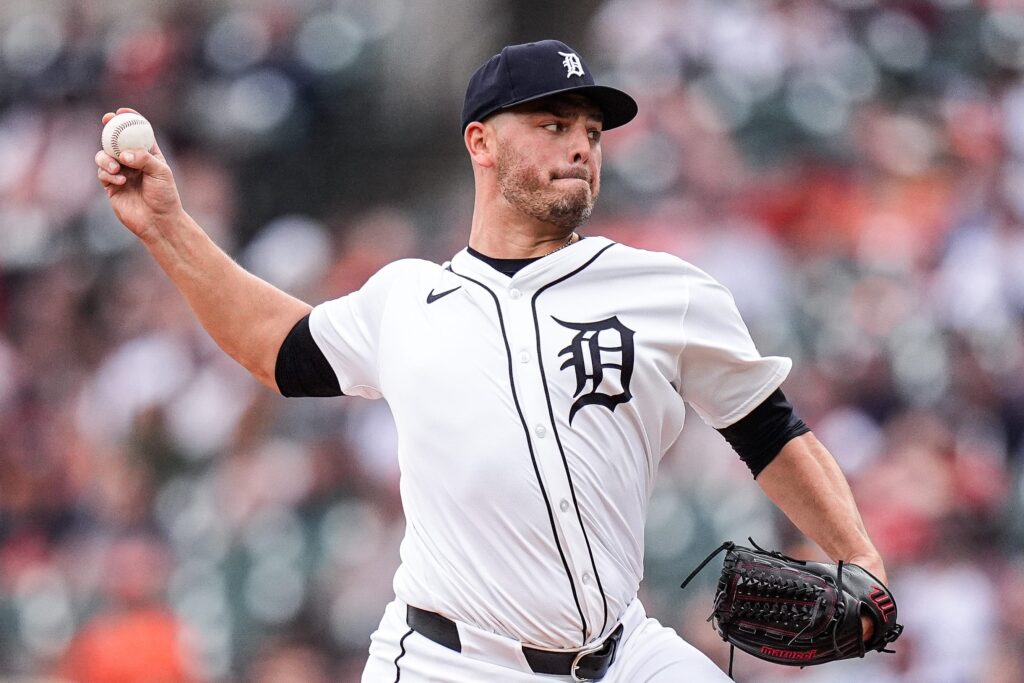
Detroit selected the contract of right-hander Tanner Rainey on Tuesday, promoting him to the active roster as a replacement for left-hander Enmanuel De Jesus, who landed on the paternity list. Rainey, 33, had been on a minor league deal with the organization since last summer—a year-long audition that yielded enough confidence to activate him now, even as the Tigers navigate the back half of August.
The mechanics here matter for roster construction: De Jesus's absence is temporary by definition, which means Rainey's spot is functionally short-term. The Tigers had a 40-man roster vacancy to work with, so no one else had to be moved. That's the administrative clearance. But the real signal is what prompted the need for a fresh arm in the first place. Late-summer bullpen callups—especially of veteran journeymen on minor league deals—typically indicate either (a) injury attrition in the current relief corps, or (b) performance deterioration that's forced Detroit's hand on depth usage. Rainey hasn't pitched in the majors since 2022, a three-year absence that adds some execution risk to his presence on the mound.
For Detroit's pitching profile, this is a cautionary tell. If the Tigers are dipping into last-year's minor league signings to staff the final six weeks, their relief core is either depleted or underperforming. Either way, the burden on the remaining healthy arms—and the starting rotation—increases. Bullpen fatigue tends to cascade onto team totals as the season tightens, because games become more dependent on late-inning execution and matchup decisions rather than early dominance.
Rainey's strikeout rate in his last major league stint (2022) sat around 7.8 K/9, a modest number that positions him as a mid-leverage or situational piece rather than a swing-and-miss solution. His presence doesn't materially upgrade Detroit's whiff rate or backend shutdown capacity. What it signals instead is roster thinness—the kind that tends to correlate with increased vulnerability in close games down the stretch. Teams that are forced to cycle in depth arms of this vintage usually see their team total volatility increase, because the margin for error compresses when you're not cycling through premium strikeout talent.
For bettors, the pragmatic read is that Detroit's bullpen situation bears watching over the next week. If Rainey gets meaningful leverage innings (not just garbage time), it suggests the injury list is deeper than publicly stated, or the primary relievers are being managed conservatively. Either condition typically shows up in team total overs becoming higher-variance propositions—the offense may still produce, but the ability to lock in games early becomes less reliable. The Tigers' remaining August schedule will test whether this is a one-off depth move or the first domino of a bullpen crunch that carries into September.
MLB Intelligence — Baseball intelligence beyond the box score. Open MLB Intelligence →