MLB · transaction
Ryan's Scoreless Debut Signals Detroit's Pitching Depth Beyond Verlander's Final Act
The Tigers' deadline acquisition from Los Angeles delivered three clean innings Monday, hinting at a rotation capable of sustaining itself once Verlander exits the stage.
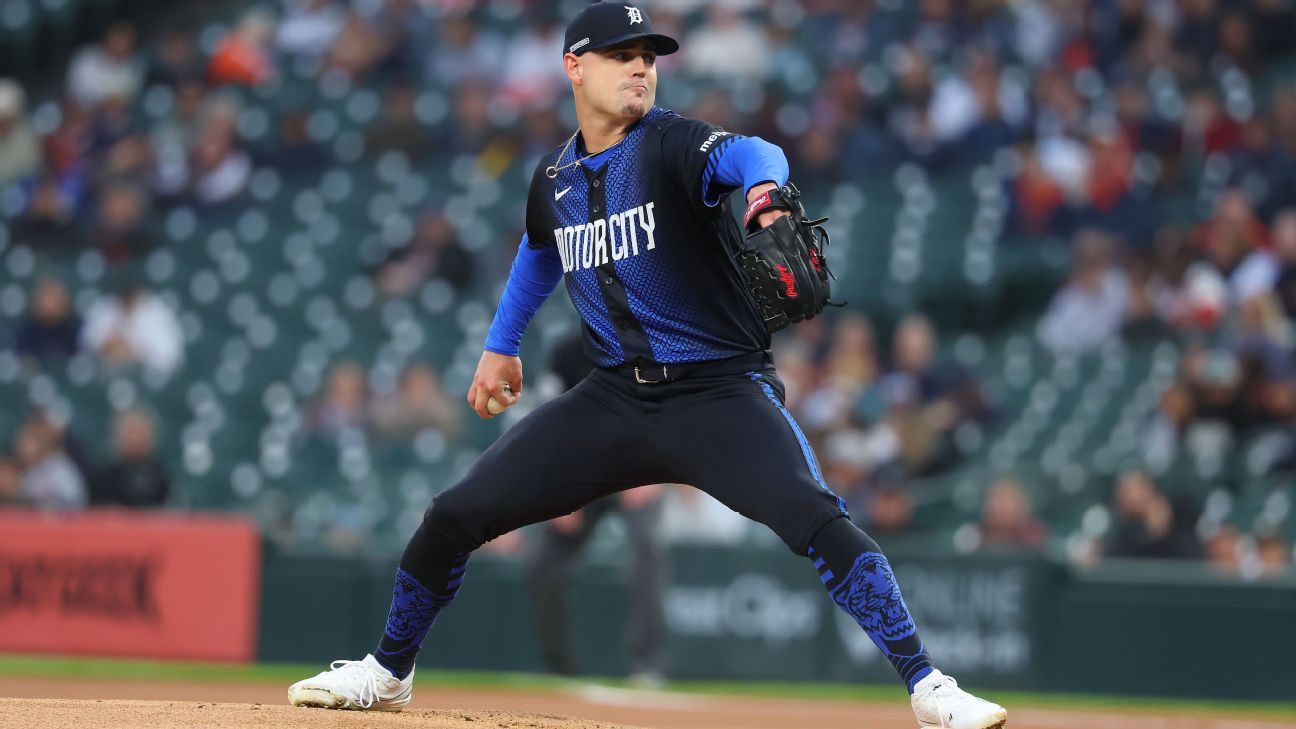
River Ryan took the mound at Comerica Park Monday night and moved through three scoreless innings in his Detroit debut, allowing two hits and a walk while striking out two. The 25-year-old right-hander, acquired from the Los Angeles Dodgers as the centerpiece of the Tarik Skubal trade, gave the Tigers a sharp performance in a 9-2 rout of Washington — a particularly meaningful outing given that Detroit was eliminated from playoff contention just 24 hours prior.
Ryan spent most of this season trapped behind Los Angeles's elite rotation, a circumstance that limited his major league reps despite his prospect pedigree (ESPN ranks him No. 51 overall). The Dodgers' depth created opportunity cost for Ryan; the Tigers, facing a different organizational calculus, saw a controlled-arm pitcher with upside as worth the price of moving Skubal. In three innings Monday, Ryan threw strikes (two walks in three innings suggests some command variance, but the strikeout-to-walk ratio itself isn't alarming for a short appearance), induced weak contact, and did not allow a run. That performance matters less for Detroit's immediate postseason picture — they're out — and more for what it signals about their pitching foundation heading into 2027.
The timing is instructive. Justin Verlander is scheduled to make his final major league start Sunday, the day after Ryan takes another turn. The narrative arc is obvious: aging ace departs, young arm steps in. What's less obvious is whether Ryan's arm is developed enough to anchor anything. A three-inning relief outing against a Nationals team that just gave a nearly two-year injury return (DJ Herz, coming back from April 2025 Tommy John surgery) to a starter is not a high bar. Ryan allowed contact at a manageable rate and didn't walk the bases loaded, but one appearance tells you almost nothing about his capacity to hold up as a starter over 150+ innings or maintain command over a 30-start stretch.
For prop purposes, this matters in a very narrow band: if Ryan makes another start before the season ends and you're evaluating strikeout volume or earned run props, Sunday's appearance against Washington becomes your only live comp data. The market will price him as a volatile, high-variance arm — elevated strikeout juice on early-week numbers (people anchor to the two-K outing), but also willing to lay chalk on ER props given the short sample and the unknown. The real edge, if one exists, is available only if a sportsbook hasn't adjusted for the fact that Ryan's velocity and stuff profile suggest he's more likely to strike out 5-7 than 2-3 going forward, but a three-inning audition hides that. If he gets a Sunday start and the lines treat him like a lottery ticket (low K totals, high ER lines), the strikeout prop becomes exploitable — not because the outing was dominant, but because it was too short to reflect his true repertoire.
The larger lesson: Detroit's rotation ceiling doesn't depend on Ryan's development anymore, but it's worth noting that the organization has at least attempted to build insurance policy behind a declining Verlander. Whether that insurance matures is a 2027 question. For this week's card, Ryan is a name to monitor for mispricing, nothing more.