MLB
Verlander's Final Act at Comerica: A Competitive Farewell Muddies the Outcome
Justin Verlander takes the mound Saturday for his 557th and final MLB start with minimal preparation and maximum competitive intent, creating unpredictable leverage for Detroit totals.
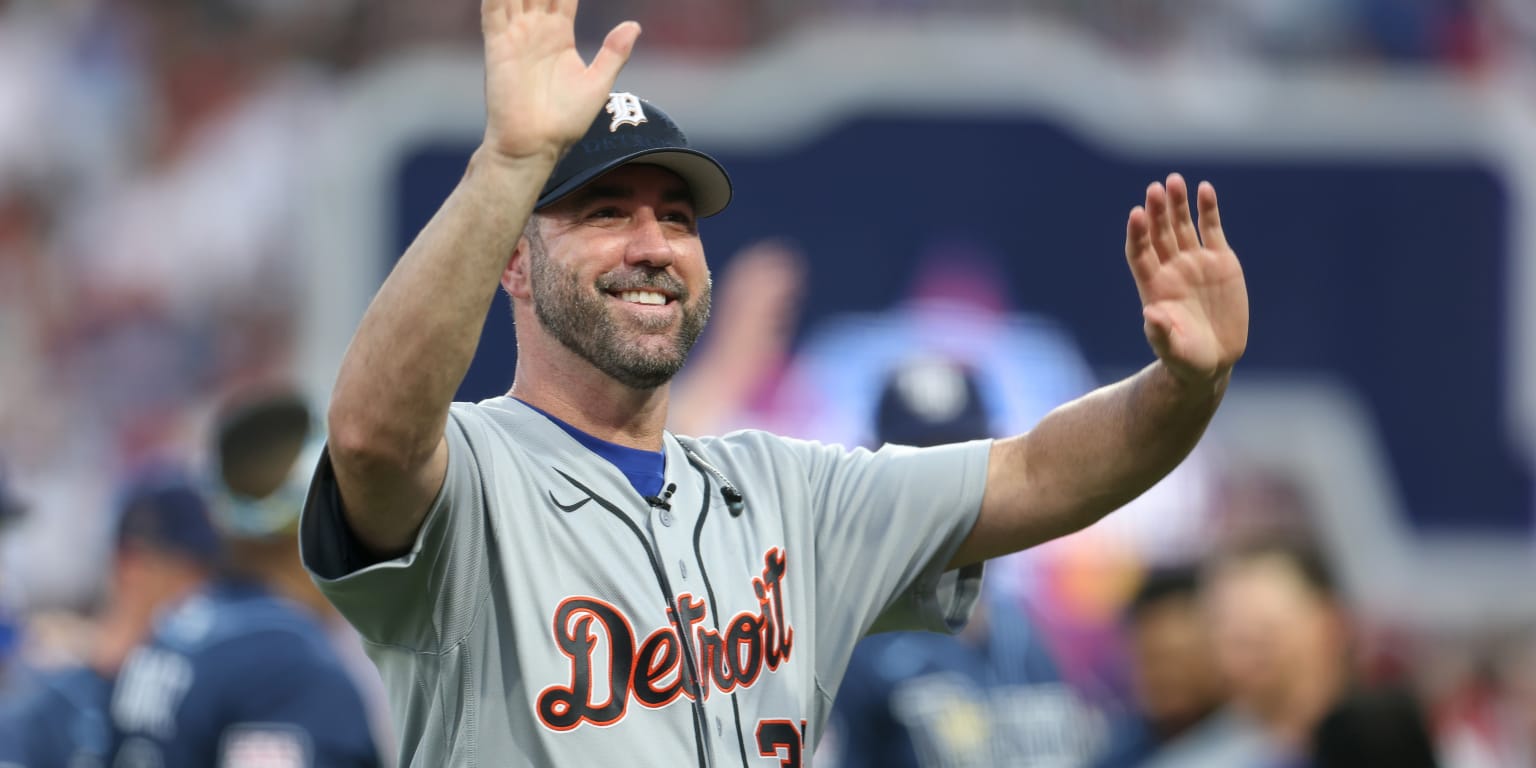
Justin Verlander will pitch his last game Saturday at Comerica Park against Pittsburgh—a homecoming sendoff he's envisioned since signing with Detroit in February 2025. The 43-year-old has missed nearly the entire 2026 season with left hip inflammation that evolved into a hamstring strain, sidelined since late March. His Tuesday between-starts session in the Tigers bullpen was the final clearance before what amounts to a one-start farewell with no rehab games and minimal arm conditioning.
Here's where the narrative and the reality diverge for bettors. Verlander has made clear to manager A.J. Hinch that he won't accept a ceremonial one-inning appearance—he wants a competitive outing with a genuine shot at winning. That competitive intent is the same fire that defined his Hall of Fame trajectory. But the physical constraint is severe: he hasn't thrown in a game since March, has skipped traditional ramp-up steps to make this start, and carries no safety net because any injury can heal in retirement. The Pirates won't roll over, and Verlander won't ask for special treatment. What we're really looking at is a 43-year-old throwing on fumes against major-league hitters in a game that matters to him emotionally and competitively.
The Tigers' total has inherent bifurcation risk. Verlander's competitive identity suggests Detroit will be playing for him—late-inning pressure at-bats, aggressive baserunning, defensive intensity. Teams historically perform better when the narrative is their star's farewell, and the home crowd at Comerica will amplify that effect. But Verlander's actual pitching output is a question mark with a wide error band. His stuff is unknown after six months of inactivity. He could pitch three innings of quality baseball and hit a wall, or he could surprise with deeper innings. The Tigers' ability to generate runs independent of Verlander's performance becomes the real lever. Against a middle-tier Pirates lineup, Detroit's supporting cast (which has carried the load all season) should function normally, but the absence of reliable information about Verlander's workload creates volatility around game flow and bullpen usage.
For prop purposes, this is a single-event angle with high variance and asymmetric outcomes. Unders on the Tigers team total face a structural advantage: Verlander's short leash (whether 3, 4, or 5 innings) limits the game's natural offensive momentum, and any early Tigers lead could prompt A.J. Hinch to lean on a deep bullpen. Overs on Detroit's total depend on the team generating offense across a full nine innings with reduced Verlander innings contributing value. The Pirates' total has similar compression—they'll face an unprepared Verlander early, but the Tigers' bullpen depth could tighten later. The moneyline is where the narrative premium emerges: Detroit will be heavily favored both on the Comerica crowd effect and the sentimental weight, but the actual predictive model (an under-prepared 43-year-old pitcher) suggests the line is wide.
This angle expires at first pitch Saturday. The market will likely price in heavy Tigers favor on the moneyline, heavy over-under compression, and home-field sentiment. The only durable edge is that bettors chasing the narrative (a fitting farewell, a last competitive stand) will overweight the sentimental outcome and underweight the mechanical risk of a six-month absence. The safest approach is to fade the public side of the emotional narrative—which likely means leaning unders on the Tigers total and taking Pittsburgh at longer odds as the contrarian mechanical pick.