MLB · roster-move
Strider and Waldrep Clear Throwing Threshold, But Braves' Rotation Remains Depleted Through October
Two months of uncertainty yield marginal progress for Atlanta's injured aces, but the path back to competitive innings remains measured in weeks, not days.
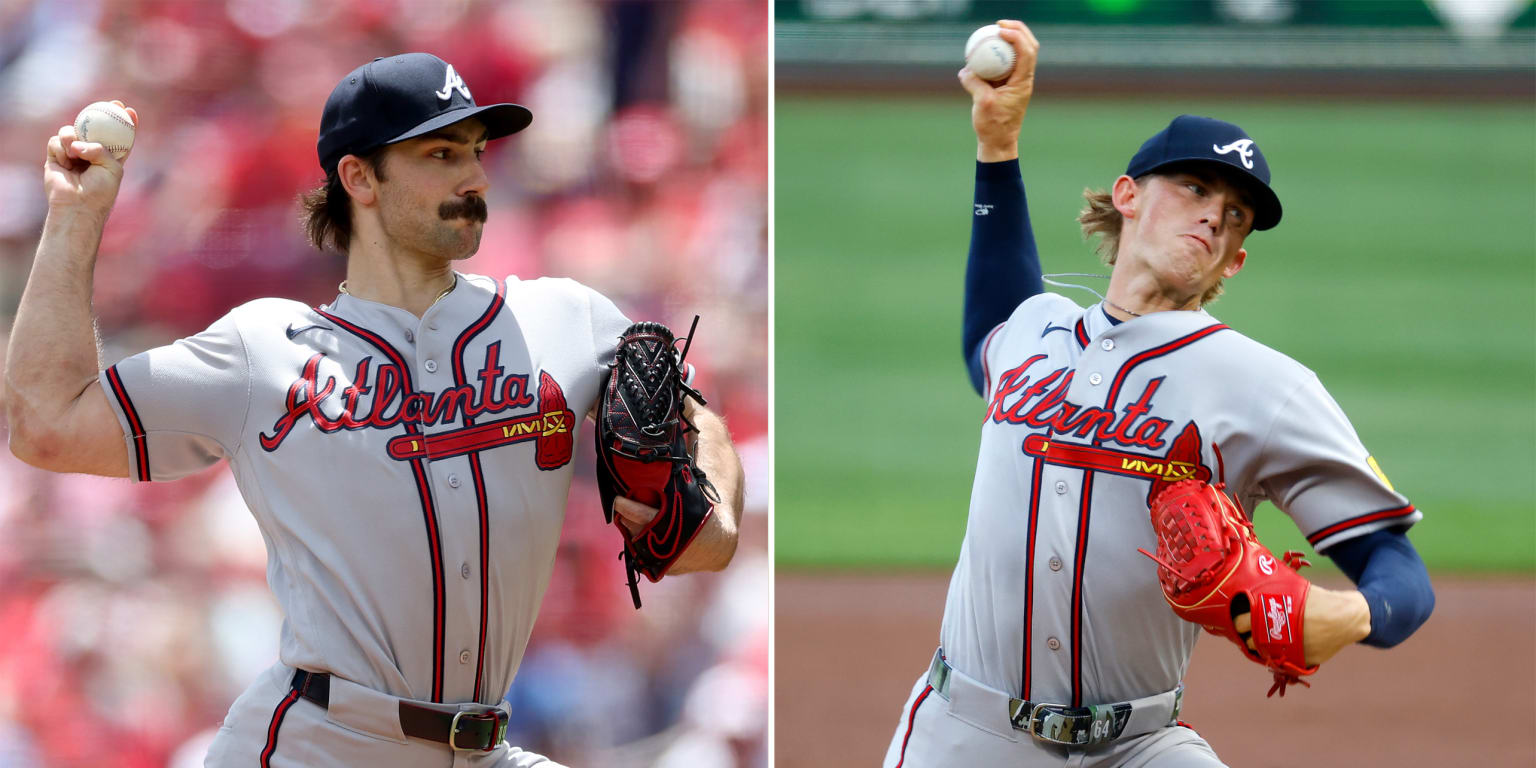
Spencer Strider and Hurston Waldrep have been cleared to begin throwing programs, Braves manager Walt Weiss announced Monday, marking the first tangible step forward for a rotation gutted by injury. Strider has been sidelined since June 12 with right elbow inflammation; Waldrep pulled himself from a Triple-A start on July 19 with arm discomfort. Neither pitcher is expected to contribute meaningfully to Atlanta's pennant chase, and Weiss made that calculus explicit: "I don't think you count on [them returning this year]." The clearance to throw, however, signals that neither injury requires season-ending surgery—a threshold that seemed genuinely uncertain two months ago.
The Braves' recent history with elbow rehab offers a sobering template for how slowly this unfolds. Spencer Schwellenbach underwent arthroscopic surgery in February to remove bone spurs from his right elbow. He entered his throwing program in June and, as of Monday, remains in Atlanta awaiting clearance to face live hitters at the team's Spring Training complex. Once he throws live batting practice—a milestone that may not occur for another week or two—he would need a rehab assignment that extends almost certainly into the first half of September. Schwellenbach's timeline suggests that even optimistic recovery trajectories don't compress into competitive innings within eight weeks. Strider and Waldrep are weeks behind that starting gun.
Context complicates any bullish read. Waldrep sought multiple medical opinions in recent weeks, suggesting at one point that season-ending surgery might be necessary. The clearance to throw came after a fresh evaluation, not a dramatic improvement in imaging. Strider's fog has been thicker: he saw Dr. Keith Meister on June 15 and was told to return for a follow-up in a month, but the Braves provided no update until Monday—a two-month gap that speaks to caution, not progress. Weiss acknowledged the nonlinear nature of recovery: "It's never linear. He's feeling good and the tests are positive." That's the language of cautious optimism, not confidence.
For Atlanta's betting markets, the implications are straightforward but worth separating from noise. The Braves' rotation depth remains compromised through the stretch run and playoffs. Grant Holmes (3.47 ERA) has benefited from developmental time in the system this season, but one competent starter does not offset the loss of two front-of-rotation arms. Atlanta's team total sits in the mid-3.80s for September, and the lack of rotation certainty creates a persistent ceiling on win probability. If you're evaluating Braves totals in September or into October, you're buying into a bullpen-dependent offense facing longer relief outings and thinner lineups. The throwing clearance is clinically positive; it's not a betting positive for the next 60 days.
Waldrep and Strider may yet toss meaningful innings in 2026—the season extends through late September, and injuries do occasionally accelerate—but the market should price them as October optionality, not September availability. Fade any narrative that treats the throwing program clearance as a near-term return signal. The next real milestone is live batting practice, and that's likely still weeks away.
MLB Intelligence — Baseball intelligence beyond the box score. Open MLB Intelligence →