Braves Have the Arsenal to Deal, but Skubal's Math Doesn't Work
By PropBetEdge Editorial Team ·
Atlanta's prospect depth and payroll flexibility create a trade-deadline opening, but the upside on a likely rental doesn't justify the cost.
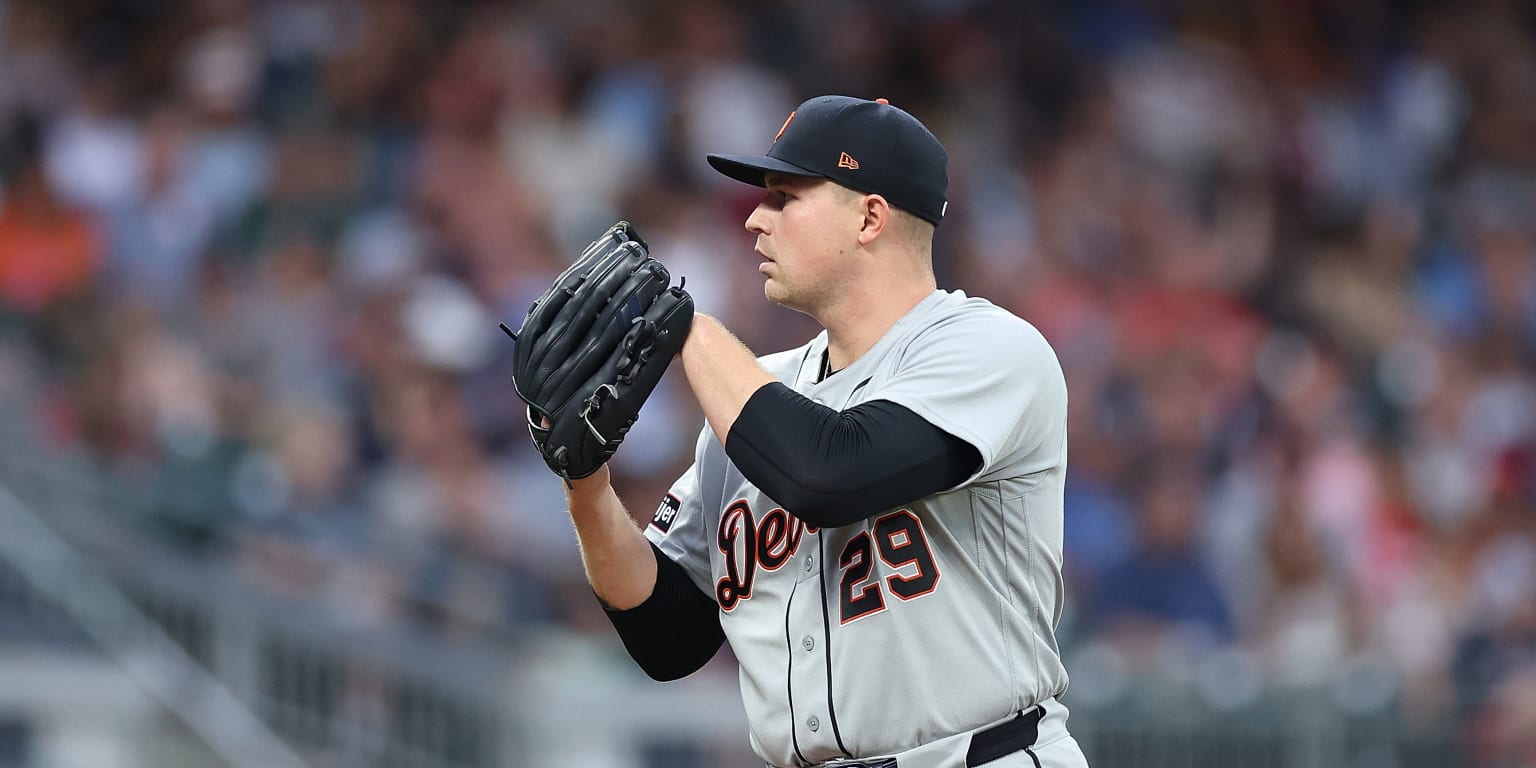
The Braves' front office has positioned itself to acquire a top-tier arm before the August 3 Trade Deadline, with farm-system depth that rivals anything they've assembled since 2017 and financial room to absorb a star pitcher's salary. The question isn't whether they can make a move—it's whether Tarik Skubal's specific profile makes sense as the target.
Skubal is undeniably elite: a two-time AL Cy Young Award winner coming off a NanoScope procedure on his left elbow to remove a loose body. He began a rehab assignment Sunday and could rejoin Detroit's rotation within a week. The Tigers, sitting at 27-39, have begun the inevitable slide into fire-sale territory. On paper, this is the kind of opportunity a contender usually pounces on. But the math reveals why prudence matters more than desperation.
Skubal's contract structure creates a leverage problem. He will almost certainly hit free agency in November, where agent Scott Boras will market him aggressively to a full field of suitors. Any extension offer the Braves make before the deadline competes against that open market, which means Atlanta either overpays for security or watches their rental expire after two months of the regular season plus playoffs. Skubal's probable ask—five-plus years at $40-50 million annually, possibly higher—demands a long-term commitment to a pitcher who will be 30 before he signs. That's the wrong bet for a front office thinking clearly. The Tigers will demand a package of two or more top-ten prospects just to negotiate. Caminiti, Ritchie, Southisene, and the rest of the system have value precisely because they're pre-arbitration cost-controlled assets. Trading two of them for two months of a likely rental inverts the risk profile: you're surrendering years of controllable depth for a sprint to October.
Where the Braves actually have an edge is in their existing rotation. Chris Sale and Bryce Elder form a legitimate 1-2 for October. Spencer Strider has shown early signs of stability after returning from injury. Hurston Waldrep is within weeks of activation, and Spencer Schwellenbach remains in the pipeline. The market is fixated on the headline acquisition—Skubal, or Michael Wacha, or Reid Detmers—but Atlanta's internal optionality is being underpriced. A bullpen upgrade or a depth starter acquired for mid-tier prospects carries far better risk-adjusted value than an overextension for a free-agent-to-be.
For bettors, this philosophy translates to a tactical edge: the Braves' pitching depth entering October will be stronger than preseason models suggest, because they're unlikely to deplete the farm for a headline name. That means their postseason rotation depth is already baked into public projections of their Series odds, but the probability of a Game 4 or Game 5 appearance leaning on Sale, Elder, and Strider with Waldrep as a wild card is undervalued. Watch for line movement on Braves World Series futures if they make a quiet, conservative deadline move rather than a blockbuster. The market will interpret restraint as weakness; it's actually pragmatism.