Braves' Pitching Depth Collapse Narrows Trade Deadline Leverage
By Erik Schwartz ·
Spencer Strider and Hurston Waldrep's elbow injuries have evaporated Atlanta's cushion to move top prospects—and shifted the calculus on whether to sell Strider himself.
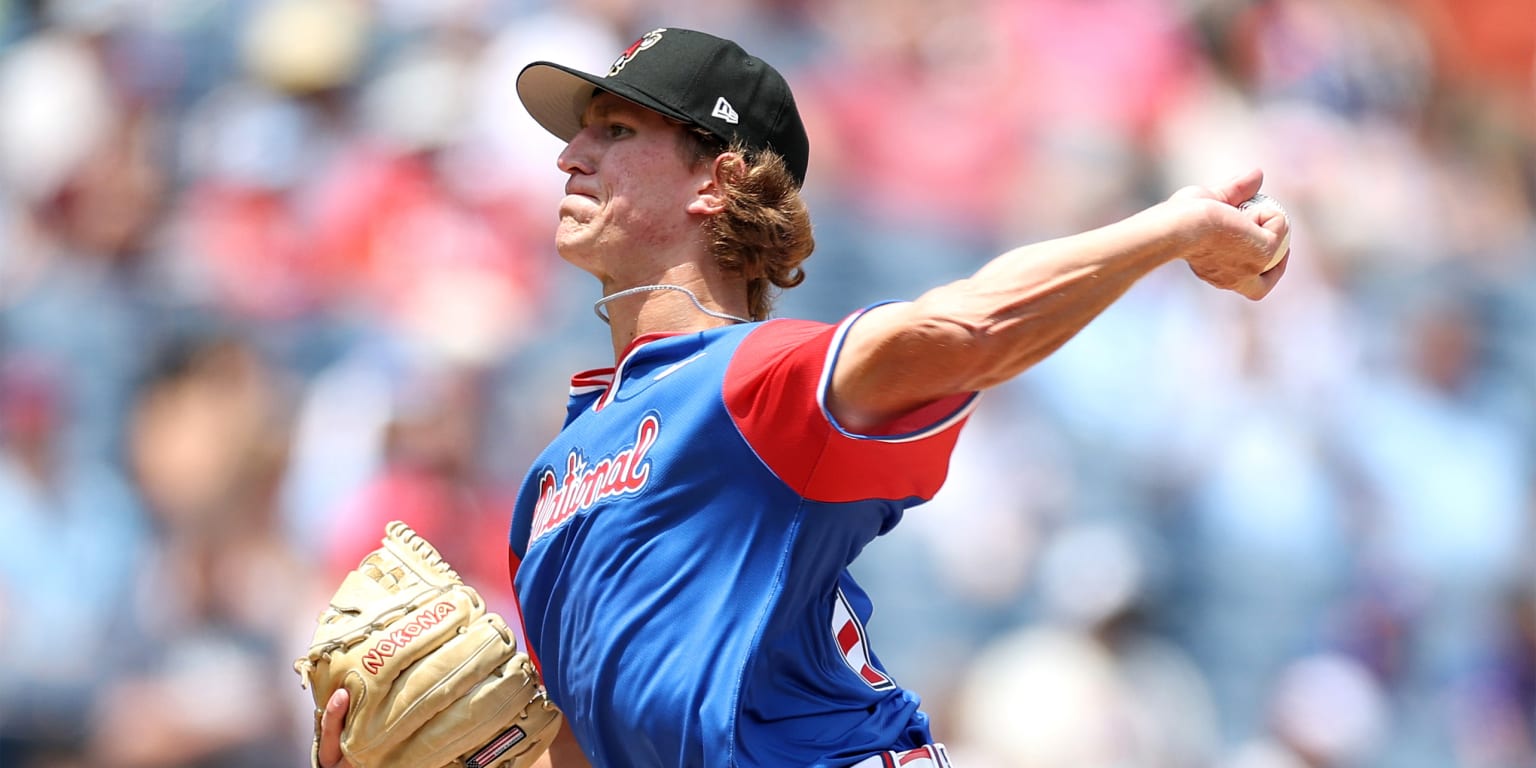
The Braves face a narrowing window to reshape their roster before Monday's 6 p.m. ET trade deadline, complicated by a cascade of elbow injuries that has dismantled their pitching prospect pipeline. Spencer Strider exited a start on June 12 with right elbow inflammation; the club announced a four-week evaluation window on June 15, but as of late Wednesday offered no update. Hurston Waldrep, meanwhile, was shut down after right elbow discomfort forced him out of a Triple-A appearance on July 19, just weeks after undergoing surgery to remove loose bodies from the same joint in April. Both represent near-total losses to Atlanta's depth calculation, and the silence from the front office suggests neither timeline is improving.
The injury timing is brutal. Cam Caminiti (MLB's 41st-ranked prospect, Braves No. 1) and Hartman (74th overall, Braves No. 2) were positioned as premium trade chips—the kind of controllable, young arms that contenders pay top dollar for. But any team acquiring them now does so with full knowledge that Atlanta's internal depth has cratered. Spencer Schwellenbach, who missed the final three months of 2025 with a fractured right elbow, was cleared to accelerate his rehab this week, but his own bone-spur complications cost him an Opening Day roster spot earlier this year. The core rotation—Chris Sale, Bryce Elder, and AJ Smith-Shawver—represents the only stable footing. The prospect class behind them has been hollowed out by injury.
This context reframes Strider himself as a potential trade asset, though with caveats. Six weeks of whispers suggest he won't pitch as a starter this season, and possibly never again. The Braves would absorb a significant portion of his $66 million, three-year deal to move him, and any acquiring team assumes genuine medical risk. But from Atlanta's perspective, trading an injured, contract-heavy pitcher who may transition to relief and freeing payroll might make more sense than watching their prospect depth erode further through prospect sales that command diminished returns. The calculus is grim: do you sell Strider at a discount to a contender willing to gamble on his health and new role, or do you hold and hope his return addresses the rotation gaps created by Waldrep and Schwellenbach?
For bettors, this injury cluster has immediate implications for Atlanta's rotation workload and volatility. With Strider likely unavailable and Waldrep's status murky, the Braves will rely on a tighter rotation core under deadline pressure—either acquired arms or internal fill-ins. That concentration of usage on Sale, Elder, and Smith-Shawver increases innings risk and fatigue variance, particularly in a late-season push. Any pitching acquisition by Atlanta before Monday will command a premium because the market knows they're buying out of necessity, not position. Conversely, the Braves' willingness to move prospects at a discount (or absorb Strider's salary) to avoid further depth depletion signals a team managing down expectations rather than chasing a title run. Monitor the caliber of return they get for any outgoing prospects; weakness there confirms that the depth crisis has already priced in.