MLB
Kimbrel to Kansas City: Experience Over Dominance as Royals Gamble on Bullpen Depth
Craig Kimbrel's arrival gives the Royals a veteran arm, but his degraded stuff and Kansas City's late-season positioning create a narrow prop-betting window before the market recalibrates.
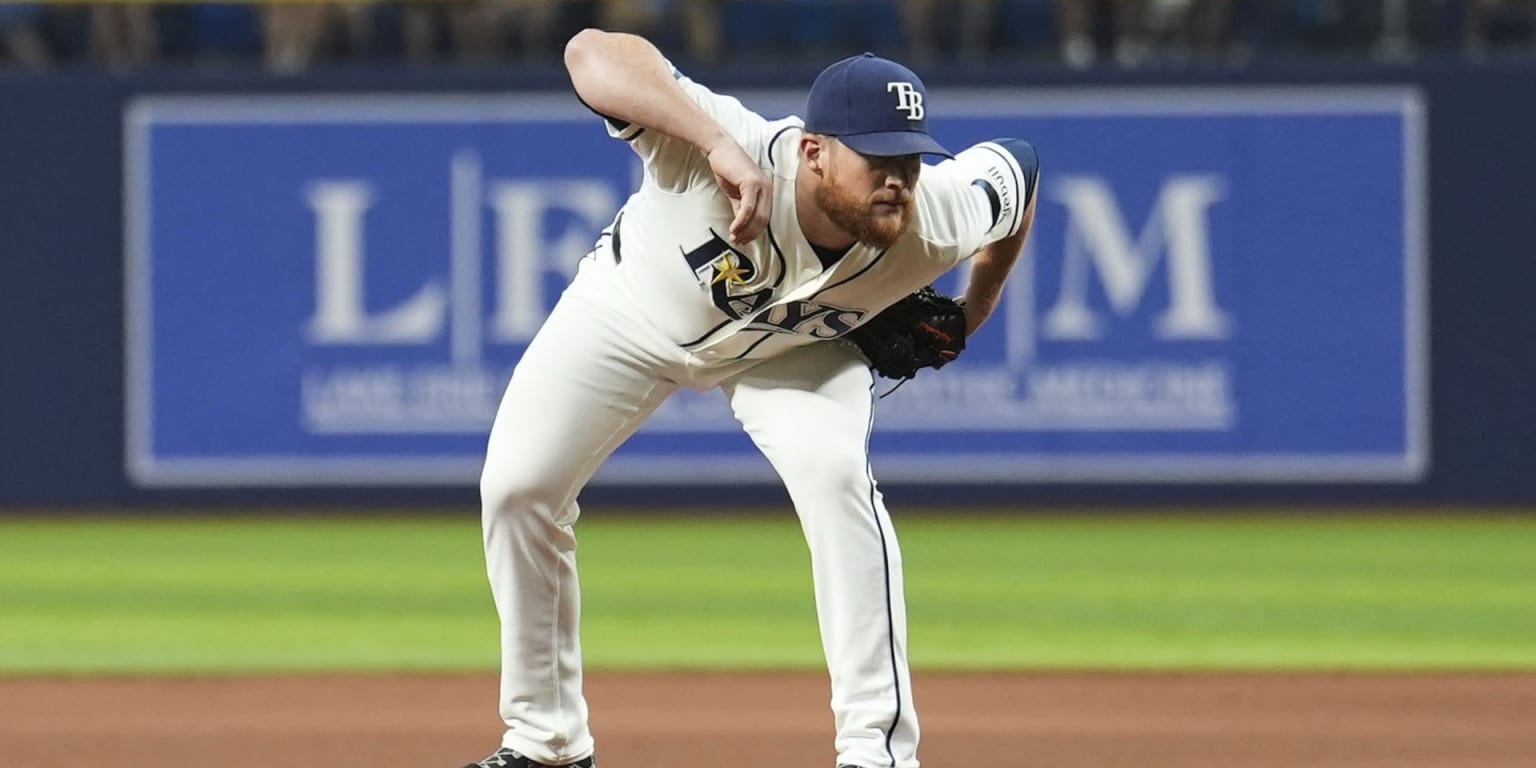
The Royals signed 38-year-old Craig Kimbrel on Sunday with the expectation he'd be active in their bullpen by Monday, plucking the future Hall of Famer off waivers after Tampa Bay designated him for assignment following the Trade Deadline. It's a textbook depth move—one borne of necessity. Kansas City's bullpen ERA sat at 5.32 entering Saturday, second-worst in baseball, and the team just moved reliever Daniel Lynch IV to the rotation, creating immediate depth pressure heading into September.
Kimbrel brings legitimate pedigree to a thin roster: 440 career saves (fifth all-time), a nine-time All-Star, 2018 World Series ring, and two reliever-of-the-year awards across both leagues. But the 17-season veteran has become a different pitcher. His strikeout rate has collapsed to 22.2% this year, down from the 40% clip that defined his peak. His walk rate sits at 11.1%, and since 2024 he carries a 4.78 ERA across 104 appearances for four different teams. At age 38, bouncing to his 12th organization in 17 seasons, Kimbrel is a warm body with name recognition, not a dominant force.
The timing matters for bettors. Kansas City's bullpen usage pattern will shift immediately—Kimbrel will draw leverage innings and potentially save opportunities, especially in non-competitive spots or blowouts where the team wants to preserve younger arms. His strikeout prop will attract sharp action based on his career reputation, not current stuff. Early linemakers will likely shade his K totals higher than his 22.2% K-rate this season warrants, anchored to his historical profile. The market will price in the narrative ("legendary closer joins contender") faster than it absorbs the mechanics (an aging arm whose fastball effectiveness has eroded).
Properly calibrated, Kimbrel's strikeout total over his first week in Kansas City represents a fade opportunity. If his line opens at 4.5-5.5 strikeouts per appearance, that reflects peak-Kimbrel expectations. Against a Royals bullpen hemorrhaging 5.32 ERA and a front office clearly prioritizing quantity over quality at this stage of the season, Kimbrel will see elevated usage. But elevated usage doesn't fix diminished stuff. His walk rate and contact rates suggest he'll generate outs via inducement (ground balls, weak contact) rather than overpowering hitters. The narrative recalibration happens within 48-72 hours—one or two appearances without explosive strikeout numbers will force linemakers to reprrice downward. The edge is timing-sensitive and single-event in nature.
MLB Intelligence — Baseball intelligence beyond the box score. Open MLB Intelligence →