MLB · milestone
Jensen's Ninth-Inning Homer Ends Rays' Near-Perfect Bid; Kimbrel's Late-Game Vulnerability Resurfaces
Carter Jensen's two-run blast off Craig Kimbrel in the ninth inning Thursday broke up Tampa Bay's combined no-hitter, exposing the Rays' closing-inning struggles in a 13-2 loss.
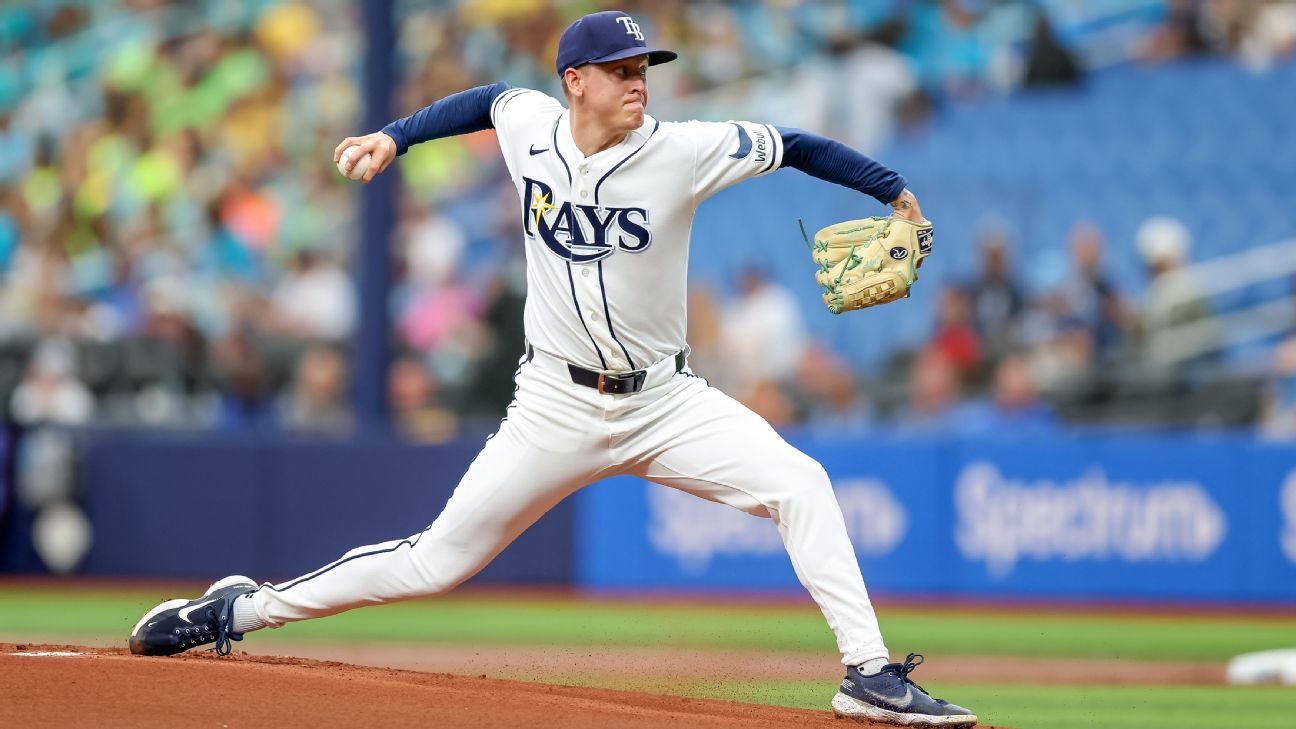
The Tampa Bay Rays came within three outs of a combined no-hitter against Kansas City on Thursday before Carter Jensen drove a two-run homer off closer Craig Kimbrel in the ninth inning. The Rays' bid fell apart in the final frame after Starling Marte drew a walk on a full count, then Jensen connected with one out to end the shutout in what had been a 13-0 game.
The no-hitter attempt itself—built on a dominant four-inning opener by Casey Legumina and a seven-strikeout performance from Ian Seymour—illustrates Tampa Bay's arsenal strength. That the Rays held Kansas City without a hit through 8⅓ innings despite a dominant offensive output (Junior Caminero contributed three home runs and six RBIs) speaks to their pitching depth. But the ninth inning tells a different story. Kimbrel, entering the frame to nail down the save in a blowout, surrendered the decisive long ball on a fastball to Jensen, a professional hitter who makes his living on elevated fastballs in the zone.
Kimbrel's ownership of that moment is worth isolating. The veteran closer, now in his mid-30s, has spent years as one of baseball's most dominant saves-situation pitchers, but the late-career pattern is familiar: reduced velocity, elevated walk rates in tight spots (Marte's full-count walk preceding Jensen's homer), and occasional exposure on mistake pitches. Kimbrel finished a combined no-hitter for the Cubs against the Dodgers on June 24, 2021—five years ago—and has logged thousands of saves since. His fastball location in ninth-inning situations, particularly against teams willing to hunt elevated heat, has become more exploitable. The Rays' pitching depth masked this vulnerability for 8⅔ innings; Jensen capitalized on it when it mattered.
From a betting standpoint, this game reinforces a pattern worth tracking: when teams build massive early leads (13-0 through eight innings), late-inning pitching tends toward complacency or conventional approach. Kimbrel, facing a blowout ninth, likely operated without the same intensity that defines his closer role in tight contests. For Kansas City bettors, Jensen's at-bat represents a secondary-hitter exploitation of a closer's diminished urgency in a non-save situation. The Rays' pitchers retired the first 16 batters before Marte's walk; the ninth-inning collapse came not from sudden loss of stuff but from tactical letdown. Teams holding double-digit leads entering the ninth inning should see their closer's strikeout props compressed (fewer competitive pitches, more fastballs in the zone), while opposing hitters gain implicit permission to hunt. Kimbrel's strikeout line for this appearance likely fell well below his season average, a byproduct of leverage rather than skill decline.
Looking forward, the Rays' dominant pitching line (a combined no-hitter through 8⅔) should not overshadow the closer situation. Kimbrel's vulnerability in high-volume fastball counts remains, and that vulnerability surfaces most clearly when stakes matter least—blowout situations where the save is guaranteed. For prop players, monitoring Kimbrel's usage in games where Tampa Bay holds leads of five-plus runs late could reveal inflated strikeout or lowered innings-pitched lines that don't reflect his high-leverage capability.
MLB Intelligence — Baseball intelligence beyond the box score. Open MLB Intelligence →