MLB · callup
Sale's Postseason Redemption Arc Begins Tuesday; Sharp Bettors Should Exploit His Recent Elite Form
Chris Sale's 2.16 ERA this season ranks third in baseball, but his career postseason ERA of 7.24 across seven starts tells a different story—one the Braves and the betting market are both betting he's finally solved.
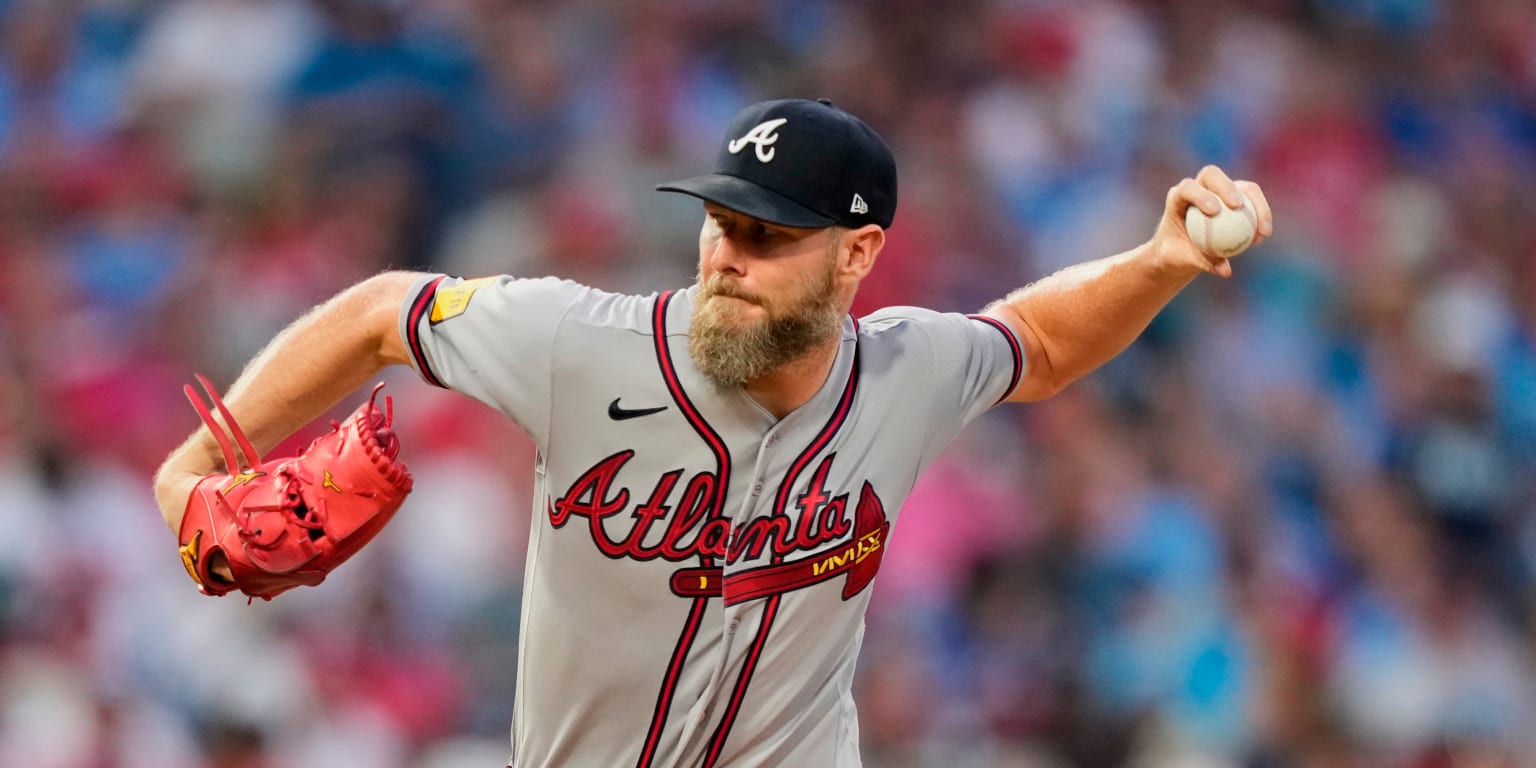
Chris Sale takes the mound for Game 1 of the National League Wild Card Series against Philadelphia on Tuesday afternoon, marking his first postseason appearance since 2021. The 37-year-old left-hander spent the better part of four years in limbo after the Red Sox gave up on him—151 innings across 2020-23, then a near-anonymous 2021 postseason cameo just two months removed from Tommy John surgery. Atlanta signed him before the 2024 season betting he could reclaim his stuff. They were right. This year's 2.16 ERA ranks third in MLB and represents the fifth-best seasonal mark by any Braves pitcher with 25-plus starts dating back to 1920. That's elite company and recent elite execution.
But here's the complication that shadows every Sale postseason line: his career playoff resume is a minefield. Seven previous postseason starts have yielded a 7.24 ERA. In 2017-18, he posted 6.87 across four October starts, allowing seven earned runs in one appearance and failing to get out of the fourth inning in two others. The 2021 experience, while mercifully brief, only reinforced the pattern. Even the most optimistic Braves fan has to acknowledge the gap between Sale's October history and his regular-season talent. The question isn't whether Sale can pitch; it's whether the postseason remains a different animal for him entirely.
What makes Tuesday's matchup analytically interesting is the opponent and the moment. Sale's final seven regular-season starts (2.36 ERA) came against four playoff teams—Yankees, Brewers, Dodgers, and the Phillies twice—plus the Diamondbacks, who nearly made October. He faced elite competition: Gerrit Cole, Jacob Misiorowski, Yoshinobu Yamamoto, Cristopher Sánchez, and Aaron Nola. That gauntlet matters because it's evidence of both his readiness and the quality of hitters he's prepared to face in the Wild Card. The Phillies lineup he'll see Tuesday—Bryce Harper, Kyle Schwarber, Nick Castellanos—doesn't represent a significant step up from what he's already thrown against in September.
For strikeout bettors, Sale's recent form creates a tension worth monitoring. His K/9 this season sits at 11.8, up from his career 10.4, suggesting his fastball still plays in October. Against right-handed-heavy lineups like Philadelphia's, his ground-ball rate (53.2% this year) becomes less relevant than his ability to put hitters away in the zone. The Phillies struck out 1,318 times in 2026 (22nd in MLB), making them neither vulnerable nor particularly disciplined. Where the edge emerges: Sale's strikeout prop will likely be priced to his career postseason underperformance, not his September dominance. Bettors still scarred by 2017-18 October collapses will lean under. The market hasn't fully reconciled that he's pitched 150+ innings against elite teams this year without collapsing. Tuesday's Game 1 likely opens with strikeout lines reflecting doubt rather than recent evidence.
The Braves' decision to start Sale—not a rotation mate—in a do-or-die game is itself a valuation signal. Walt Weiss, who caught Smoltz, Glavine, and Maddux in three straight playoff appearances as Atlanta's shortstop, doesn't hand a Wild Card game to a pitcher he doesn't trust absolutely. That institutional confidence should carry weight with prop bettors; it's the same confidence that would have benched Sale if September hadn't rebuilt it.
MLB Intelligence — Baseball intelligence beyond the box score. Open MLB Intelligence →