MLB · transaction
Cubs Reclaim Civale in Low-Risk Gamble; Rotation's Mid-Game Bullpen Bridge Gets a Reboot
Aaron Civale returns to Chicago after a rough stint in Oakland, but his value to the Cubs hinges entirely on whether they deploy him as a starter or a high-leverage relief arm.
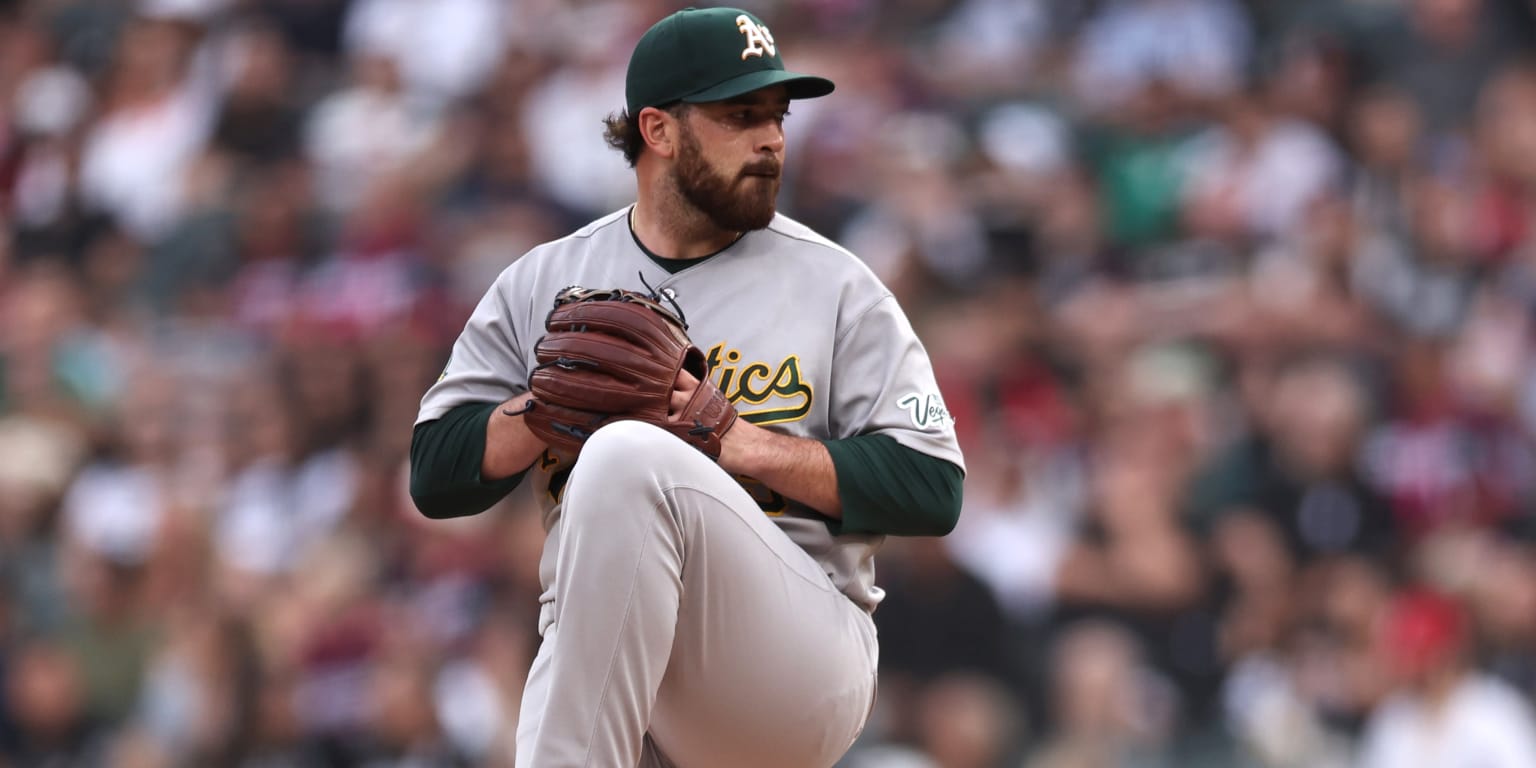
The Cubs acquired right-handed pitcher Aaron Civale from the Athletics on Saturday, trading minor league reliever Aiden Moffett and absorbing cash considerations to bring the 31-year-old back to a team that already knows his ceiling and floor. Civale is 5-7 with a 5.42 ERA through 16 games (15 starts) this season in Oakland—a sharp deterioration from his March-April run, when he posted a 3.23 ERA in six starts. The Athletics designated him for assignment Wednesday; the Cubs claimed him off waivers and moved quickly to make it official.
The narrative around Civale has calcified into a familiar shape: a career journeyman (48-51 lifetime, 4.26 ERA across six organizations) who has bounced from Cleveland to Tampa Bay to Milwaukee to Chicago to the White Sox and back again—all since 2023. His 2025 stint with the Cubs was his brightest recent chapter: 1-0, 2.08 ERA in five relief outings during the regular season, plus 4.1 scoreless innings in postseason play. That small sample mattered enough to buy him a one-year deal from Oakland in February. It didn't stick. What matters now is deployment context. Civale's road ERA sits at 3.86 (9 games, 9 starts, 46.2 IP); his home split is submerged. If the Cubs slot him into the rotation as a back-of-the-order starter for the remainder of the season, his fastball velocity and strikeout rate (8.7 K/9 career) will determine whether he's a salvage story or sunk cost. If they use him as a multi-inning relief option in high-leverage spots—the role where he succeeded last year—his workload and early-inning command become the critical variables.
From a betting lens, Civale's acquisition tells a story about the Cubs' rotation depth and their risk appetite this late in July. They're not paying premium prospects or major league salary; they're investing organizational chips in a reclamation project that can be cut loose if he implodes. That's the hallmark of a team hedging on performance, not expecting it. The market hasn't yet priced in how the Cubs will use him or whether his 2025 relief success was repeatable or a statistical mirage. His season strikeout rate in Oakland (8.7 K/9) aligns with his career (8.9 K/9), so regression to a higher ERA is not the issue—it's whether elevated home-run rate (1.4 HR/9 this year vs. 0.9 career) was a fluke or an early warning that his stuff has declined. If the Cubs deploy him in relief, where his 2025 numbers suggest he's effective, strikeout props for individual outings could carry edge early this week before the market recalibrates his role. If he starts, team total unders in his games carry elevated risk; a 5.42-ERA pitcher in the rotation, even as a temporary fix, will allow runs at a predictable clip.
MLB Intelligence — Baseball intelligence beyond the box score. Open MLB Intelligence →