Athletics Rotation in Freefall: Severino's Shoulder Strain Leaves Oakland's Pitching in Deeper Trouble
By Justin Erickson ·
Luis Severino's shoulder injury compounds an already fragile Oakland rotation, forcing the Athletics to navigate an extended absence without their ace.
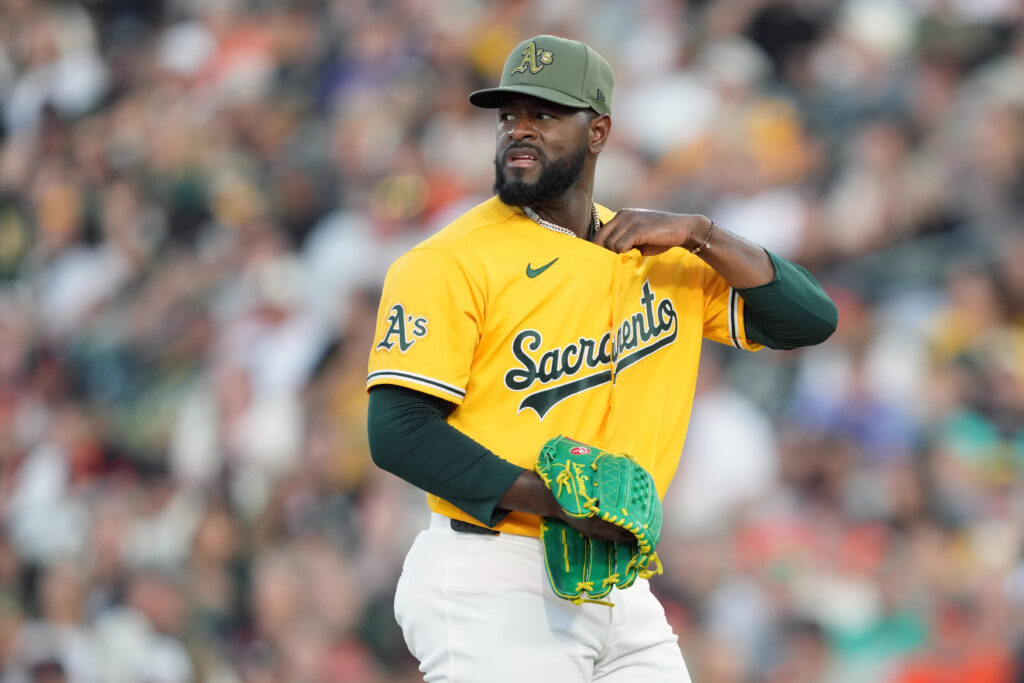
The Athletics' rotation took another hit this week when Luis Severino landed on the injured list with a shoulder strain, joining Aaron Civale on the sidelines. Civale's right shoulder tendonitis is less severe—he's already begun a throwing progression—but Severino's absence looms larger. Per MLB.com, the team isn't expecting a quick return from the veteran right-hander, creating a cascading problem for a pitching staff that was already operating without margin for error.
Oakland's 2026 rotation was built on thin margins. Severino's $15M salary anchored the staff in terms of both innings pitched and reliability; his departure for an undefined stretch transforms the backend from "manageable" to "vulnerable." Civale's injury timeline remains unclear despite the early throwing work—shoulder tendonitis in pitchers typically sidelines starters for 4-8 weeks depending on inflammation severity. The team will need to lean on mid-rotation depth that wasn't designed to carry this much volume.
The organizational structure around the rotation adds another layer of concern. General manager David Forst has been aggressive in roster moves—notably allowing Rule 5 pick Daniel Susac to depart—but those decisions were predicated on staying healthy. With two rotation pieces down simultaneously, the Athletics are now forced to rely on younger or less-proven arms sooner than planned. This isn't a minor displacement; it's a fundamental shift in pitching leverage.
From a betting lens, Oakland's team total and first-five-innings lines face compression. Severino's absence removes a consistent baseline for quality starts; without him, the team's expected runs scored floor drops measurably because pitching depth directly correlates with offensive run support in tight games. Unders on Athletics team totals carry legitimate appeal over the next 3-4 weeks. When starting pitchers are uncertain and bullpen usage climbs, scoring environments tighten. Additionally, first-five-innings overs against the Athletics should be approached with caution—inferior rotation depth means earlier bullpen deployments and higher variance in early-game scoring. The market will eventually calibrate, but teams facing Oakland during this window have a structural advantage in game planning.