MLB
Alonso Etches His Name in Baseball History With Dual-League RBI Crown
Pete Alonso became the first player in 106 years of official RBI record-keeping to lead both leagues, a feat that reshapes how we value consistency and durability in power-hitting.
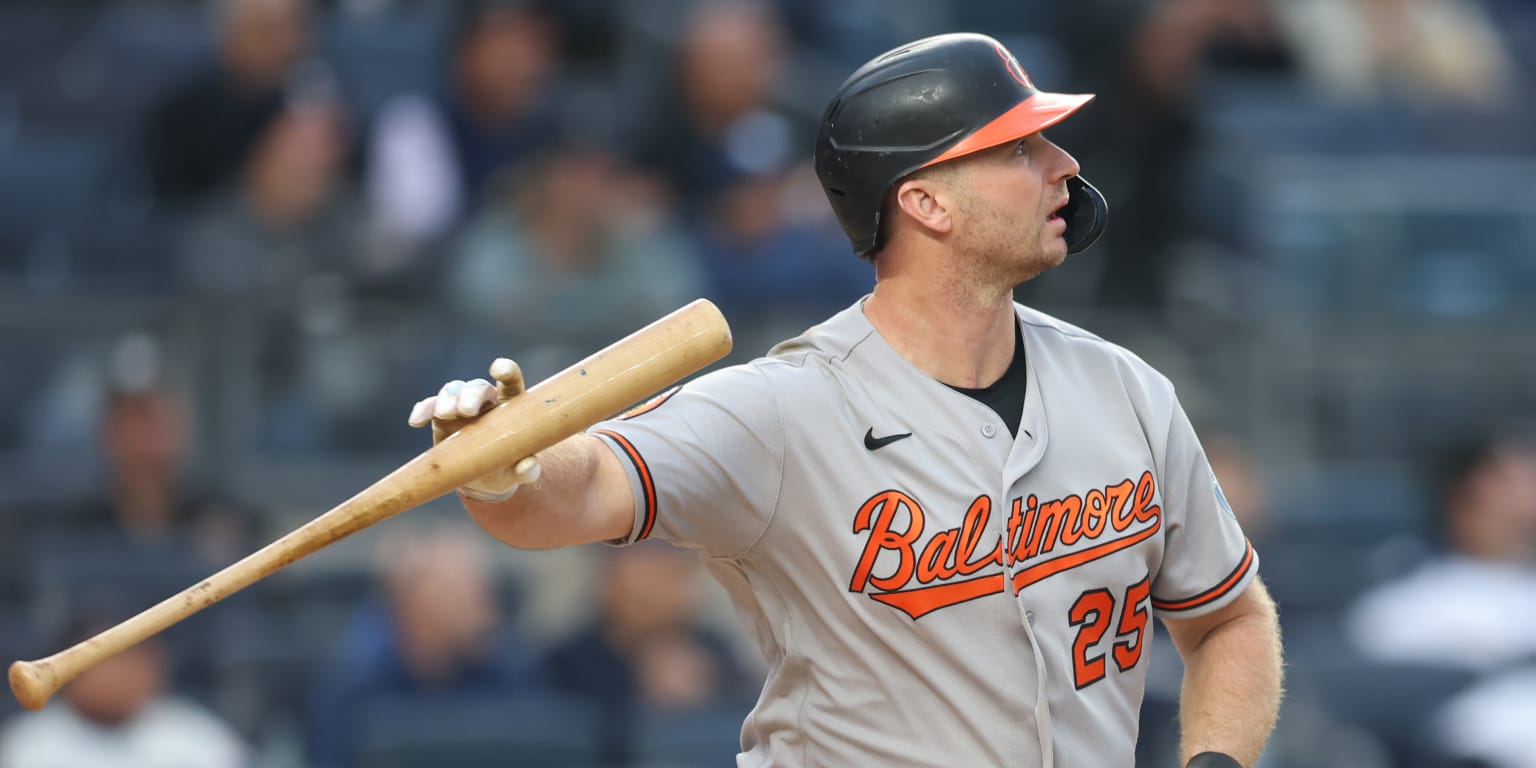
Pete Alonso has done something no major leaguer has accomplished in the RBIs-as-official-stat era: he won the RBI title in both the National League and American League in separate seasons. The 31-year-old Orioles slugger finished 2026 with 113 RBIs, seven clear of Houston's Yordan Alvarez and the only AL player to approach that mark. Four years earlier, in his final season with the Mets, Alonso led the National League with 131 RBIs. The gap between those two achievements—2022 to 2026—underscores not a flash of brilliance but a sustained ability to drive in runs at an elite level across different rosters, different pitch mixes, and different league compositions.
What makes this milestone genuinely rare is the structural barrier to reaching it. Most hitters who dominate RBI races do so early in their careers and either plateau, move to pitching-friendly parks, or land on teams that don't generate the baserunning opportunities that turn hits into RBIs. Alonso has played 161 of 162 games in three consecutive seasons—a durability statement that separates him from peers who accumulate accolades in spurts. This year he also won the AL home run crown with 43, finishing ahead of Alvarez and Tampa Bay's Junior Caminero at 42. He becomes only the sixth player ever to lead both leagues in home runs, joining an exclusive tier that includes Shohei Ohtani, Mark McGwire, and Fred McGriff.
The Orioles as a franchise finished 79-82 and missed the postseason for the second straight year, a context that matters for understanding Alonso's individual dominance. He was signed to a five-year, $155 million deal last December and immediately delivered elite production in a vacuum—a team that couldn't support his run creation with wins. His .885 OPS and .267 batting average reflect a hitter who remains dangerous despite playing on a losing club, which is itself a prop-relevant signal. When Alonso moves through next season, bettors should expect that if the Orioles' supporting cast improves (or if Alonso is traded to a contender mid-season), his touch rate and RBI pace could accelerate beyond his already-elite baseline.
For betting purposes, Alonso's dual-crown achievement is less about immediate line movement and more about establishing a floor for future expectations. His 113 RBIs came on a 79-win team; if Baltimore improves to 85+ wins next year, the same quality of contact will generate 120+ RBIs as a baseline projection. Books have historically underpriced season-long RBI totals for players on improving rosters because they anchor to the prior year's run environment rather than the player's true run-creation rate. Alonso's next season RBI line—likely in the 110-120 range depending on lineup composition—carries an over lean if the Orioles upgrade their offense or if he's traded at the deadline to a contender. The mechanism is simple: elite RBI hitters on bad teams suppress their volume totals; elite RBI hitters on good teams express their ceiling. Alonso just proved he can sustain RBI-title caliber production regardless of context.
MLB Intelligence — Baseball intelligence beyond the box score. Open MLB Intelligence →