MLB
Keller's Call-Up Fills a Pitching Gap, But Don't Overreact to the Roster Move
The Phillies add depth to their rotation on short notice—a pragmatic move that says more about injury management than playoff rotation construction.
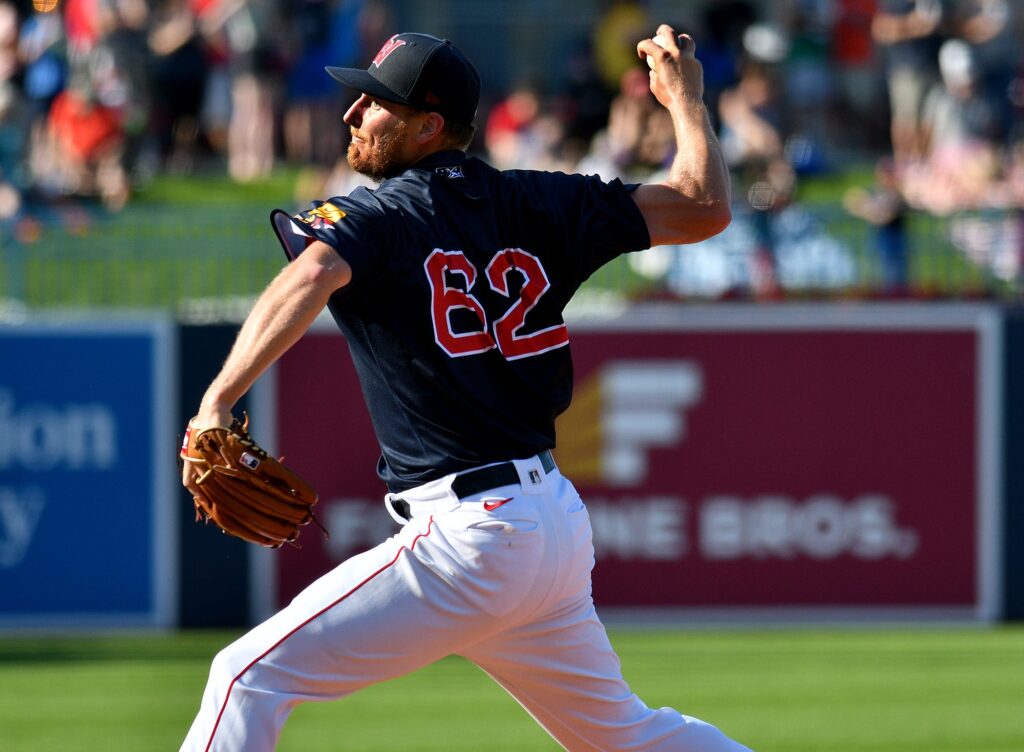
The Phillies will promote right-hander Brian Keller to the active roster ahead of Saturday's game, per Matt Gelb of The Athletic. Keller will function either as a starter or bulk reliever, a flexible role that signals Philadelphia's current pitching shortage. The move requires roster adjustments on both the active and 40-man rosters, typical procedural work for a depth addition mid-season.
Keller's path to this moment carries weight—the promotional angle is real and worth acknowledging. Call-ups late in July almost always signal either injury necessity or a creative platoon experiment. In Keller's case, the Phillies are signaling they need arms willing to take on workload on short notice. A bulk reliever role is not a career inflection; it's a rotation slot filler. If one of Philadelphia's top three starters goes down, Keller becomes a starter by necessity, not choice. If everyone stays healthy, he's a useful second-inning guy in blowouts or a spot starter against a bottom-tier offense.
From a roster-construction lens, this tells you the Phillies' confidence in their current depth is lower than advertised. They're not adding a high-velocity flamethrower or a prospect called up for developmental purposes. They're grabbing a 27-year-old organizational arm with minimal MLB track record. The fact that he's being added without a corresponding major move suggests nobody's being benched or optioned—this is pure depth reinforcement. If the Phillies were flush with rotation depth, Keller never gets the call.
For betting purposes, this move carries minimal direct prop impact. Keller's appearance in a game—whether as starter or reliever—is binary: he shows up or he doesn't. His strikeout rate, walk rate, and earned-run allowance will depend entirely on matchup and pitcher workload, neither of which can be reliably forecasted from a single call-up. The real betting signal here is team total movement. If Keller starts, oddsmakers will apply a modest discount to Phillies offensive totals, assuming a lower-quality opposing starter. But this discount won't persist if the team he faces fields a competent offense; the Phillies' hitting zone hasn't shrunk because a depth arm is on the roster. Short-term, if you see sharp money moving Phillies totals downward on the news of Keller's promotion, it's likely the market overweighting the narrative—treat that as a fade opportunity if the offense is healthy.
MLB Intelligence — Baseball intelligence beyond the box score. Open MLB Intelligence →