MLB
Washington's Bullpen Reshuffling Passes First Real Test Against Cincinnati
A three-day sweep over the Reds validates the Nationals' aggressive Trade Deadline moves, but single series don't prove sustainability.
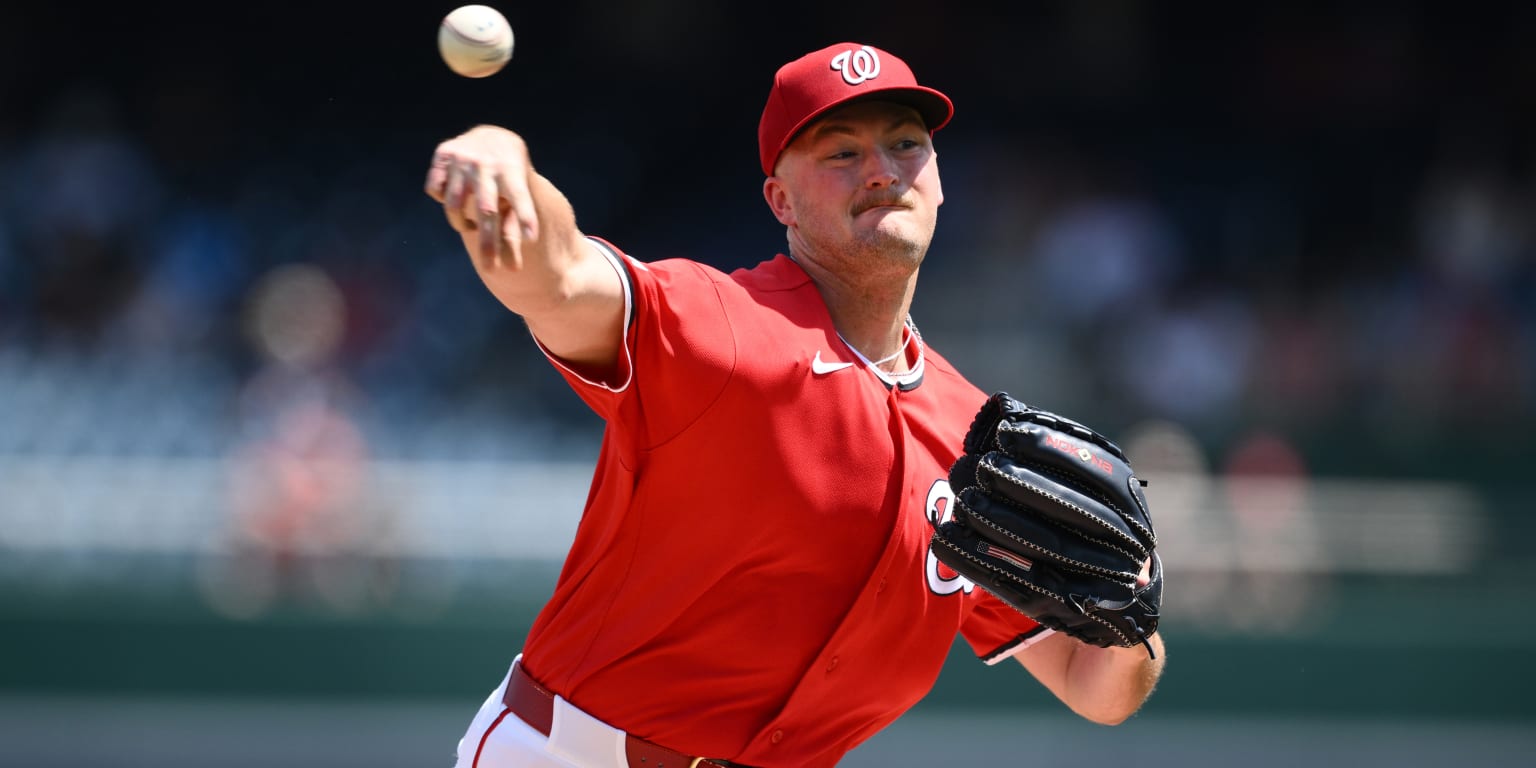
The Nationals completed their first series sweep since April 10-12 (more than four months ago) with a 7-1 bullpen game victory over Cincinnati on Sunday, showcasing the reconfigured relief corps that took shape following Monday's Trade Deadline. Washington cycled through four arms—Brad Lord, Will Dion, Trevor Williams, and Jake Bird—across 9 innings with minimal damage, combining for three strikeouts and one run allowed on five hits. The result arrived on the heels of a brutal 1-7 road trip through Atlanta and Philadelphia, making the sweep a tangible pivot point rather than noise.
The mechanics of Washington's deadline haul matter here. The Nationals shipped Foster Griffin to Cleveland, designated Zack Littell for assignment, and brought in three new relievers: Dion (Guardians), Bird (whose team origin isn't specified), and Cruz (also from Cleveland). Simultaneously, the organization optioned Carson Palmquist and Eddy Yean to Triple-A Rochester, signaling a conscious bet on veteran depth over prospect development for the remainder of the season. That calculation plays out in real time when you watch Lord work 2 2/3 innings on Sunday—his most significant workload since July 1, three days before he landed on the injured list. Lord struck out four, his first multi-strikeout performance since June 26. Dion, meanwhile, delivered three scoreless innings while tying a career high in frames, an encouraging sign for a left-handed option against righty-heavy lineups.
Trevor Williams' path is equally instructive. He returned from right elbow surgery on July 29 as a long reliever (a starting pitcher converted due to injury), and on Sunday pitched 2 1/3 scoreless innings with two strikeouts. The bullpen cohesion wasn't accidental—strong defense behind Williams (a double play turned by Nuñez, Abrams, and Chaparro) erased an eighth-inning threat, but the pitch quality mattered too. The three-game series saw Nationals relievers allow exactly one run across three separate games, spanning 9 2/3 innings: a baseline that suggests either legitimate competence or regression waiting to happen.
For prop bettors, the angle is efficiency-based rather than volume-dependent. Washington's relievers aren't striking out massive numbers of batters; they're minimizing hard contact and leveraging defense. Dion's 30-of-41 strikes (73% strike rate) and Lord's 36-of-51 (71%) point to command development under new management. The Reds lineup (mostly righthanded power) gave Washington the softest possible test—Cincinnati's splits against lefties are meaningfully worse than against righties. Watch how Dion performs against switch-heavy or lefty-heavy rosters before chasing bullpen strikeout props on the strength of a three-game sample. Similarly, Lord's workload ceiling matters: a relief pitcher returning from a month-long absence doesn't suddenly absorb innings at will. The 2 2/3 on Sunday was significant relative to his recent history, but it doesn't guarantee 3+ innings in high-leverage spots going forward.
The sweep itself is real. The timing is real. But the Nationals' bullpen still exists in a narrative stage where one successful series against a struggling Cincinnati team doesn't shift implied run expectancy over 50 games. If Dion maintains 3+ scoreless innings and Lord's strikeout rate stays in multi-K territory against diverse lineups, then team total unders start to carry legitimate edge. Right now, the evidence is narrowly focused. Wait for the Nationals to face left-heavy or switch-heavy offenses before overweighting bullpen stability into long-term prop models.
MLB Intelligence — Baseball intelligence beyond the box score. Open MLB Intelligence →