Phillies' Ninth-Inning Explosion Exposes Nationals Bullpen Volatility
By PropBetEdge Editorial Team ·
Philadelphia's eight-run rally from one strike away reveals a critical pattern in Washington's late-game control that will reverberate through the remainder of their series matchup.
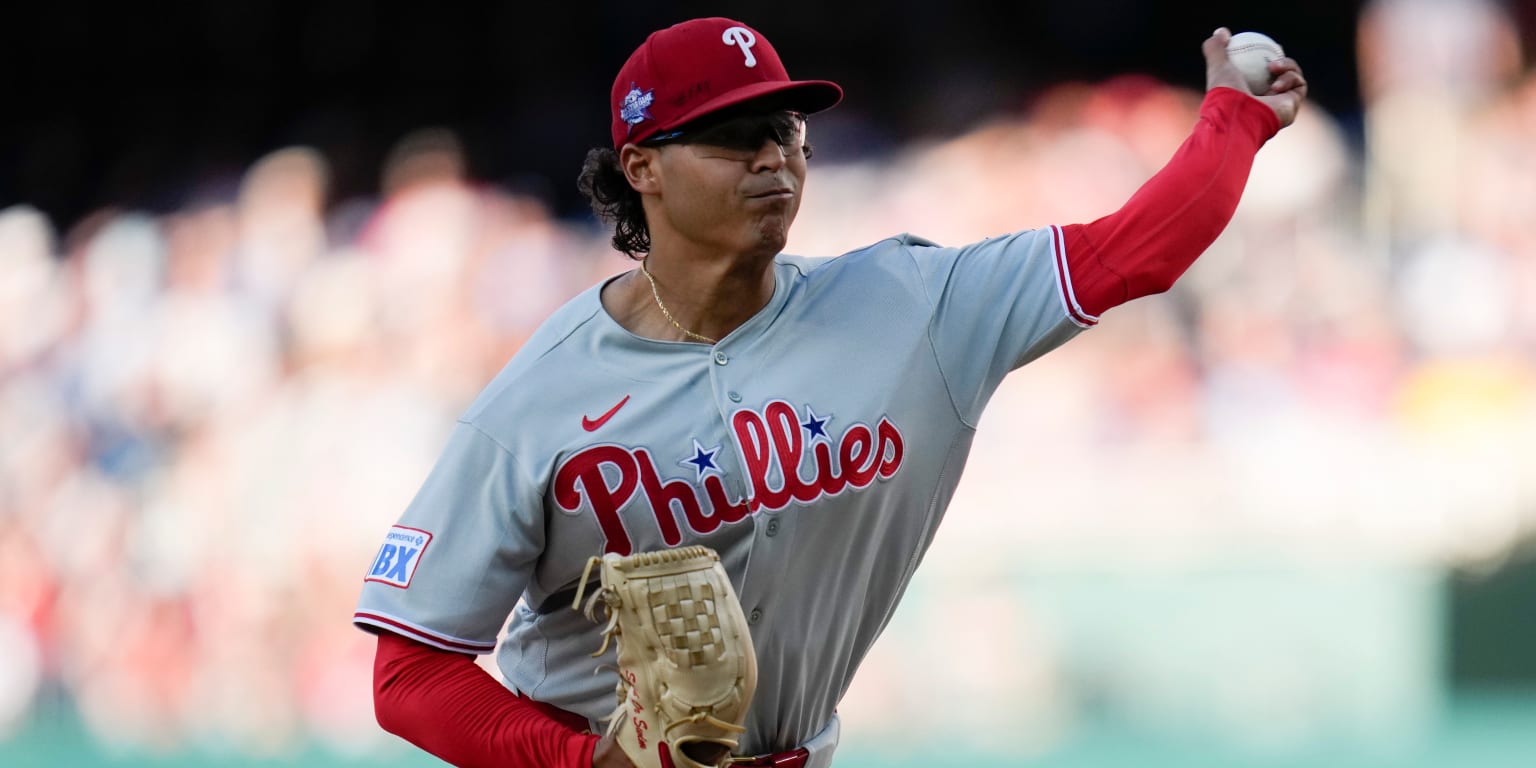
The Phillies erased a two-run deficit with the bases empty and one strike remaining, scoring eight runs on eight consecutive hits in the ninth inning Tuesday at Nationals Park to claim a 14-9 victory and even the series. The rally began with Trea Turner's single off Brad Lord, followed by Brandon Marsh's two-run homer and Bryson Stott's three-run shot two batters later. Edmundo Sosa, inserted into the lineup after Kyle Schwarber's late scratch due to lower back tightness, added a two-run double to cap the outburst.
What distinguishes this comeback from garden-variety late-inning theater is the structural breakdown it exposed. The Nationals held a 8-6 lead entering the ninth after Jorbit Vivas's three-run homer off Phillies reliever Orion Kerkering in the eighth had answered Philadelphia's earlier rally. That sequence—the Phillies scoring six runs to take the lead in the eighth, then surrendering a go-ahead three-run shot just one inning later—reveals a bullpen lacking both command and mental reset capacity. Brad Lord's inability to close out a two-run advantage with the pitcher's count (0-2 on Turner) is the operative failure. When a reliever cannot finish in that situation, consecutive extra-base hits become inevitable rather than improbable.
The evening also showcased Sosa's value as a late-game insertion. His 2-for-5 performance with a homer and five RBIs transforms what could have been a costly absence by Schwarber into an unexpected advantage—a reminder that bench depth separates playoff teams from also-rans. Meanwhile, Phillies starting pitcher Jesús Luzardo's 13 strikeouts across 6 2/3 innings without allowing an extra-base hit established command that the relief corps failed to sustain.
For prop bettors, the mechanistic takeaway tracks to the Nationals' bullpen strain and decision-making under leverage. Washington's relievers surrendered a 6-5 deficit, then gave up eight consecutive hits to a lineup that had looked vulnerable through most of the night. The Phillies entered the ninth with a sub-.500 expected win probability; the Nationals' inability to execute even low-leverage outs—Turner's single, Marsh's elevated fastball—suggests deeper issues than one bad night. Brad Lord specifically showed he cannot reliably pitch with the plate advantage, a threshold issue that repeats across future leverage situations.
The betting implication runs two directions. First, Nationals bullpen strikeout props carry depressed value going forward in this series; when a reliever's command deteriorates this sharply, elevated contact rates follow. Second, Phillies unders on future games in Washington face headwind. The Phillies demonstrated late-game resourcefulness (scoring six in one inning, then eight in the next), and the Nationals' inability to close games suggests higher-scoring finishes when Philadelphia gets leverage. The Nationals' run environment expanded meaningfully the moment their closer failed the most basic test.