MLB · transaction
Baltimore's Catching Depth Move Signals Rutschman Durability Concerns
The Orioles trade for Jake Rogers hours after he clears waivers, hinting at internal questions about their franchise catcher's availability down the stretch.
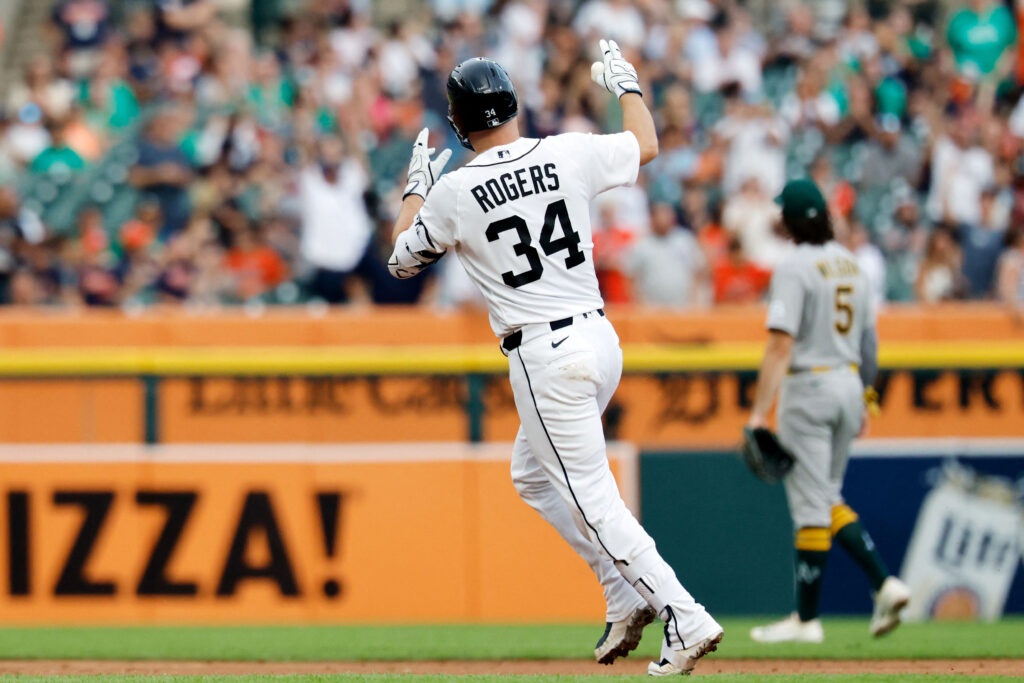
Baltimore acquired catcher Jake Rogers from Detroit on Wednesday, sending minor league right-hander Zane Barnhart to the Tigers in return. Rogers was designated for assignment by Detroit on Tuesday and cleared waivers, landing in Baltimore's system immediately. The move is modest in surface appearance—a depth acquisition that costs the Orioles a lottery-ticket arm—but the timing and context carry a sharper message about the state of the Orioles' catching situation.
Rutschman remains Baltimore's primary catcher and offensive anchor, but the organization's pivot to add another productive backstop within 48 hours of Rogers hitting the market suggests internal concern about either his health trajectory or workload sustainability. Rogers, a career .240 hitter with 18 home runs across 402 plate appearances, brings veteran experience and defensive stability. He's not an offensive solution; he's a contingency. For a team that spent significant draft capital developing Rutschman into a cornerstone bat, the decision to chase veteran depth so aggressively points to either a recent injury indicator or a calculation that Rutschman's availability will be managed tightly through the final two months.
The Tigers' quick willingness to move Rogers despite his experience underscores how crowded their catching depth chart had become—or how little organizational confidence remained in his fit. Either way, Baltimore is betting that having a reliable backup behind the plate matters more than preserving minor league depth for a team in contention.
For prop bettors, this move subtly reshapes Orioles game construction. If Rutschman's playing time gets rationed or if an undisclosed injury concern exists, his plate appearance volume over the final stretch could decline, depressing counting-stat props like RBI and runs totals. Rogers' presence doesn't elevate the catching position's offensive ceiling; it lowers the floor and reduces predictability around which catcher takes the field on any given night. Back-of-the-lineup catching appearances also suppress team offensive totals by roughly 0.3–0.5 runs per game depending on the backup's quality. Watch Rutschman's rest patterns over the next week; if the Orioles bench him more than usual, team total unders become a tactical play, especially in lower-leverage matchups where Rogers is more likely to start.
MLB Intelligence — Baseball intelligence beyond the box score. Open MLB Intelligence →