Baltimore Trades Depth Mid-Season: Franklin Activation Signals Seller's Pivot
By Ty Whitney ·
The Orioles unloaded three contributors in one day and promoted a prospect to the majors, a move that reshapes their roster construction and tilts the competitive math.
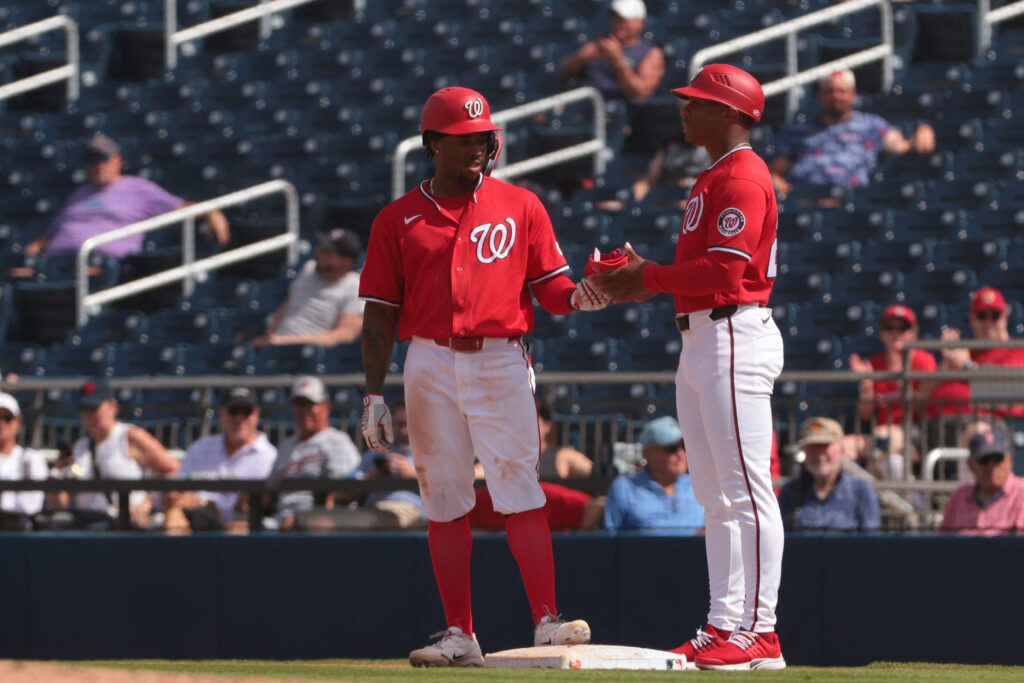
The Orioles made three trades in a single window, activating catcher Carlos Narváez and outfielder Christian Franklin—both acquired via trade—while simultaneously dealing away catcher Jake Rogers, outfielder Taylor Ward, and right-hander Tyler Wells to make roster space. Cade Povich, a left-handed arm, was recalled from Triple-A Norfolk to fill one of the three open spots. On the surface, the deal resembles a consolidation of talent: Baltimore is swapping established contributors for younger acquisitions, a calculus that only makes sense if the front office views the incoming players as higher-ceiling assets or if the Orioles have made a hard choice about their competitive window.
Franklin's same-day activation after arriving via trade is the tell. MLB teams rarely promote a prospect directly from the trade block into meaningful roster action unless they have an immediate need—depth loss, injury, or desperation. The timing suggests either Franklin addresses a gap the Orioles couldn't fill internally, or Baltimore is preparing for a longer-term rebuild than their current win-loss record allows. Ward and Rogers, both capable players with established track records, represent fungible major-league talent leaving the roster; their departures matter more for what they reveal about team belief than their statistical impact.
For betting purposes, this matters to bullpen load and lineup construction. If Baltimore is pivoting toward younger players, the Orioles' offensive profile softens—Franklin is unproven at the major-league level, and Narváez, while young, carries less established offensive track record than the players departing. Povich in the rotation adds a left-handed option but may reduce innings predictability if he's spotting starts rather than anchoring a regular rotation slot. The cumulative effect is a roster with more volatility and lower offensive consistency, especially in run-scoring scenarios where the Orioles relied on established bats.
Team totals and run-line exposure for Baltimore should tighten. When a team trades away three contributors in one day mid-season, the market typically reprices their offensive ceiling downward within 24-48 hours as books process the departures. The Orioles' team total for their next game may initially hold at yesterday's number, but a soft close or early adjustment downward is likely as sharp action identifies the depth loss. If you're looking at Orioles overs in the 4-4.5 range for their next matchup, that edge exists primarily on opening numbers before the line recalibrates. After the market catches up—likely within a day or two—those overs become fairly priced or worse.
The inverse play carries longer durability: if the incoming players (Narváez, Franklin) prove productive at the plate, the Orioles' offensive variance decreases, and team totals stabilize at a lower floor. That's a multi-game pattern to monitor, not a single-event angle. For now, treat today's adjustment as a temporary inefficiency that fades as the roster change sinks in.