Orioles Trade Defense For Upside, Clearing Tromp For Rogers
By Erik Schwartz ·
Baltimore's catcher swap signals a philosophical shift: the front office is betting Jake Rogers's offensive ceiling matters more than Chadwick Tromp's proven glove.
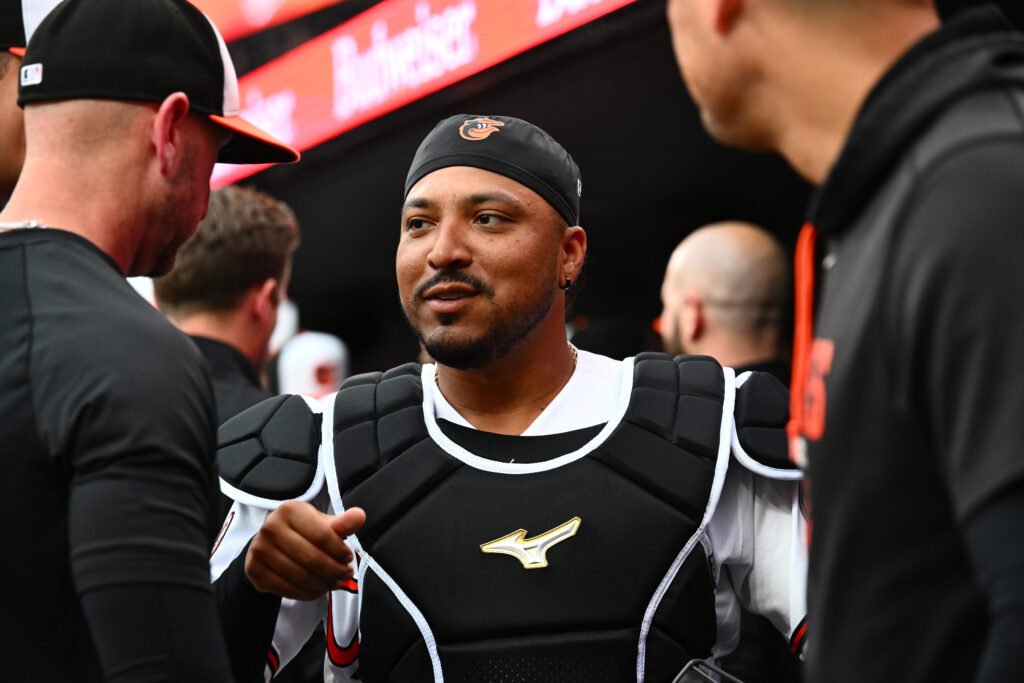
The Orioles designated Chadwick Tromp for assignment on Friday, clearing a 40-man roster spot for newly acquired catcher Jake Rogers. The move is straightforward on the surface—a veteran backup makes way for incoming talent—but it reveals a roster philosophy that's swung toward offensive upside in a division where runs are currency.
Tromp, 31, had settled into a familiar role across his tenures with Atlanta and Baltimore: a defensive specialist whose pitch-framing and game-calling skills masked offensive limitations. Over his career, he's hit .205 with a .603 OPS, numbers that confine him to spot duty behind stronger offensive catchers. His value lay entirely in the glove and the pitcher management that comes with veteran experience. For a team locked in a tight AL East race, that profile has traditionally held weight—the premium on not letting bad pitches get through or runners move freely.
Jake Rogers represents a different bet. The 28-year-old arrives with a career .242 average and .703 OPS, not dramatically different from Tromp's offensive floor, but Rogers enters this window with recent development work and a younger arm. The calculus here isn't subtle: Baltimore is willing to accept the defensive downgrade—fewer pitcher-management reps, a less polished framing technique—in exchange for the possibility that Rogers's bat plays more consistently. It's a gamble that offensive consistency matters more than defensive perfection in a 2026 environment where run prevention has become more specialized (bullpen depth, defensive shifts, advanced scouting). Tromp's experience framing borderline calls for a veteran rotation carries less weight if the bullpen is handling high-leverage situations anyway.
For betting purposes, this swap carries modest implications for Orioles totals and team run production. The catcher position isn't a high-leverage offensive engine in most lineups—it doesn't drive the same volume of plate appearances or RBI opportunities as corner infield or outfield slots. However, the philosophical signal matters. If Baltimore is accelerating its timeline toward offensive experimentation and away from defensive insurance, it suggests the front office believes this roster has ceiling concerns that can only be addressed by testing younger, higher-variance talent. That mentality often precedes broader depth-chart shuffles and increased playing time for prospects or acquisition prospects. Orioles team totals should face modest downward pressure over the next 10-14 days as Rogers acclimates and potentially costs the team efficiency in pitcher management. The effect is real but not dramatic—expect a 0.2 to 0.4 run reduction in projected team totals, depending on how much Rogers actually gets behind the plate versus splitting time.