MLB · transaction
Ohtani's Knee Regression Delays Mound Return; Dodgers Pitching Depth Gets Another Week
Three days after a setback in his bullpen session, Ohtani skipped Saturday's throwing work as Los Angeles extends its cautious timeline, leaving the ace sidelined for at least one more turn through the rotation.
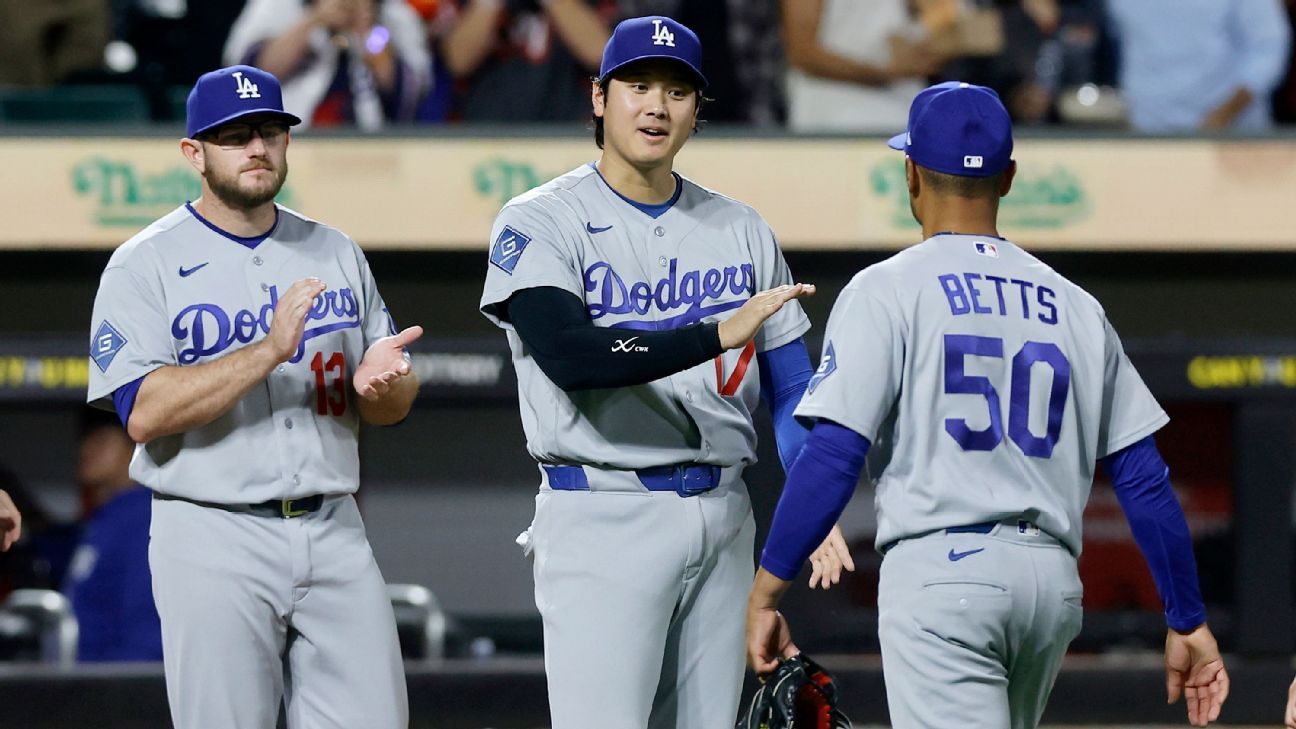
Shohei Ohtani did not throw Saturday, marking the second consecutive scheduled bullpen session he's missed as his left knee discomfort persists. Manager Dave Roberts confirmed the decision came after Ohtani experienced what he called "a little bit of regression" following Wednesday's bullpen work—the kind of step backward that forces a team already thin on upper-tier rotation arms to hold firm on the timeline rather than gamble on accelerating his return.
This is not new terrain for Ohtani. The 32-year-old underwent a procedure in September 2019 to address bipartite patella, a congenital condition in which the kneecap consists of two separate bones rather than a fused single structure. He's managed flare-ups since that surgery, including a June 11 incident that forced him to exit a game against Pittsburgh. The current strain emerged earlier this month, cost him his All-Star appearance, and has now sidelined him since July 3—22 days without a mound appearance. Roberts has been explicit: Ohtani will not pitch again until he reports full confidence in the knee, and the organization mirrors that threshold.
The mechanistic constraint matters here. Roberts noted explicitly that the knee pain surfaces only during pitching, not during hitting or running. That clinical specificity is both reassuring and limiting. Ohtani has remained in the lineup as the Dodgers' designated hitter—he started Saturday against the Mets—because the injury doesn't impede his offensive function. But it remains a hard veto on mound work. A regression after a controlled bullpen session is the opposite of the incremental confidence curve needed to clear a pitcher to enter games, where adrenaline, velocity, and violent deceleration amplify knee stress far beyond what a 50-pitch session produces.
From a pitching-market perspective, the Dodgers rotation depth is now functionally reduced to Freddie Freeman-era reliability rather than the multi-ace configuration they entered July with. Ohtani's absence through the trade deadline window—and potentially beyond, depending on how aggressively the team ramps his workload—forces Los Angeles to lean on mid-rotation innings or external acquisitions. That reshuffles bullpen usage and elevates leverage situations for relievers, which has direct implications for strikeout props and innings-per-appearance patterns. Dodgers starters logging shorter outings or earlier exits due to depth concerns will compress the available strikeout volume available on the mound.
The betting market will price this as "Ohtani uncertain" for the foreseeable future. What it may not have fully absorbed is the cascading effect on non-Ohtani Dodgers pitching props. When a rotation loses its ace, innings distribution tightens, bullpen usage intensifies, and the variance on reliever K props and team ERA stabilizers increases. The Dodgers' pitching over/under totals and reliever strikeout lines should trend downward as a structural consequence of Ohtani remaining unavailable. Roberts' language—"kick the can on that one," "not until he feels 100% confident"—reads as a manager protecting a valuable asset in a competitive window, which typically translates to a multi-week absence rather than a single-series layoff.
MLB Intelligence — Baseball intelligence beyond the box score. Open MLB Intelligence →