MLB · injury
Ohtani's IL Return Clears Path for Dodgers' October Push—But Timing Remains the Real Test
The Dodgers got their envisioned lineup on the field Wednesday, but Ohtani's comeback performance raises a harder question: how many plate appearances can he log before the postseason without fresh injury risk.
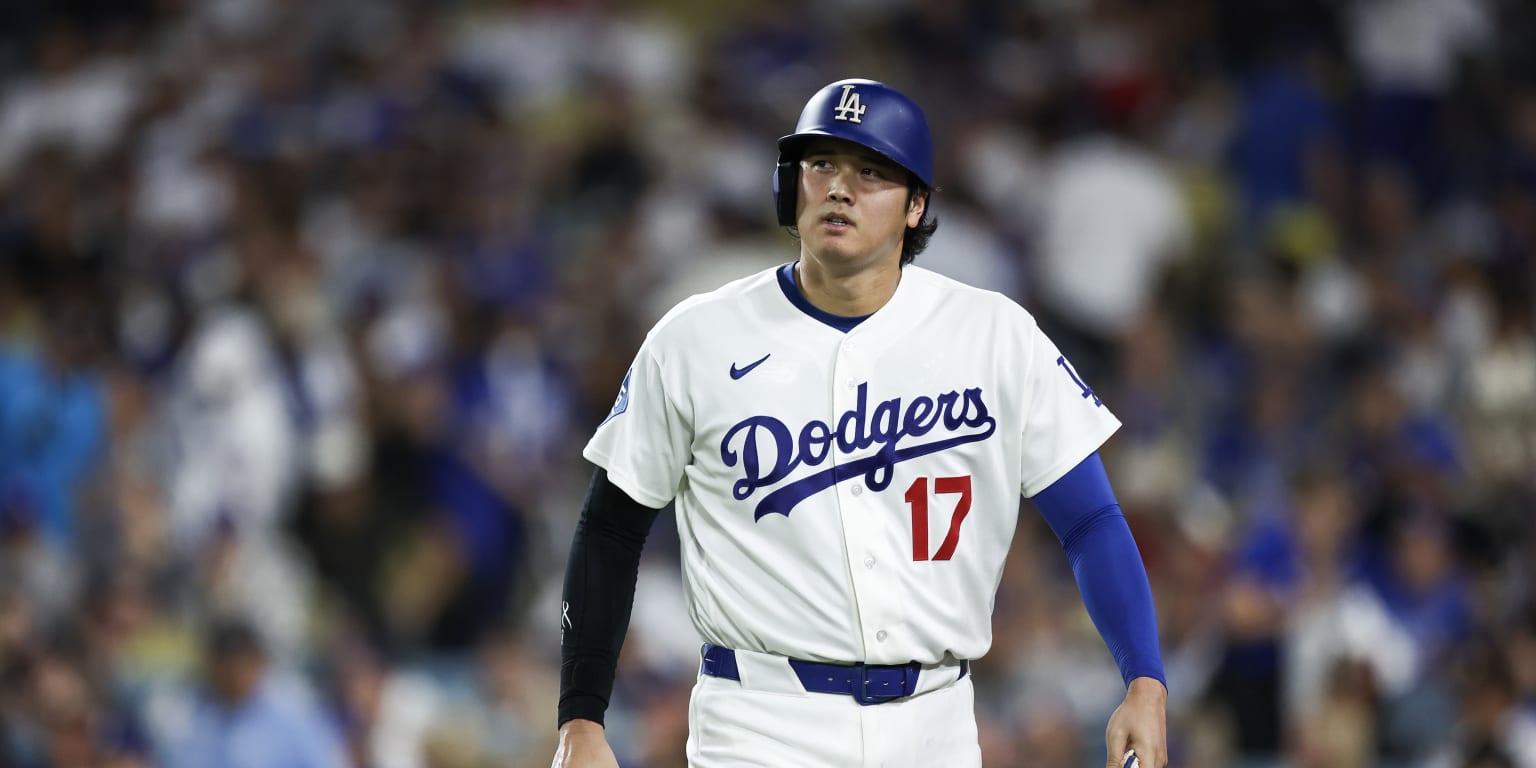
Shohei Ohtani returned from a 15-day injured list stint on Wednesday night, collecting a single in his first at-bat and a walk in his second trip to the plate in Los Angeles' 5-1 loss to San Diego. For the first time this season, the Dodgers fielded the exact nine-man lineup they built their roster around—a milestone that matters mostly because it signals the end of a long injury triage cycle. But the single and walk don't tell the story that will define his October viability. It's what came next that should concern bettors banking on a Dodgers postseason run.
Ohtani struck out swinging on a full count in the bottom of the fourth with the bases loaded and two outs—precisely the moment when the Dodgers needed a hit most. That strikeout is the data point worth isolating here. Yes, he swung with intent and moved without visible discomfort, per Dodgers president of baseball operations Andrew Friedman's pregame assessment. Yes, the biceps and knee that sidelined him in early September are no longer generating the wincing mechanics that plagued him before the IL placement. But one game is not a sample. One walk-off strikeout in a high-leverage spot after three weeks of no competitive at-bats is not evidence of restoration; it's a reminder of how long rhythm actually takes to rebuild after forced rest.
Friedman's comments point to the real calculus: "getting as many at-bats as we can, some rhythm and timing" before October. The team is optimizing for ramp-up speed in a compressed window. With the postseason starting in roughly nine days, the Dodgers have maybe four or five games to get Ohtani 15-20 high-quality at-bats before elimination baseball begins. That's not a lot of volume to erase the rust that a 15-day absence creates, especially against playoff-caliber arms. Early September's compromised swing path may be gone, but the timing that separated Ohtani's MVP-tier production from his baseline production is not instantly restored. Friedman knows this. The pregame message—focus on health first, rhythm second—is a concession that the latter won't be perfect.
For the betting side, this creates a specific mechanical edge: Ohtani's strikeout prop is underpriced for his next 3-5 games. The market is pricing him as a returning star who singled in his first AB; the edge is pricing him as a player who will see elevated fastballs from relievers because his timing is still catching up. In high-leverage spots—bases loaded, two outs, full-count situations—pitchers know he's vulnerable to elevated fastballs when he's behind in the count. His K% in his first game back (two strikeouts in four at-bats, 50% rate) will look like an outlier once he collects more volume, but it won't reset overnight. Strikeout overs on Ohtani hold value through at least the next four games as he hunts rhythm; that edge fades the moment he logs 15+ consecutive at-bats without the rust showing.
The Dodgers got their dream lineup on the field Wednesday. What they didn't get was the version of Ohtani who makes that lineup actually function at October intensity. That's the real story to bet against, not the feel-good single in the first inning.