MLB
Detroit's Strikeout-Free Shutout Exposes a Vulnerability in Contact-Heavy Pitching Strategy
Keider Montero's no-strikeout shutout against Cleveland reveals why elite contact pitchers can dominate without velocity—and what it means for Cleveland's plate discipline edge.
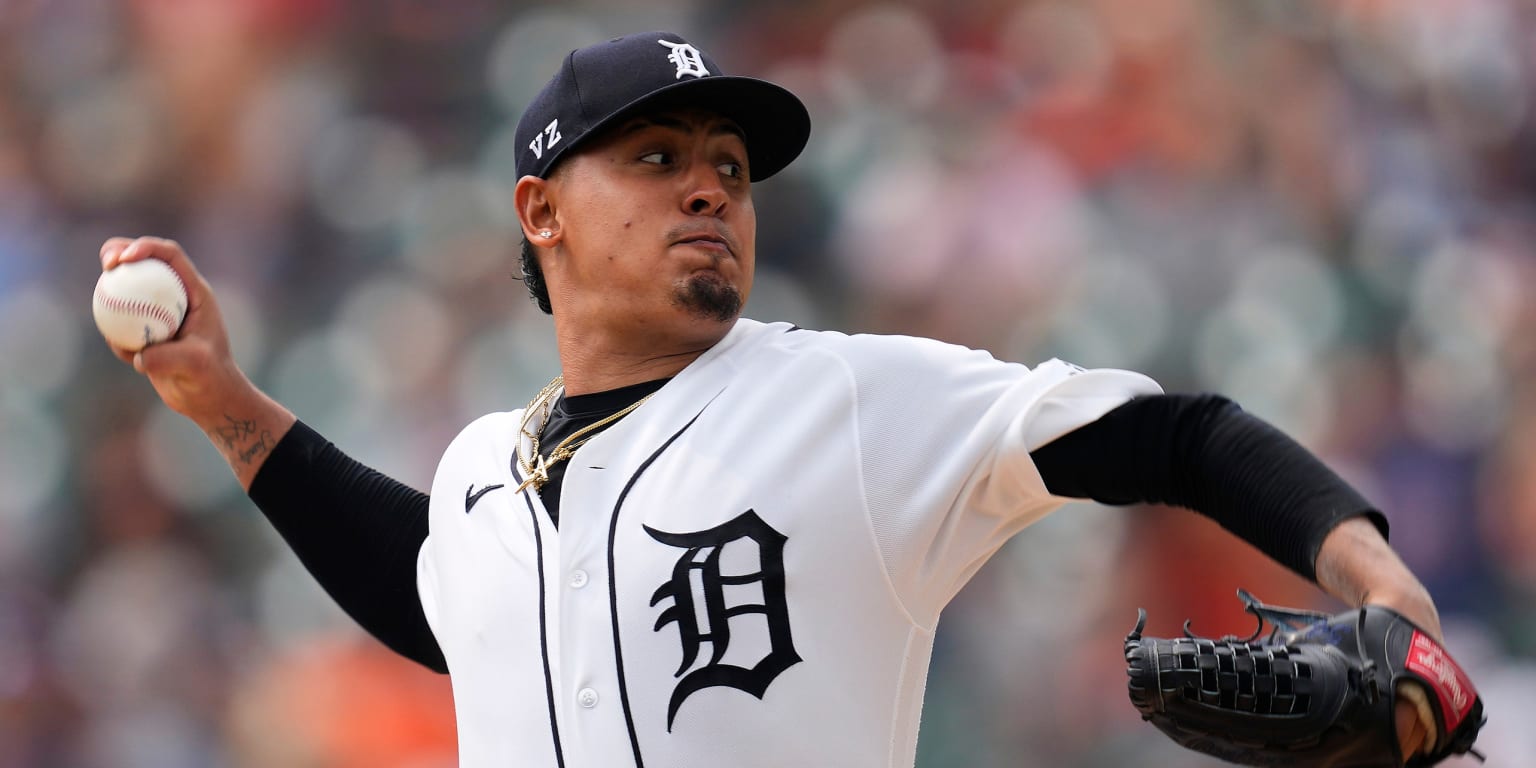
Keider Montero accomplished something rare Thursday: he blanked the Guardians over 6⅓ innings without recording a single strikeout, a feat last achieved by Rick Porcello in 2014 when he shut out Oakland. Detroit's 3-0 victory gave the Tigers a series win and, at least temporarily, the final American League Wild Card spot. What looked like a statistical oddity—shutout pitching without strikeouts—actually exposes a specific structural vulnerability in how contact-heavy offensive teams like Cleveland operate.
Montero induced just two swings-and-misses across 37 total swings from Guardians hitters, relying instead on command and inducing ground balls. He allowed three hits—two singles from Chase DeLauter and a walk to José Ramírez—while recording nine groundouts. The Guardians' pitching staff has built a reputation around hitters who put the ball in play and rarely chase. Against a pitcher who lives on the edges and generates weak contact through movement and location rather than raw velocity, that plate discipline becomes a liability instead of an asset. When you don't strike out, you also don't draw walks at elevated rates; Cleveland struck out and walked once combined. A ground-ball pitcher with command doesn't fear contact-oriented hitters—he exploits them.
Detroit's defense made Montero's approach work. Javier Báez, starting in left field for the first time in his career, Max Clark in center, and the corner outfield positioned themselves for the flyball-to-groundball mix Montero would generate. Five flyouts and two lineouts kept the ball from finding grass. Eduardo Valencia's solo shot in the fourth off a hanging curveball from Guardians starter Parker Messick provided the only real breathing room Detroit needed; the Tigers' other two runs came from a Ben Malgeri HBP sequence and Dillon Dingler's groundout in the third.
For bettors tracking pitcher-matchup leverage, this game illuminates an underpriced angle: ground-ball specialists with above-average command consistently outperform their strikeout rates suggest against disciplined, contact-first lineups. Cleveland's reputation as a low-strikeout offense (they rank among the league leaders in contact rate) is partially deserved—but it's also a defensive tell. When they face hurlers like Montero who miss bats via location and movement rather than velocity, the contact advantage vanishes. The Guardians' next matchup against soft-tossing, high-command left-handers warrants sizing down strikeout props; their discipline doesn't help when swings come on pitches in the zone that simply don't have put-away stuff.
The broader takeaway: team strikeout totals against ground-ball-heavy pitching staffs are frequently over-bet relative to how contact-driven lineups actually perform in those spots. Cleveland will strike out less than typical, but Montero proved volume strikeouts aren't the only pressure point. Induced weak contact and defensive positioning matter equally—sometimes more. That's a persistent edge, not a one-game fluke.
MLB Intelligence — Baseball intelligence beyond the box score. Open MLB Intelligence →